According to Just Style, the Asian Development Bank (ADB) has approved a $50 million loan to support MSL’s expansion of domestic polyester chips production in Bangladesh.
Capacity Expansion and Import Substitution
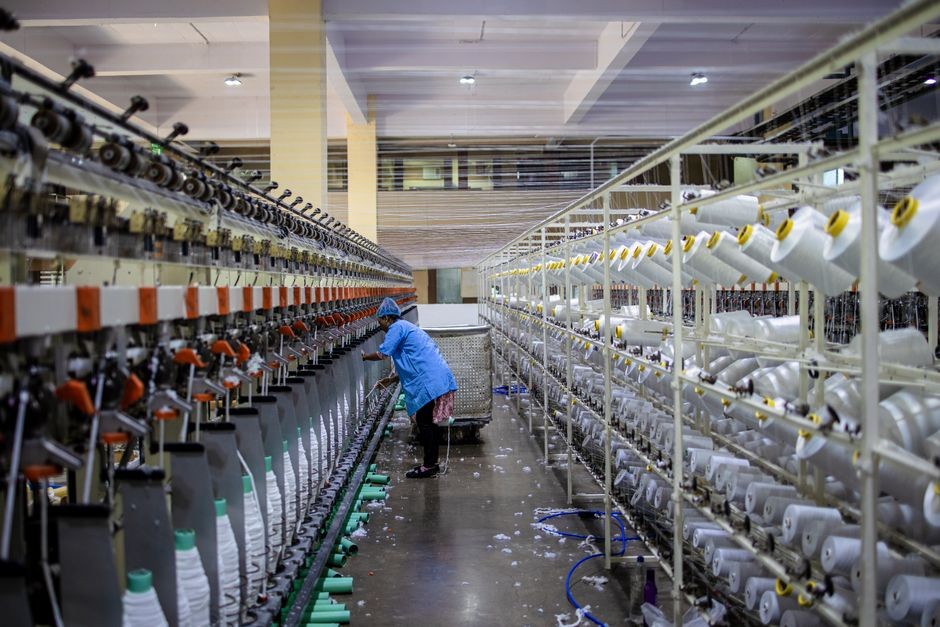
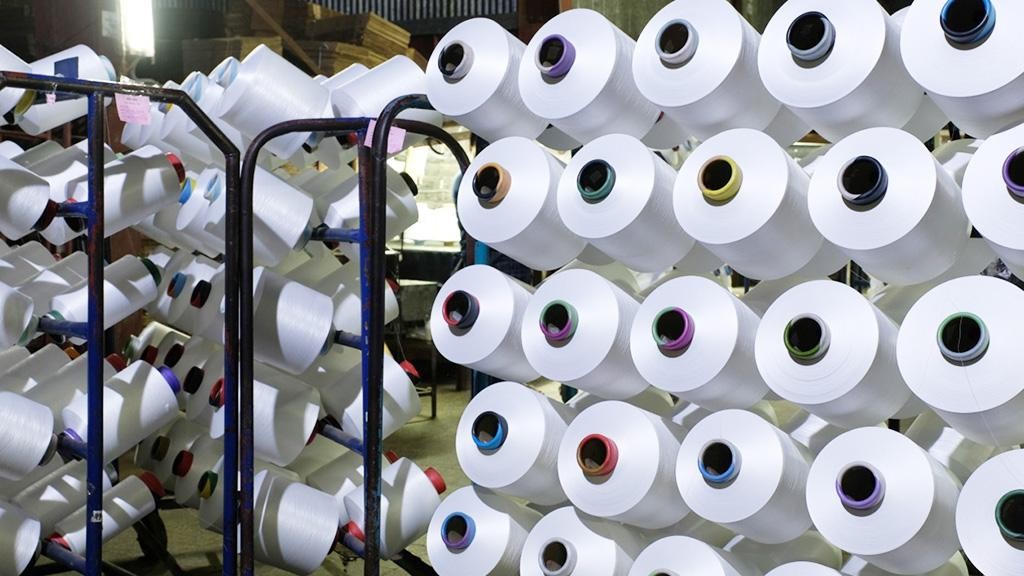
The financing will scale MSL’s daily polyester chips production capacity from 107 tonnes to 407 tonnes, directly addressing Bangladesh’s heavy reliance on imported synthetic textile inputs. This increase is expected to strengthen the national textile value chain by expanding domestic supply, shortening lead times for manufacturers, and improving overall efficiency across the ready-made garment sector.
The project also includes refinancing of short-term local working capital loans, enabling MSL to stabilize its financial structure while scaling operations. The expanded facility will produce high intrinsic viscosity polyester chips — a higher-value input used in premium textile and apparel products — thereby supporting 产业升级 toward more sophisticated manufacturing capabilities.
Environmental and Social Benefits
The upgraded plant will install energy-efficient machinery projected to save approximately 4,840 megawatt-hours of electricity annually and cut carbon dioxide equivalent emissions by about 2,222 tons per year. In parallel, MSL aims to achieve Leadership in Energy and Environmental Design (LEED) Platinum certification for its building and factory infrastructure.
The initiative is also expected to generate around 100 new jobs, with inclusive recruitment practices designed to promote greater participation of women in the workforce. According to ADB country director for Bangladesh Qingfeng Zhang, “ADB’s long-term financing will help MSL expand efficient domestic production, deepen backward linkages, strengthen supply chains, and support higher-value textile manufacturing.”
Economic and Strategic Impact
Beyond production metrics, the project supports broader national development goals: it contributes to the development of the Mirsarai Economic Zone, advances Bangladesh’s efforts to attract foreign investment, and enhances long-term economic competitiveness. Abu Sufian Chowdhury, managing director of MSL, stated: “By investing in advanced energy-efficient technology, we are improving our competitiveness while supporting a more sustainable textile industry. We believe this project will create long-term value for our customers, the manufacturing sector, and the broader economy.”
The project aligns with Bangladesh’s push for supply chain resilience and import substitution in critical textile inputs — a strategic priority given the volatility of global synthetic fiber markets and shipping costs. It also reinforces regional industrial upgrading within South Asia’s export-oriented manufacturing ecosystem.
Source: Just Style
Compiled from international media by the SCI.AI editorial team.