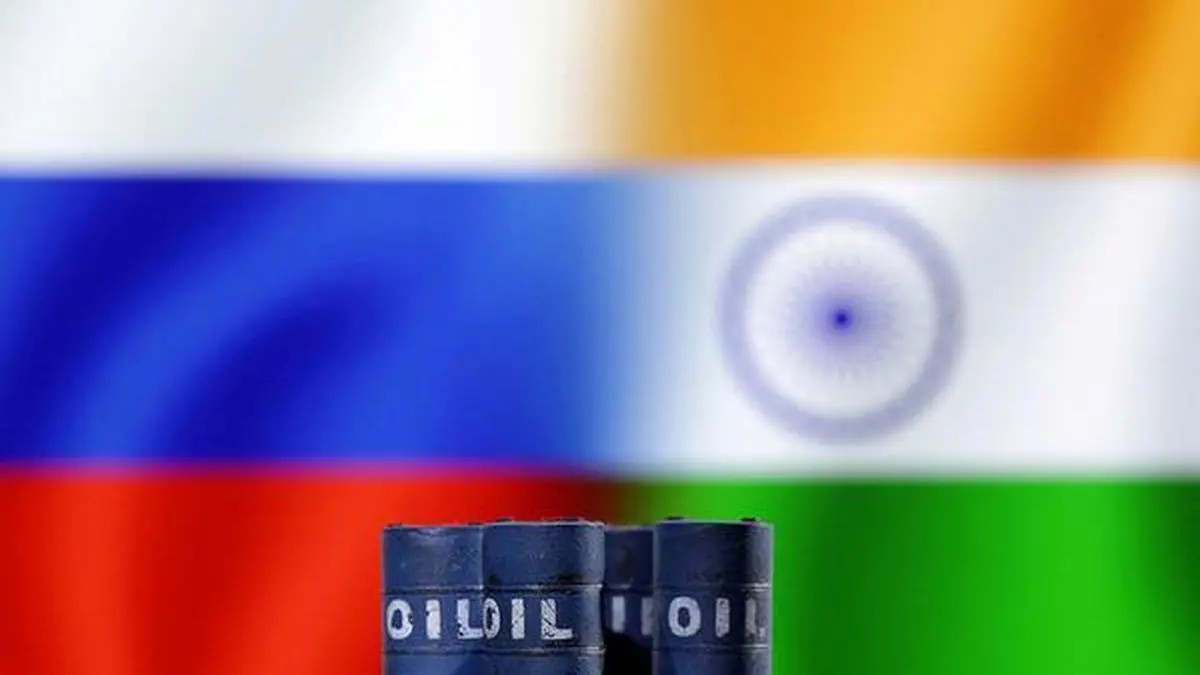
According to thehindubusinessline.com, India is maintaining its policy of sourcing energy from Russia and has stated it will not let the prospect of higher U.S. tariffs dictate its energy procurement decisions.
Defiance amid legislative escalation
The U.S. House of Representatives passed the Lindsey O. Graham Sanctioning Russia and Iran Act on Wednesday, clearing the bill for President Donald Trump’s signature. Once enacted, the law would authorize tariffs of up to 100% on major importers of Russian energy—including India. The Ministry of External Affairs (MEA) responded Thursday by affirming that India’s energy procurement and trade responses will be guided solely by national interests.
The MEA warned that targeting India through this legislation could harm bilateral ties and destabilize global energy markets. It emphasized that the issue has been raised “at high levels” in recent months with various U.S. interlocutors and that India has clearly articulated the implications—not only for the bilateral relationship but also for the international energy market.
In FY26, India imported $40.8 billion worth of crude oil from Russia, representing nearly one-third of its total crude imports by value, according to industry data cited in the report.
Energy security as non-negotiable priority
India reiterated its commitment to ensuring energy security for its 1.4 billion people. The MEA stated it will continue pursuing diversified sourcing aligned with evolving market dynamics. The government also pledged to work closely with Indian trade and industry bodies to manage the consequences of the new U.S. legislation.
Ajay Srivastava of the trade research body GTRI criticized the Act for transforming sanctions into a trade weapon against India under what he described as a “deeply unequal” bilateral trade agreement. He stressed:
“India should not trade away its energy security for temporary tariff relief.” — Ajay Srivastava, GTRI
The U.S. move has drawn pushback beyond India: Kremlin spokesperson Dmitry Peskov said additional sanctions would complicate efforts toward a peace settlement in Ukraine, while Beijing rejected what it called U.S. “long-arm jurisdiction.”
Timing and diplomatic context
The MEA’s statement was issued on Thursday, following the House vote on Wednesday. The article itself was published on September 17, 2026. The report notes that India’s position reflects a calibrated balancing act—upholding strategic autonomy while navigating intensifying geopolitical pressure over its energy trade with Russia.
The MEA underscored India’s determination to protect its trade and economic interests, framing energy procurement not as a concession but as a sovereign necessity grounded in scale, stability, and security for a nation of 1.4 billion people.
Source: thehindubusinessline.com
Compiled from international media by the SCI.AI editorial team.