Skip to content

ESG & Regulation · Green Supply Chain

Analysis

Thailand raises 2026 GDP growth forecast to 2.5%

Thailand’s 2026 GDP growth forecast has been raised to 2.5% from 2%, according to the University of the Thai Chamber of Commerce (UTCC). The revision reflects stronger exports and AI-linked investment, underpinned by projected 32.5 million foreign tourist arrivals in 2026. The UTCC expects a K-shaped recovery—favoring high-tech industries and large firms—while SMEs and traditional sectors continue contracting. The forecast hinges on specific assumptions, including resolution of Middle East conflicts by October 2025 and no conclusion to the U.S. Section 301 probe this year. Thailand remains Southeast Asia’s third-largest economy after Indonesia and Singapore.

Original source: Source information pending

Thailand raises 2026 GDP growth forecast to 2.5%

According to e.vnexpress.net, Thailand’s 2026 economic growth forecast has been raised to 2.5%, up from an earlier projection of 2%.

Economic Recovery Driven by AI Investment and Tourism

The Center for Economic and Business Forecasting at the University of the Thai Chamber of Commerce (UTCC) attributes the upward revision to stronger exports and investment tied to artificial intelligence infrastructure. The forecast assumes continued capital inflows from cloud and data center providers, alongside a rebound in international tourism, with 32.5 million foreign tourist arrivals expected in 2026. The UTCC also conditions its outlook on two geopolitical assumptions: the settlement of Middle East conflicts by October 2025, and the U.S. Section 301 trade probe not reaching a conclusion this year.

K-Shaped Recovery Pattern Emerges

The UTCC anticipates Thailand’s recovery will follow a K-shaped model, where growth is concentrated in high-tech industries and large enterprises. In contrast, small and medium-sized enterprises, households, and traditional sectors are expected to continue contracting. This divergence reflects uneven access to digital infrastructure and global market integration. A photograph from June 3, 2025, shows vegetable sellers managing customers at Khlong Toey wet market in Bangkok — illustrating the persistence of informal, low-margin economic activity amid broader technological shifts.

Regional Context and Institutional Authority

In Southeast Asia, Thailand ranked as the region’s 3rd-largest economy by GDP last year, behind Indonesia and Singapore, according to the International Monetary Fund. Thanavath Phonvichai, President of the UTCC, emphasized that the 2.5% GDP growth forecast rests on specific, measurable assumptions—not general optimism. He stated: “The 2.5% GDP growth forecast is based on several assumptions: ongoing investment by cloud and data center providers, 32.5 million foreign tourist arrivals in 2026, the settlement of Middle East conflicts by October this year, and the U.S. Section 301 trade probe not reaching a conclusion this year.”

Source: e.vnexpress.net

Compiled from international media by the SCI.AI editorial team.
Ask SCI.AI Finished reading? Continue with SCI.AI. Explore the related policy, route, company and historical context. Continue asking
Munchkin appoints Kunal Thakkar as first chief supply chain officer
ESG & Regulation

Munchkin appoints Kunal Thakkar as first chief supply chain officer

Munchkin appointed Kunal Thakkar as its first chief supply chain officer in September 2026. Thakkar, a 20-year industry veteran, joined last month after serving as CEO of Seair Global and holding leadership roles at Thrasio and Walmart. He now oversees global operations, supply chain, compliance, sourcing, demand planning, order management, and program management at Munchkin, reporting to Steven Dunn, CEO of parent company Why Brands. The role reflects Munchkin’s strategic emphasis on integrated, compliant, and scalable supply chain infrastructure across the US, EU, and Southeast Asia.

U.S. Container Imports Rise 3.8% to 2.6M TEUs in August
ESG & Regulation

U.S. Container Imports Rise 3.8% to 2.6M TEUs in August

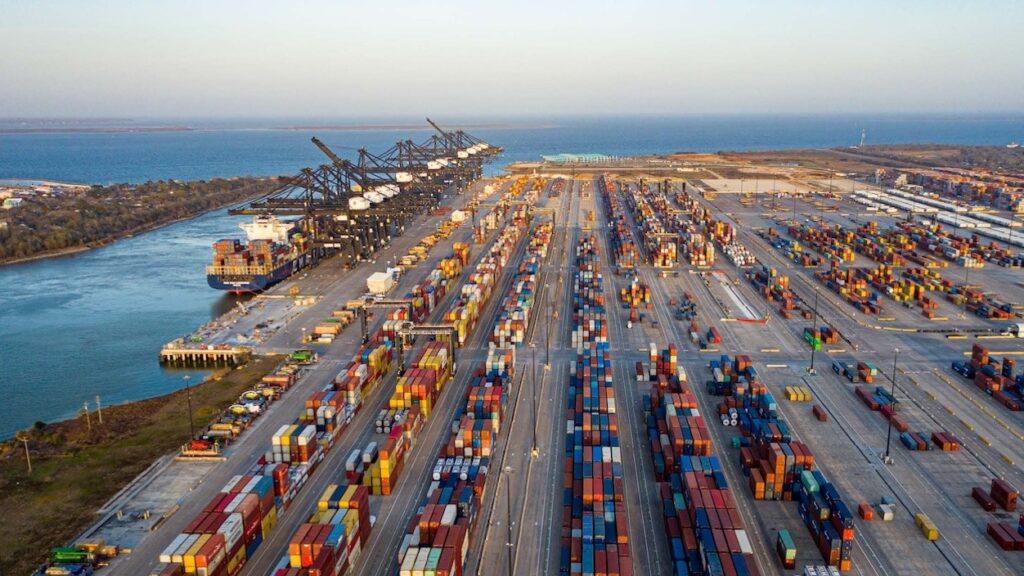
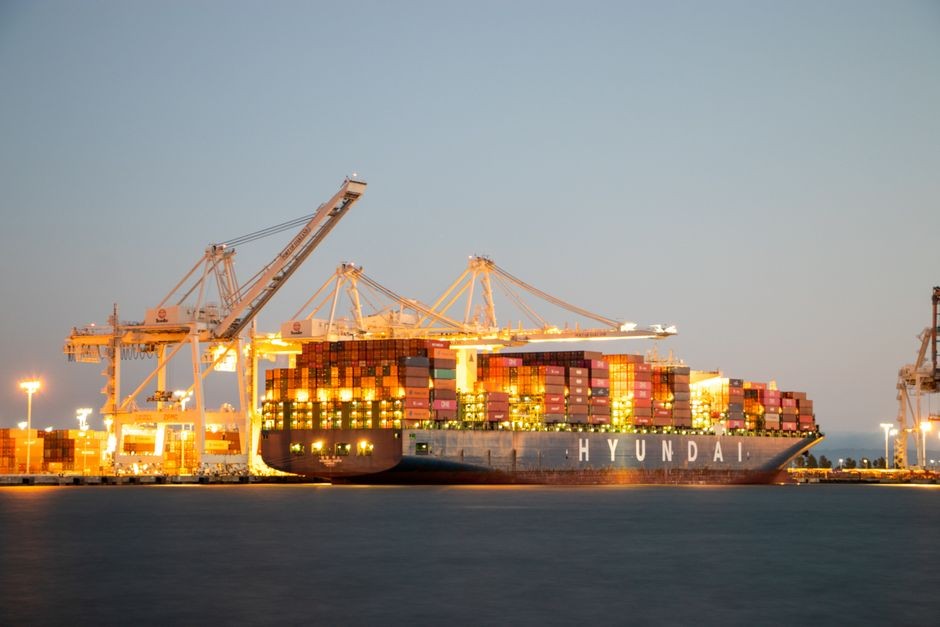
U.S. containerized imports rose 3.8% to 2.60 million TEUs in August — the third-highest monthly volume on record — driven by gains at East, Gulf, and West Coast ports and broad-based growth across sourcing countries. August volume hit 2,603,709 TEUs, 21.5% above August 2019 and 3.3% above August 2025. Port delays rose across all 10 major gateways, with Houston’s average delay climbing 1.5 days to 5.8 days. Gulf Coast ports handled 252,675 TEUs (+4.2% MoM), while imports from Vietnam, Thailand, and Indonesia surged 5.2%, 10.4%, and 19.5% respectively. China’s share slipped to 34% amid tariff expansions and Panama Canal capacity tightening.

CATL, BME ink $39M Egypt battery plant with 40% local content
ESG & Regulation

CATL, BME ink $39M Egypt battery plant with 40% local content

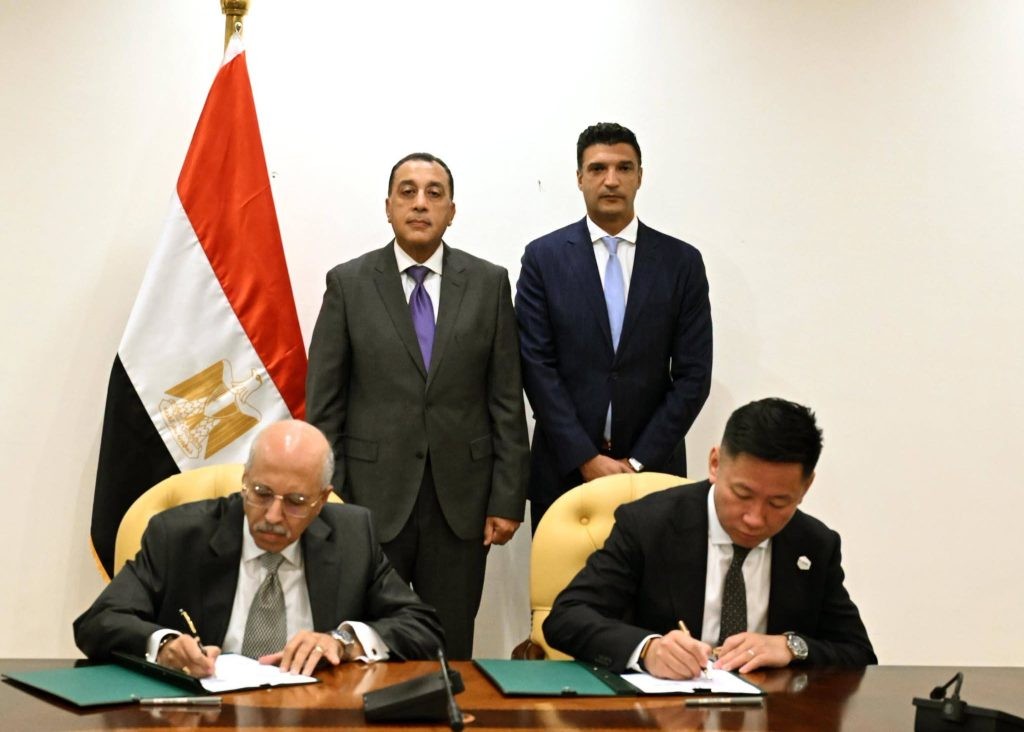
Egypt’s BME and China’s CATL signed a $39 million battery plant deal on September 13, targeting 40% local content and scaling from 1 GWh to 5 GWh annual capacity. The project supports Egypt’s 45% renewable energy target by 2028 and aligns with China-Egypt industrial cooperation launched during President Xi Jinping’s September 2026 state visit. CATL, which held 39.2% of the global EV battery market in 2025, will provide technology and technical assistance. The initiative responds to Africa’s growing dependence on Chinese clean-energy imports — 98% of South Africa’s solar and 95% of its battery imports came from China in 2025.

Welcome Back!

Login to your account below

Create New Account!

Fill the forms below to register

Retrieve your password

Please enter your username or email address to reset your password.

Scan to share via WeChat

Open WeChat and scan the QR code to share

QR Code

Add New Playlist