
Skip to content

Supplier Management

Analysis

Hyundai raises North America local sourcing to 80% by 2030

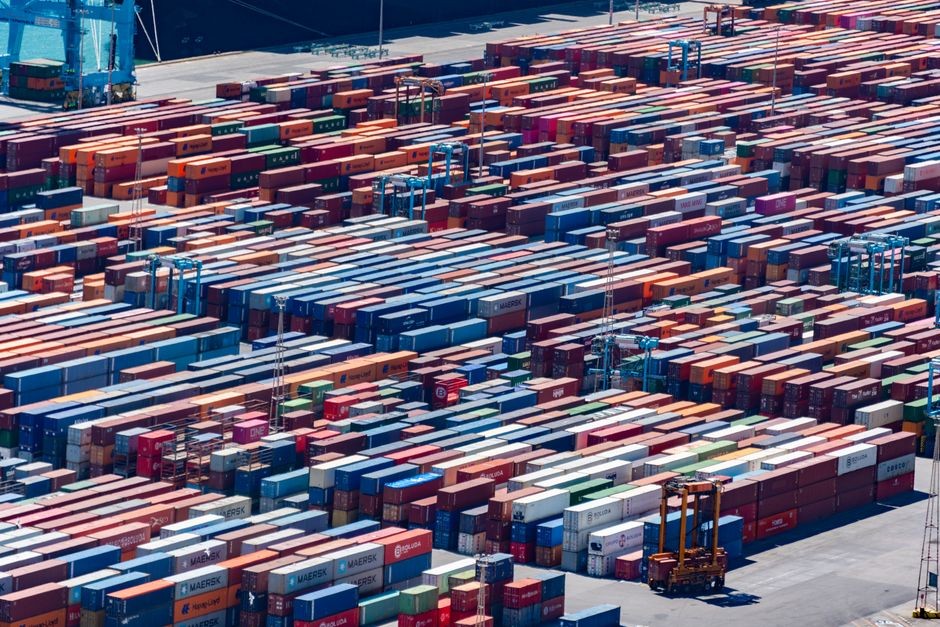
Hyundai Motor Co. plans to raise local parts sourcing in North America from 60% to 80% by 2030, according to President and CEO José Muñoz. The move, announced at the 2026 CEO Investor Day, aims to improve supply stability, cut logistics costs, and reduce regulatory exposure. Hyundai also targets adding 1.27 million units to global manufacturing capacity by 2030. The company will expand local supplier networks and optimize plant utilization to achieve best-in-class cost structures. A photo documenting this effort was taken on Sept. 5, 2025, in Joliet, Illinois.

Original source: Source information pending

Hyundai raises North America local sourcing to 80% by 2030

According to Supply Chain Dive, Hyundai Motor Co. plans to source 80% of parts for vehicles manufactured in North America from local suppliers by 2030, up from the current 60%, as announced by President and CEO José Muñoz during the company’s 2026 CEO Investor Day.

Strategic localization drive

The initiative forms part of Hyundai’s broader effort to stabilize supply chains and reduce costs amid expanding global production. The company aims to add 1.27 million units to its global manufacturing capacity by 2030, a target disclosed in its 2026 CEO Investor Day presentation. This expansion coincides with intensified localization efforts across key markets, including North America, where supply chain resilience is prioritized over centralized procurement models.

The strategy includes identifying and scaling local supplier networks to secure supply stability, reduce logistics costs, and mitigate regulatory exposure. Hyundai also intends to improve utilization at new plants and optimize manufacturing specifications — actions designed to lower fixed costs and bring major plant cost structures to the company’s best historical levels.

According to José Muñoz,

“We’ll identify and expand local supplier networks, which will secure supply stability, reduce logistics costs and mitigate regulatory exposure.” — José Muñoz, President and CEO of Hyundai Motor Co.

Timeline and regional execution

The 2030 deadline anchors Hyundai’s multi-year localization roadmap, with progress measured against the baseline of 60% local sourcing currently achieved in North America. The company confirmed the goal was formalized during its 2026 CEO Investor Day, held last month. The dealership interior photo cited in the source was taken on Sept. 5, 2025, in Joliet, Illinois — underscoring the geographic focus of this regional supply chain shift.

Hyundai’s North America localization push aligns with broader operational targets, including cost structure optimization across manufacturing facilities and tighter integration between new plant ramp-up schedules and supplier development timelines. No other regions or timelines were specified in the source material beyond the 2030 North America commitment and the 2026 investor event reference.

The article notes that Hyundai’s announcement reflects ongoing industry-wide recalibrations toward regional self-sufficiency — but only the 80%, 60%, 2030, 2026, and 1.27 million data points appear explicitly in the source and are therefore included.

Source: Supply Chain Dive

Compiled from international media by the SCI.AI editorial team.
Ask SCI.AI Finished reading? Continue with SCI.AI. Explore the related policy, route, company and historical context. Continue asking
Sportsman’s Warehouse cuts inventory 10%, boosts core in-stocks
Supplier Management

Sportsman’s Warehouse cuts inventory 10%, boosts core in-stocks

Sportsman’s Warehouse cut total inventory by 10% year over year in Q2 2026, reaching $399 million — a $44.5 million drop. CFO Jennifer Fall Jung confirmed the retailer expects year-end inventory to fall below 2025 levels. CEO Paul Stone reported core in-stocks are significantly improved and category-level inventory is the healthiest in many years. The company completed major SKU rationalization and now focuses on seasonal optimization. Industry peers like Duluth Trading (25% YoY inventory drop) and Under Armour (25% SKU cut) show similar discipline.

Freight Tech Adoption Surges: 1,500 Nominations in 2023
Procurement

Freight Tech Adoption Surges: 1,500 Nominations in 2023

Between 2021 and 2023, freight technology transformed from optional to essential infrastructure amid pandemic-driven supply chain chaos. Real-time visibility, digital freight matching, and automation became non-negotiable as shippers, brokers, and carriers faced port congestion, volatile rates, and vanishing capacity. By 2023, FreightWaves received over 1,500 nominations for its FreightTech 100 — the largest field to date — reflecting permanent shifts in operational expectations. The acceleration years proved freight tech was no longer peripheral but central to industry competitiveness.

CMA CGM acquires FedEx Supply Chain in vertical logistics push
Procurement

CMA CGM acquires FedEx Supply Chain in vertical logistics push

CMA CGM completed its acquisition of FedEx Supply Chain on July 1, 2026, marking a major shift toward vertically integrated logistics. The deal gives the Marseille-based carrier control over a North American warehousing and fulfillment network, while geopolitical tensions—such as Iran's potential Hormuz transit fees—and strategic reviews by Kuehne+Nagel's Apex unit add further uncertainty. Supply chain leaders are advised to review contracts, update routing contingencies, and diversify provider exposure.

Welcome Back!

Login to your account below

Create New Account!

Fill the forms below to register

Retrieve your password

Please enter your username or email address to reset your password.

Scan to share via WeChat

Open WeChat and scan the QR code to share

QR Code

Add New Playlist