According to textiletoday.com.bd, Bangladesh has introduced a new import policy covering 2026–2029 that eliminates the $500,000 annual ceiling on non-letter-of-credit imports for commercial and industrial textile and apparel manufacturers.
Moving beyond LC-based imports
The policy removes the previous value limit on imports made through sales or purchase contracts without opening letters of credit (LCs), enabling textile manufacturers to use such contracts regardless of value, subject to applicable regulations. It also recognizes modern payment arrangements approved by Bangladesh Bank, including open-account transactions — expanding negotiation room with overseas suppliers and potentially improving working-capital efficiency by reducing LC-opening fees and cash collateral requirements.
However, this flexibility increases exposure to payment default, currency fluctuations, pricing risks, and foreign-exchange compliance, necessitating stronger internal controls across importing firms.
Faster access to production inputs
The updated Free of Cost (FoC) import facilities raise trim allowances to 10 pieces per design and sample garment allowances to 15 pieces per style for apparel manufacturers. These adjustments aim to accelerate responsiveness to global buyer development timelines, where product approvals and short lead times directly affect order competitiveness.
Yet the Bangladesh Textile Mills Association has called for tighter FoC controls, warning that unrestricted yarn and fabric imports could weaken demand for domestically produced inputs — highlighting tensions between export agility and backward-linkage development.
Local value addition takes center stage
Value-addition requirements now range from 10% to 40%, depending on product category, value, and sourcing arrangement — with higher thresholds applying to synthetic and specialised textile goods. This emphasis supports Bangladesh’s preparation for post-LDC graduation, aiming to retain more economic value domestically while reinforcing spinning, weaving, dyeing, finishing, and other upstream industries.
Stronger local value addition is also critical for meeting rules of origin under future trade agreements, including Free Trade Agreements (FTAs), Comprehensive Economic Partnership Agreements (CEPAs), and Economic Partnership Agreements (EPAs).
Centralized logistics and broader trade strategy
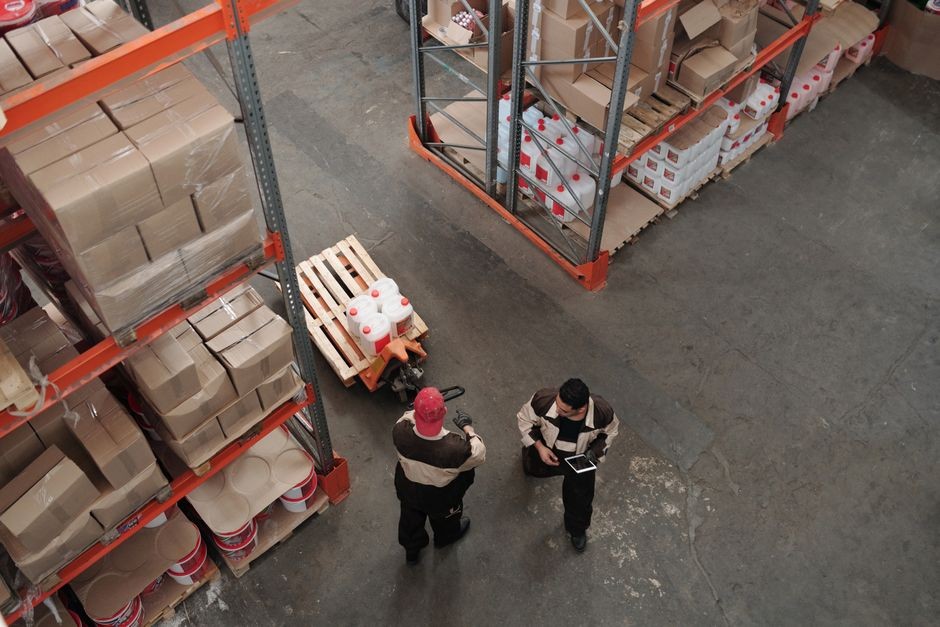
The introduction of Central Bonded Warehouses and Free Trade Zones aims to streamline input storage and distribution for export-oriented manufacturers. A centralized system could reduce factory storage needs, inventory costs, and supply delays — though success hinges on customs automation, digital inventory tracking, risk-based clearance, and coordination with the National Board of Revenue.
The policy also establishes new import facilities for expatriate Bangladeshis investing in approved local industrial ventures, including easier imports of machinery, parts, and raw materials — aligning the import framework with Bangladesh’s evolving global trade posture.
Source: textiletoday.com.bd
Compiled from international media by the SCI.AI editorial team.