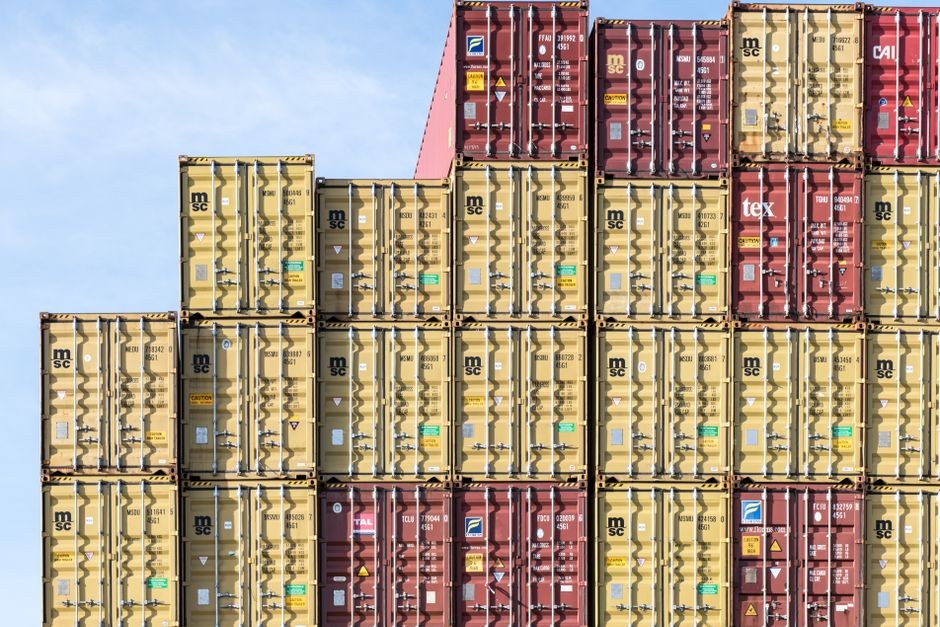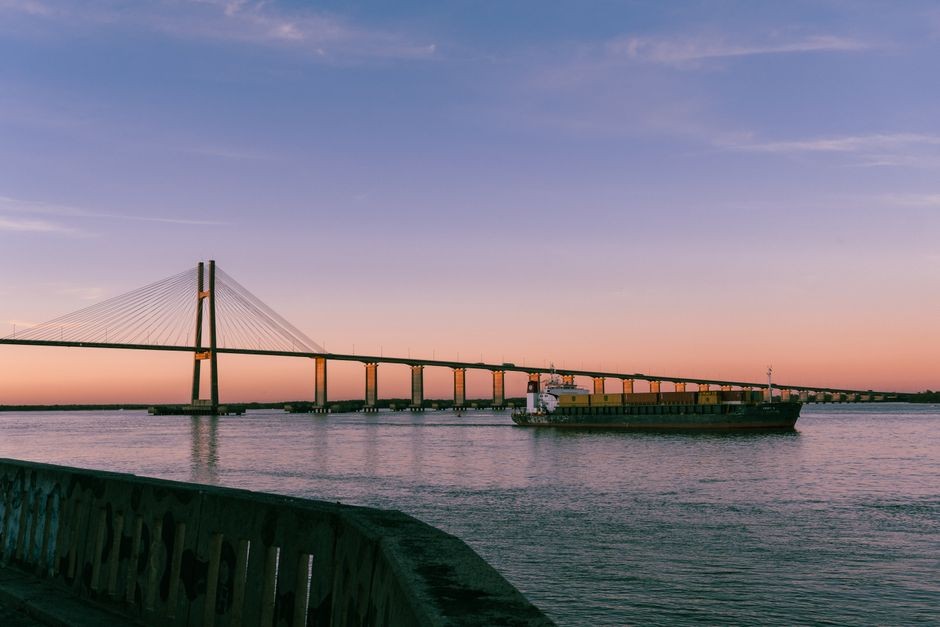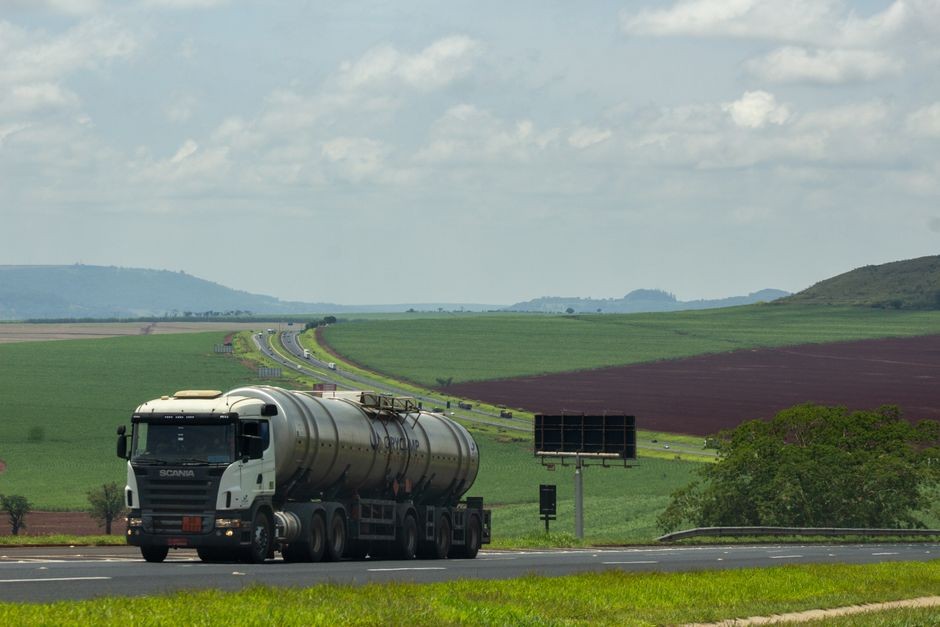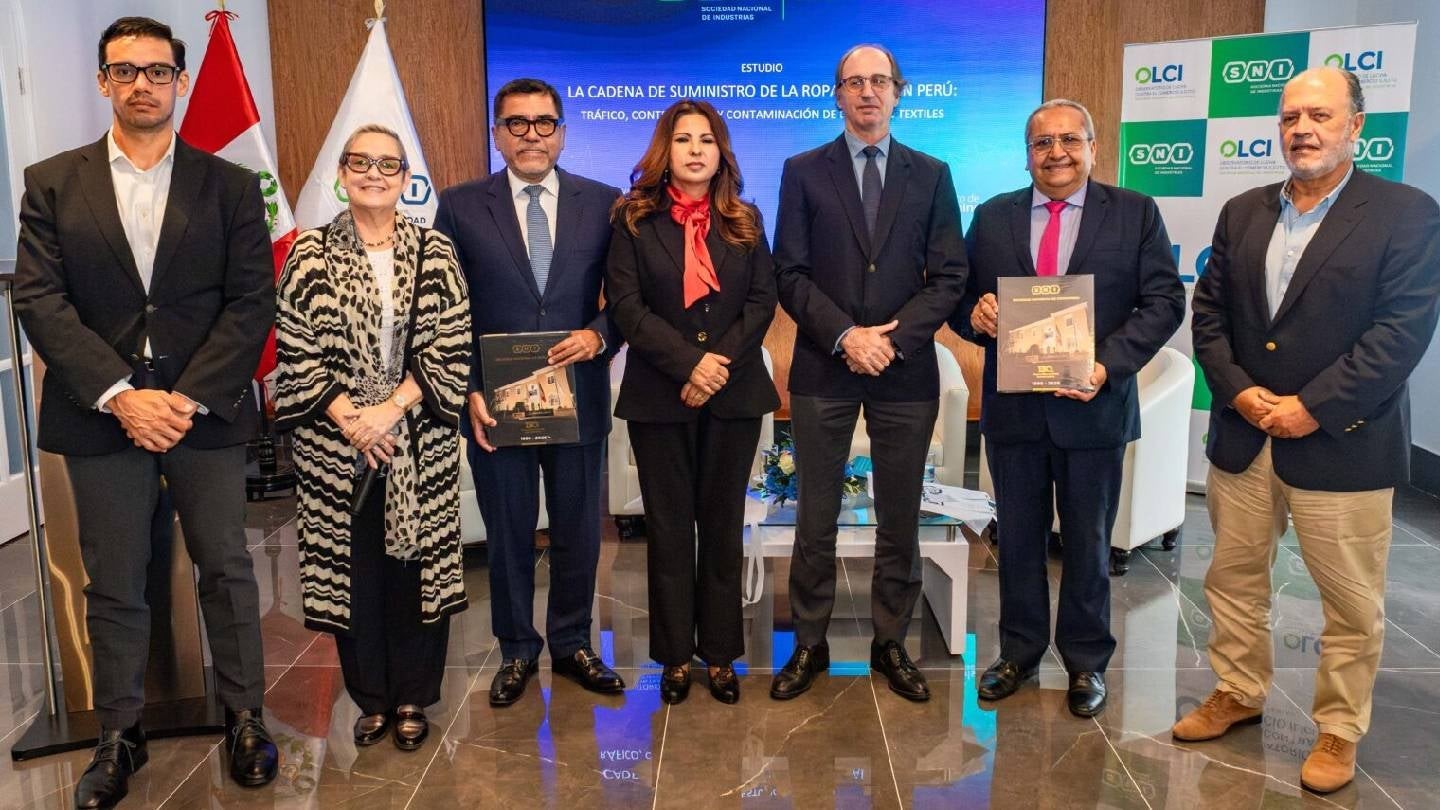
According to www.just-style.com, Peru’s Observatory for Illicit Trade (OLCI) has called for urgent customs modernization to combat a transnational smuggling network moving used clothing worth $143.3 million annually into South America — primarily via Chile, where 136,095 tons of used apparel entered each year between 2021 and 2023.
Chile as Primary Entry Point
A study titled The supply chain of used clothing in Peru: Trafficking, smuggling and pollution of textile waste, prepared by the Institute of Criminology and presented by OLCI, identifies Chile as the dominant regional gateway. According to data from the Central Bank of Chile, the country imported used clothing valued at $143.3 million in 2023, with an average annual volume of 136,095 tons over the three-year period spanning 2021 to 2023. This cargo is not destined for domestic consumption but serves as a staging ground for illicit cross-border movement.
Most of the imported garments are smuggled into Peru through its shared land borders with Chile and Bolivia. Transport methods include cargo trucks, interprovincial buses, private vehicles, and other informal conveyances — enabling rapid, low-visibility distribution across Peruvian territory. The study documents how this flow feeds a structured criminal infrastructure rather than isolated street-level vendors.
Integrated Criminal Logistics Network
The Institute of Criminology’s public affairs director, Nicolás Zevallos, stated that the investigation mapped a complex illicit chain composed of 11 links, 32 activities, and 88 tasks. These operations span trafficking, document fraud, corruption, illegal sales, and environmental dumping. Zevallos emphasized a critical convergence: “
“A key finding of our investigation is that in Peru there are no isolated routes for each type of crime. There isn’t one route exclusively for used clothing, another for illegal gold, and another for drug trafficking. They all share corridors and logistics operators. The same transport that brings in used clothing across the southern border can also bring in illegal mercury, weapons, or be used for human trafficking or cocaine. Logistics operators diversify their criminal activities in a complementary way.” — Nicolás Zevallos, public affairs director, Institute of Criminology
This logistical overlap significantly complicates enforcement. Authorities cannot isolate interventions targeting used clothing without simultaneously disrupting parallel illicit flows — including illegal gold mining inputs, narcotics, and contraband weapons. The report further identifies 24 locations across Peru where used clothing is discarded as unmanaged textile waste, causing documented environmental harm at each stage — from storage and sorting to final disposal.
OLCI’s Three-Pillar Recommendation
OLCI’s principal recommendation centers on upgrading Peru’s customs infrastructure with digital risk management systems powered by data intelligence. This includes real-time cargo profiling, AI-assisted anomaly detection, and interoperable databases linking customs, police, and environmental agencies. In parallel, the Observatory urges law enforcement, the Public Prosecutor’s Office, and judiciary bodies to prioritize dismantling large-scale criminal networks — rather than prosecuting informal market vendors who operate downstream in the chain.
The third pillar targets municipal governance: local governments are urged to monitor, inspect, and close retail outlets selling prohibited used clothing in accordance with existing municipal regulations. As Ricardo Gutiérrez Rojas, president of the Sociedad Nacional de Industrias (SNI) Commission for Combating Illicit Trade, explained: “
“The study demonstrates that we are not facing an isolated informal trade, but rather an international chain linked to illicit trade, document fraud, corruption, environmental pollution, and dynamics associated with organised crime.” — Ricardo Gutiérrez Rojas, president, SNI Commission for Combating Illicit Trade
Gutiérrez Rojas underscored two overarching conclusions drawn from the research: first, that combating illicit trade and protecting the environment constitute a single integrated agenda; second, that because the supply chain spans multiple jurisdictions — notably Chile, Bolivia, and Peru — international cooperation must serve as a foundational pillar of any effective response.
Source: Just Style
Compiled from international media by the SCI.AI editorial team.