According to baodongthap.vn, Vietnam’s agricultural exports — now present in over 200 countries and territories — face mounting pressure from surging logistics costs and fragmented infrastructure, threatening competitiveness in global markets.
Soaring International Freight Rates
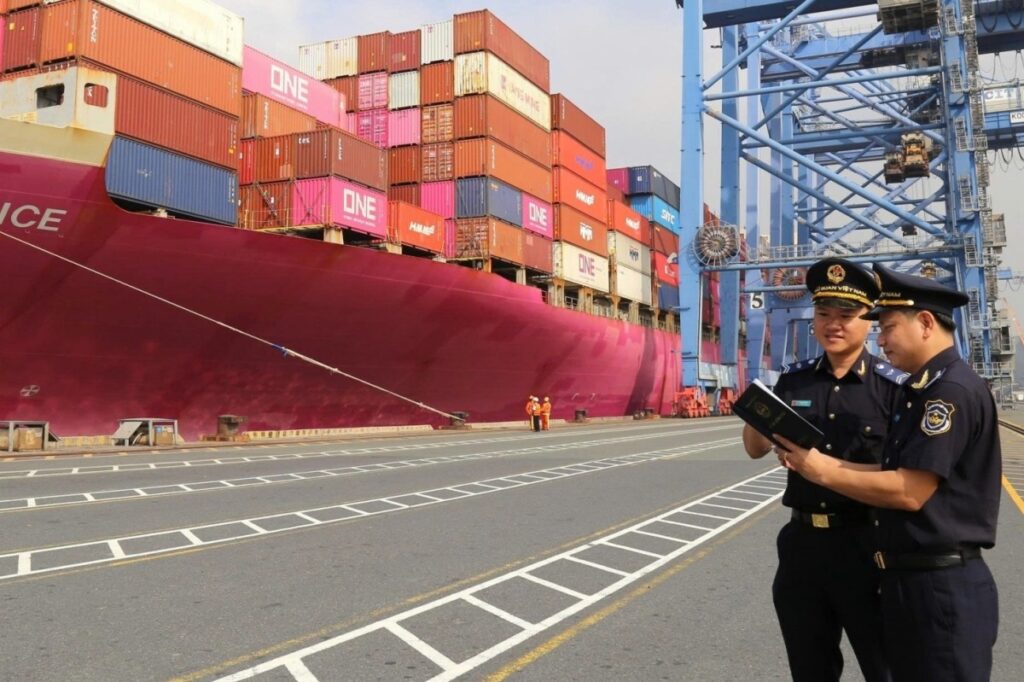
Container shipping costs from Asia to key export destinations remain sharply elevated. According to the Vietnam Association of Seafood Exporters (VASEP), the freight rate for a 40-foot equivalent unit (FEU) from the Far East to the U.S. West Coast stood at $7,072 in July 2026 — an increase of 66.6% month-on-month. Similarly, the Far East–North Europe route reached $5,457/FEU, up 42.6% from the prior month.
For frozen seafood exporters, these spikes directly erode pricing power, delivery reliability, and gross margins. As Nguyễn Đình Tùng, CEO of Vina T&T Group, explained:
“At one point, refrigerated container rates to the U.S. climbed as high as $7,800 per FEU.” — Nguyễn Đình Tùng, CEO of Vina T&T Group
He added that geopolitical instability has nearly doubled typical transit times, forcing some shippers to switch to air freight — a costlier alternative that further compresses profitability.
Domestic Logistics Bottlenecks
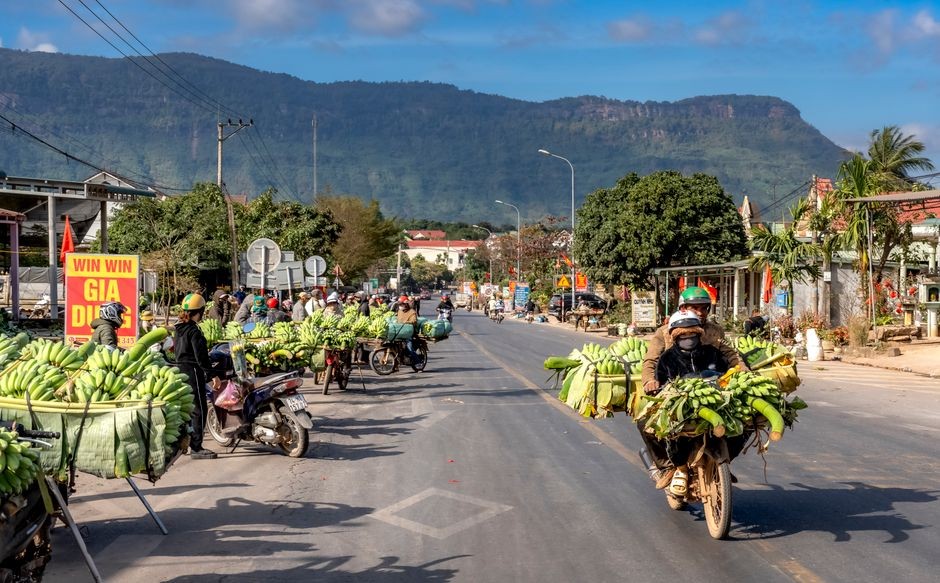
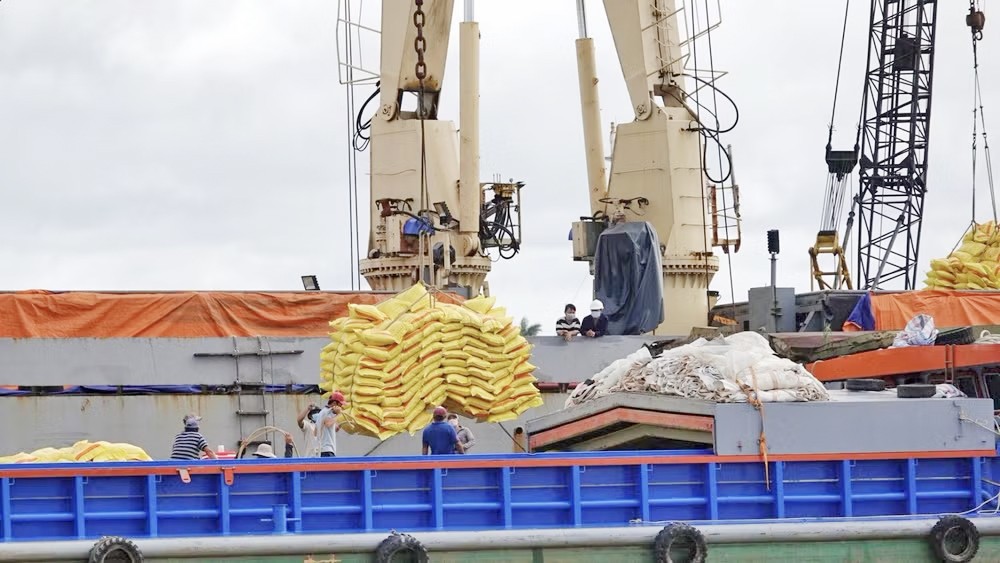
Domestic logistics inefficiencies compound international cost pressures. Nguyễn Văn Mười, Deputy Secretary-General of the Vietnam Fruit and Vegetable Association, stated that approximately 80% of domestic agricultural transport still relies on road haulage — despite lower-cost alternatives like inland waterways and rail remaining underutilized. In major production zones such as the Mekong Delta and Central Highlands, poor connectivity persists: many rural roads and internal bridges cannot accommodate container trucks, necessitating multiple transshipments before reaching seaports.
Moreover, large-scale agri-logistics hubs are scarce. Pre-cooling, packaging, cold storage, phytosanitary inspection, and irradiation services are scattered across disparate locations — increasing handling time and expense. Nguyễn Văn Mười emphasized:
“Transport currently accounts for about 30% of total production cost for many fruit and vegetable items, with domestic logistics alone representing roughly 17%.” — Nguyễn Văn Mười, Deputy Secretary-General of the Vietnam Fruit and Vegetable Association
Data Infrastructure and Regulatory Alignment
To address systemic friction, stakeholders advocate for integrated digital infrastructure. Trần Chí Dũng, Standing Committee Member of the Vietnam Logistics Services Association (VLA) and head of its agriculture logistics division, stressed that international competitiveness now hinges on verified data systems. Without interoperable digital records linking farms, logistics providers, quarantine agencies, carbon certification bodies, and customs authorities, exporters face redundant documentation — “one file per agency,” slowing market access.
VLA recommends building a national export-agriculture data authentication platform and urges the Ministry of Agriculture and Rural Development to propose legislation granting legal validity to digitally verified supply chain data in cross-border trade. Concurrently, new EU regulations — including the Carbon Border Adjustment Mechanism (CBAM), the EU Deforestation Regulation (EUDR), and broader ESG disclosure requirements — demand verifiable low-emission logistics and full supply chain transparency, pushing firms toward green logistics with traceable carbon footprints from farm to port.
Strategic Transport Diversification
To reduce overreliance on foreign carriers and volatile maritime corridors, Nguyễn Hoài Nam, Secretary-General of VASEP, called on the Vietnamese government to launch a dedicated program to develop a national fleet of container and refrigerated vessels. Such an initiative would enhance autonomy in outbound shipments and improve responsiveness during shipping market disruptions.
Geopolitical volatility also necessitates flexible routing. As Trương Xuân Trung, Head of the Vietnam Commercial Office in the United Arab Emirates (UAE), advised:
“When the Strait of Hormuz remains unstable, enterprises should proactively develop diversified shipping plans instead of depending on a single fixed route.” — Trương Xuân Trung, Head of Vietnam Commercial Office in UAE
For instance, Vietnamese exporters operating in the UAE have begun using ports outside the Strait — such as Fujairah and Khor Fakkan — to sustain cargo flows. Though this may incur marginal additional transport costs, it significantly lowers the risk of supply chain interruption and ensures on-time deliveries.
Source: baodongthap.vn
Compiled from international media by the SCI.AI editorial team.