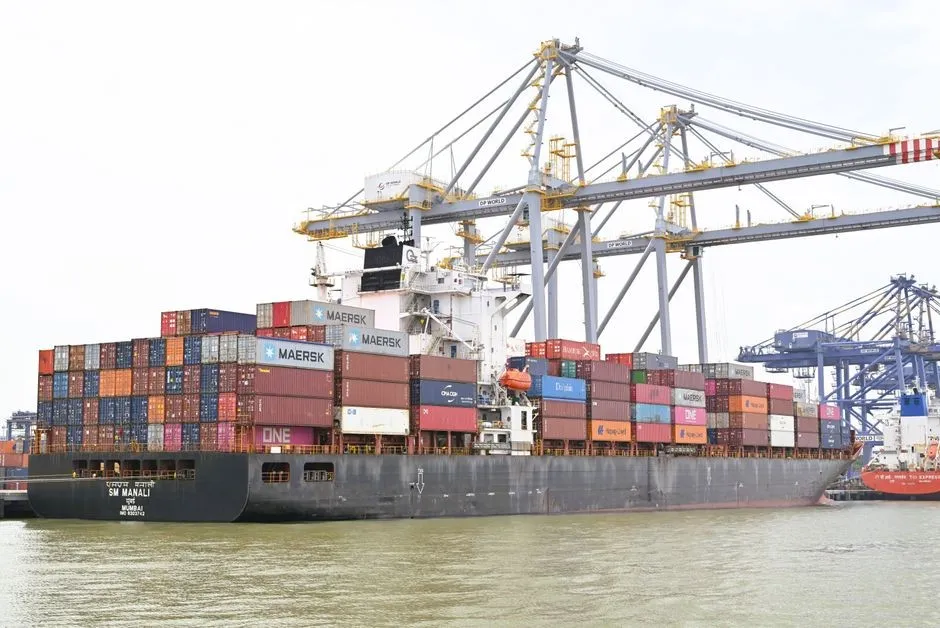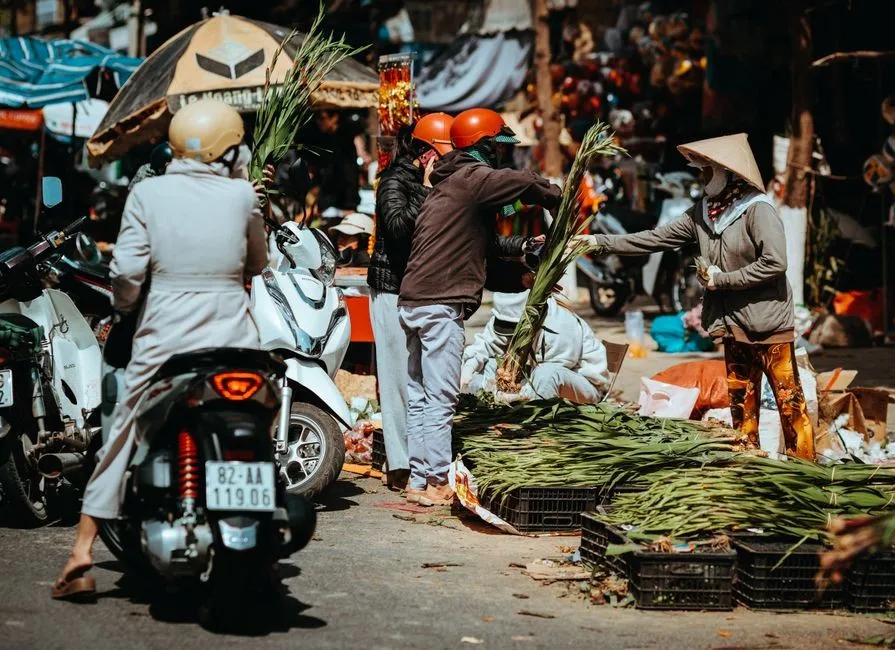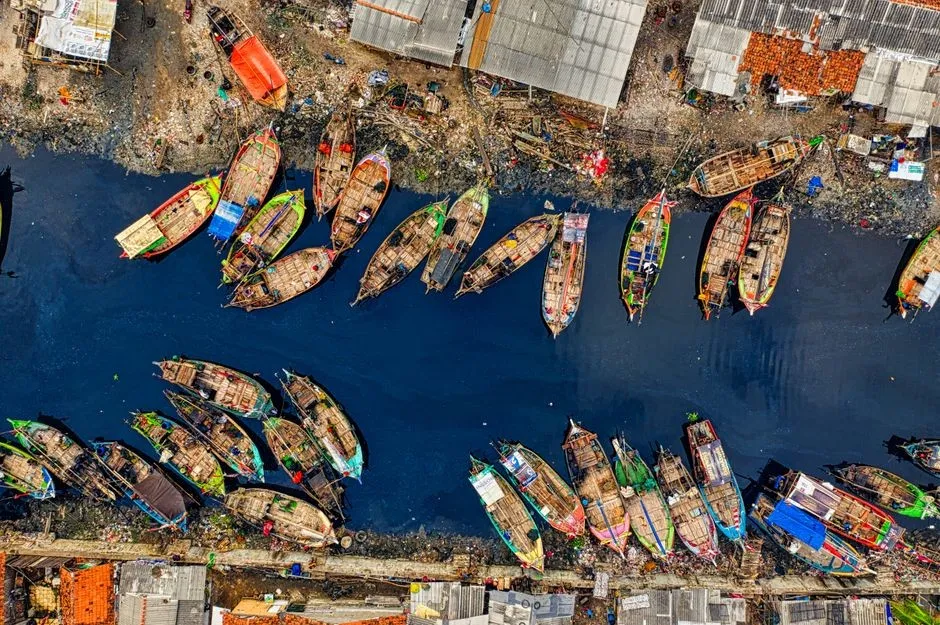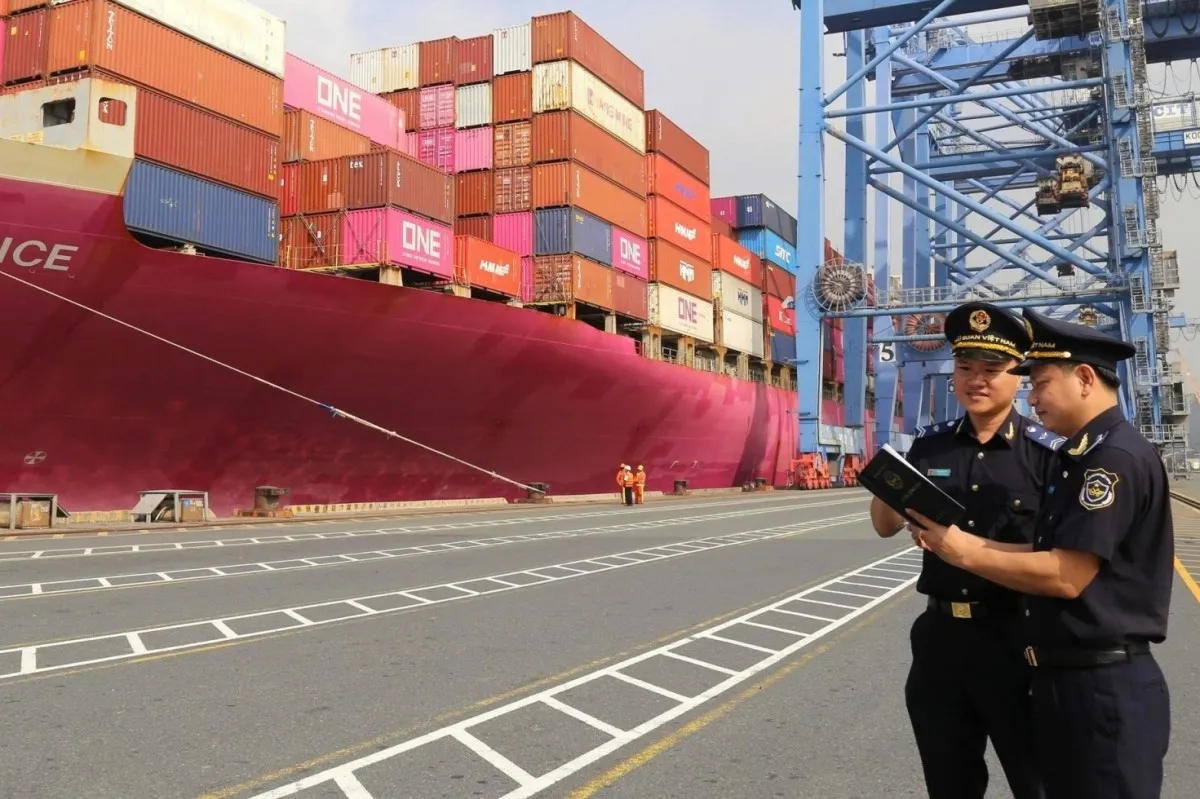
According to thuehaiquan.tapchikinhtetaichinh.vn, Ho Chi Minh City maintained its position as Vietnam’s primary economic engine in the first seven months of 2026, recording a total import-export volume of 133.74 billion USD. This figure represents a 7.98% year-on-year increase, adding approximately 9.88 billion USD to the city’s trade scale compared to the same period last year.
Trade Volume Breakdown and Sector Analysis
The City’s Department of Industry and Trade reported that export values reached 66.3 billion USD, marking a 4.93% growth, or an increase of 3.11 billion USD. Meanwhile, import values climbed to 67.43 billion USD, surging by 11.16% or 6.77 billion USD.
Key export drivers included computers, electronic products, and components, which generated 12.15 billion USD in revenue, up 7.91%. Machinery, equipment, and spare parts also performed strongly, reaching 5.47 billion USD with a 15.15% increase.
Other notable sectors included wood and wood products, which achieved 4.61 billion USD, and footwear, reaching 2.55 billion USD. However, traditional industries such as textiles and coffee faced headwinds, highlighting uneven growth across sectors.
Geopolitical Pressures and Market Diversification
Ho Chi Minh City faces significant external pressures, particularly from geopolitical conflicts in the Middle East and the United States’ Section 301 tariff policies.
The United States remains the city’s largest export market, accounting for 13.89 billion USD in trade during the first seven months of 2026. Consequently, fluctuations in US policy directly impact local order volumes, logistics costs, and growth targets.
To mitigate these risks, the city is actively diversifying its market base and supply chains. This strategy aims to reduce reliance on single markets and enhance supply chain resilience against global disruptions.
Logistics Infrastructure and Policy Reforms
To capitalize on its role as the commercial gateway for the Southern Key Economic Region, Ho Chi Minh City is transitioning from geographic advantages to institutional and infrastructure-led growth.
A cornerstone of this strategy is the establishment of the Ho Chi Minh City Free Trade Zone, formalized by Decision No. 4560/QĐ-UBND on July 23, 2026. This initiative seeks to integrate commerce, logistics, seaports, and manufacturing into a cohesive ecosystem.
Additionally, the city enacted Decision No. 4196/QĐ-UBND on July 9, 2026, outlining an action plan for the 2026–2030 import-export strategy. This is complemented by Decision No. 4752/QĐ-UBND on July 31, 2026, which implements Vietnam’s logistics service development strategy through 2035, with a vision extending to 2050.
Key infrastructure projects include connecting regional transport networks to deep-water ports in Cai Mep, Thi Vai, and Can Gio. The establishment of the Cai Mep Ha Free Trade Zone serves as the first concrete step toward realizing a specialized functional zone linked to deep-water seaports.
Corporate Engagement and Supply Chain Integration
The Department of Industry and Trade has organized targeted supply chain matchmaking events to connect exporters with logistics providers and industry associations.
Events held on June 26, 2026, focused on textiles, leather, footwear, and wood processing. A subsequent event on July 31, 2026, addressed seafood, food, and cold chain logistics.
Further initiatives include a training program on August 20, 2026, guiding businesses on production processes and certification standards for the Israeli market. A major import-export and supply chain promotion conference is scheduled for September 2026.
Businesses are advised to diversify suppliers, strictly control raw material origins, and maintain flexible logistics plans to navigate the rapidly changing global market.
Source: thuehaiquan.tapchikinhtetaichinh.vn
Compiled from international media by the SCI.AI editorial team.