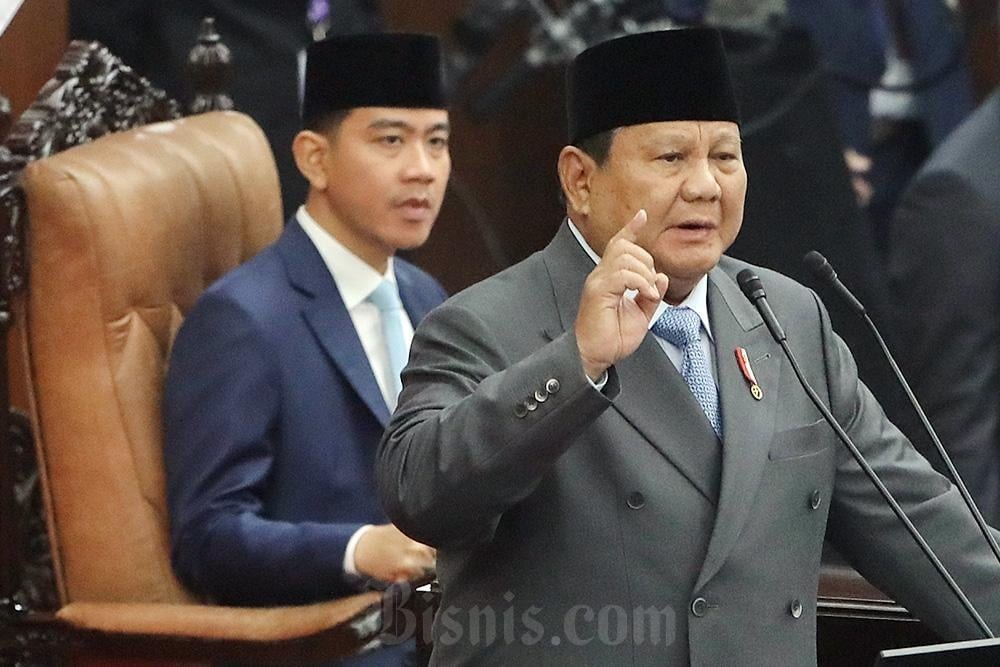
According to ekonomi.bisnis.com, Indonesian President Prabowo Subianto addressed the nation on the critical need for economic self-reliance amidst intensifying global conflicts that are severely disrupting supply chains. Speaking at the joint session of the MPR and DPR in Jakarta on August 14, 2026, the President outlined the administration’s strategy to protect the country from external shocks.
Investment Strength Amidst Geopolitical Turmoil
Prabowo emphasized that despite the volatility in the global economy, the fundamental strength of the Indonesian economy remains intact. He attributed this resilience to the collective hard work of the nation and the sustained confidence the public places in the government’s direction.
The President highlighted specific financial data to illustrate the economy’s robust performance during a period characterized by trade wars and open conflicts in Europe and the Middle East. According to the report, the realization of investments in Indonesia reached Rp1.931 trillion in 2025. This substantial figure serves as a testament to the country’s ability to attract and maintain capital flows even when global conditions are unfavorable.
Prabowo argued that the current geopolitical climate necessitates a shift away from reliance on foreign supply networks. He stated that the nation must be capable of standing on its own two feet to ensure survival if the international situation deteriorates further.
In such circumstances, Indonesia must be more capable of standing on its own two feet; we must be able to be independent; we must not rely on supplies from outside, because if the situation changes for the worse, we must still survive.
Aggressive Policy Implementation
To support this vision of national independence, the Prabowo administration has embarked on an aggressive legislative and regulatory agenda. The government has successfully enacted and executed 121 transformative policies within the first 21 months of the administration, which amounts to approximately 663 days in office.
These policies are specifically designed to resolve long-standing national issues that previous administrations were unable to solve. The administration views these measures as essential for building a resilient economy that can withstand the pressures of global conflicts and supply chain disruptions.
Future Infrastructure and Trade Goals
Looking ahead, the administration has set specific targets for the development of the minerals exchange, which is scheduled to begin operations on January 1, 2027. This initiative is part of the broader strategy to leverage Indonesia’s vast natural resources for domestic industrial growth and to reduce dependency on foreign imports.
The government also aims to boost the macroeconomic growth rate to 6% by 2027, supported by the synergy between the state-owned holding company Danantara and the broader enterprise sector. Additionally, the state-owned enterprise market is projected to grow by 30%, indicating strong confidence in the domestic industrial ecosystem.
Source: ekonomi.bisnis.com
Compiled from international media by the SCI.AI editorial team.