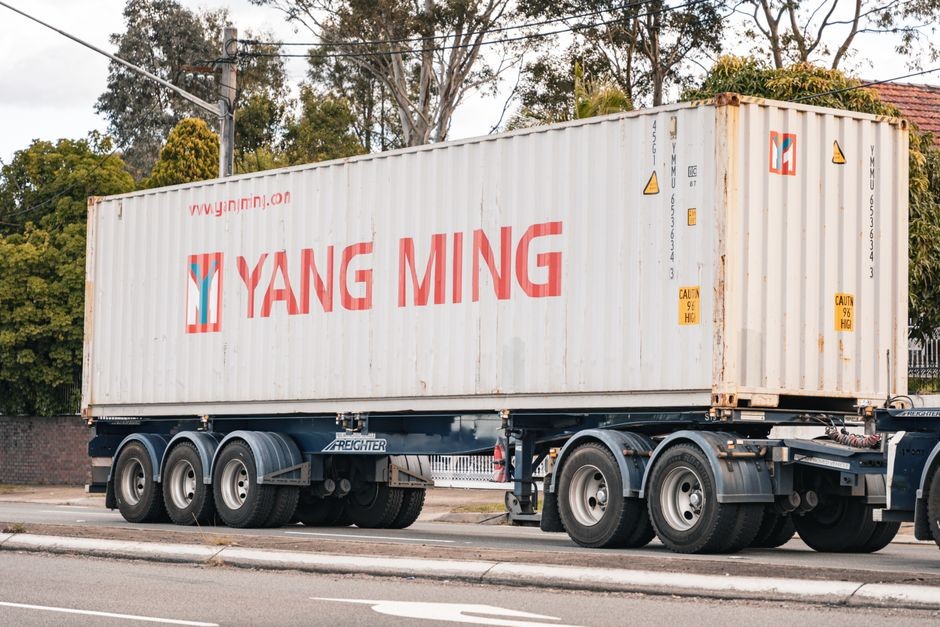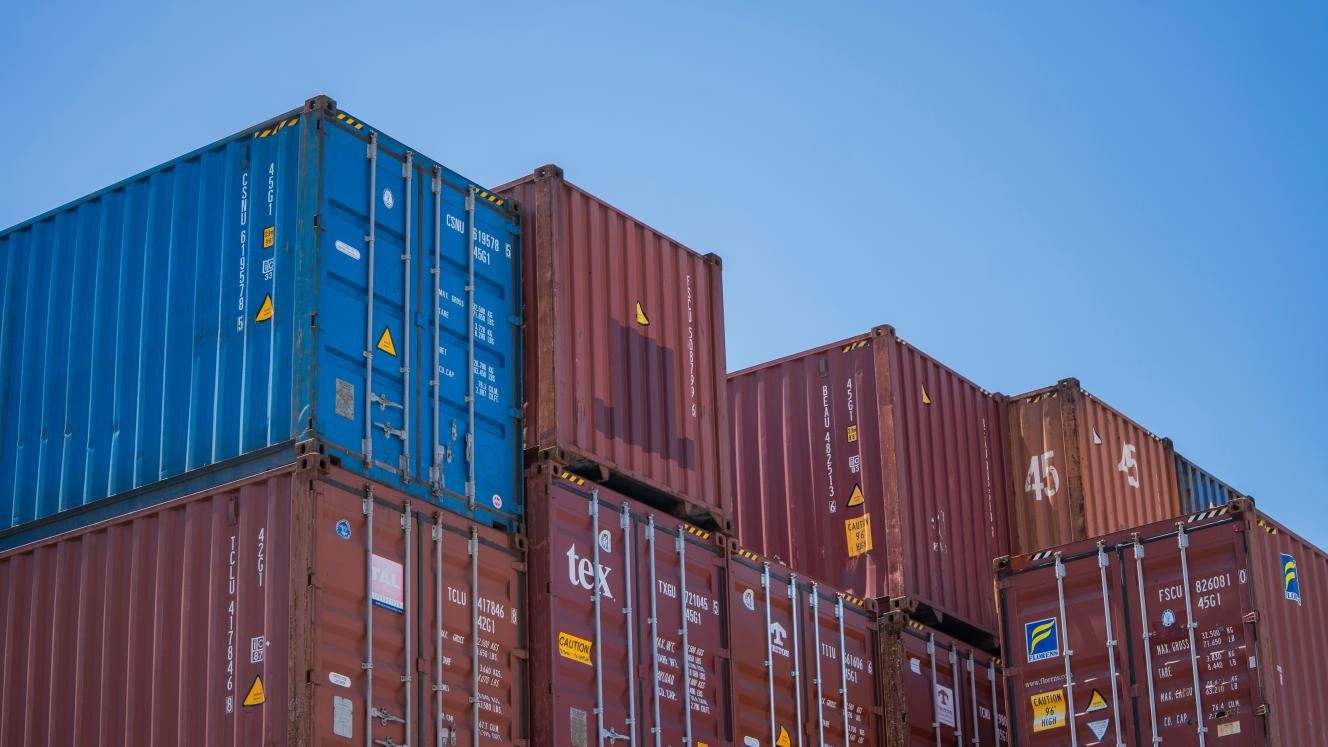
According to www.freightnews.co.za, container shipping capacity between Asia and West Africa has increased by almost 30% over the past year, intensifying pressure on ports and inland logistics networks.
Surge in deployed vessel capacity
As of 1 July 2026, Alphaliner data reported by the Journal of Commerce shows that 185 container ships with a combined capacity of approximately 1.4 million TEUs were deployed on the Asia–West Africa trade lane. This represents an increase of almost 30% compared to the same date in July 2025. The growth follows an even steeper rise of around 40% between July 2024 and July 2025.
Stefan Verberckmoes, senior analyst at Alphaliner, noted that few global trade lanes have seen deployed container capacity nearly double within two years. The Asia–West Africa expansion is part of a broader reallocation: Alphaliner’s fleet analysis for the year ending May 2026 found that capacity deployed on African services rose 25.3% year-on-year — far outpacing the 5.7% growth recorded for the global container fleet overall.
Carrier network expansions and service upgrades
Maersk strengthened its Asia–West Africa network in the second quarter of 2026, launching a new service linking Asian ports with Tema, Abidjan, Lekki, Kribi, and Pointe Noire. This reflects a wider industry trend of deploying larger vessels and adding dedicated routes to meet rising demand.
Sascha Geiken, vice president of ocean freight for the Middle East and Africa at DHL Global Forwarding, confirmed strong growth on the China–Africa corridor, calling it one of the company’s fastest-growing trades — with robust expansion also observed in airfreight volumes. According to the source, this growth is driven by deepening trade ties, particularly in commodities and manufactured goods.
Port congestion and infrastructure bottlenecks
The surge in volumes is straining physical infrastructure. At Durban Gateway Terminal, vessel anchorage times averaged 80 hours during July 2026, reflecting acute operational pressure. This congestion forced carriers to omit calls at Port Louis twice in the same month.
Additional stressors include peak citrus export volumes and persistent truck bottlenecks in Durban — prompting local authorities to implement a new plan targeting road freight inefficiencies. Meanwhile, the Western Cape government has submitted port performance data to the World Bank to support evidence-based infrastructure investment decisions.
Other developments underscore systemic strain: DP World announced plans to develop a logistics hub near the Port of Mombasa on 6 August 2026, while South Africa secured a 200,000-ton soybean export deal with China on the same day as the main cargo capacity report — further illustrating the scale and pace of trade acceleration.
Practitioner implications
For supply chain professionals, the data signals urgent need for coordinated investment across three layers: port modernization (including berth depth, crane productivity, and digital gate systems), hinterland connectivity (rail electrification and dedicated freight corridors), and customs digitization to reduce dwell time. Unlike mature markets where capacity additions often follow predictable demand curves, Africa’s current growth is compressing timelines — turning multi-year infrastructure planning cycles into urgent, cross-border coordination challenges.
The 30% capacity jump in just 12 months — layered atop the 40% prior-year gain — means many terminals are operating beyond design thresholds. Without parallel upgrades to road networks, rail intermodal yards, and inland container depots, added vessel capacity risks amplifying delays rather than easing them. As one logistics manager told Freight News, “More ships don’t solve congestion — smarter handoffs do.”
Source: freightnews.co.za
Compiled from international media by the SCI.AI editorial team.