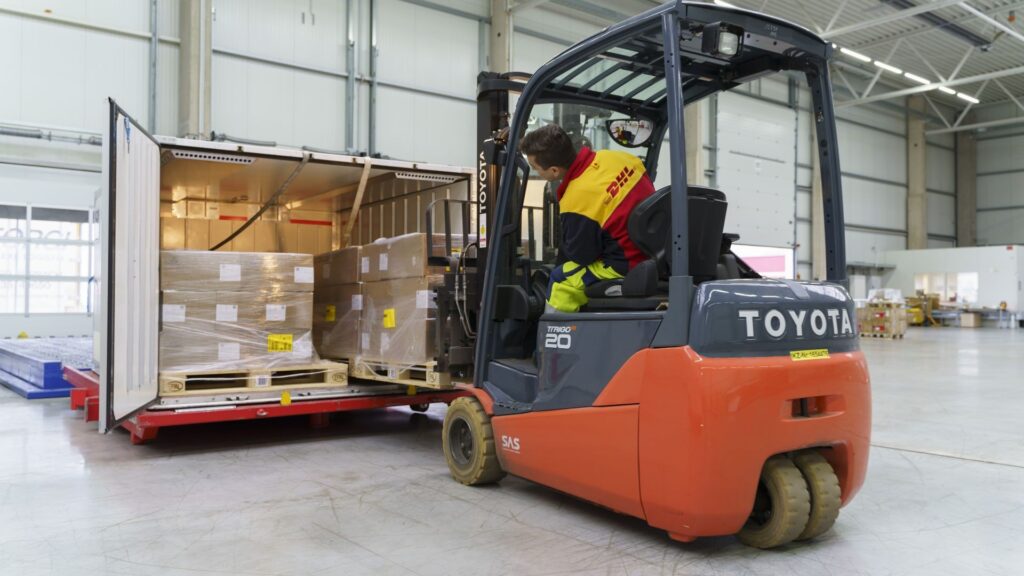
According to The Loadstar, AI-related shipments are propping up global air cargo markets despite weakening e-commerce demand, with analysts warning that geopolitical instability could trigger an early peak season as early as September 2026.
AI hardware drives transpacific corridor strength
Global semiconductor sales surged 106% year on year in April 2026 — a figure directly tied to surging demand for AI infrastructure components. This growth has made the transpacific route the strongest air cargo corridor, overtaking traditional trade lanes. Meanwhile, China’s low-value e-commerce exports dropped 7% in May 2026, underscoring the shift in cargo composition. According to Xeneta, AI-driven freight now accounts for a dominant share of high-value air cargo volume, particularly from Taiwan and Southeast Asia, where demand remains robust through July and August 2026.
Geopolitical shock removes 12% of global air cargo capacity
The escalation of conflict in the Middle East removed 12% of global air cargo capacity overnight in late February 2026, according to market intelligence provider Xeneta. As a result, first-half 2026 supply growth was restricted to just 1%, while demand grew 4%. This imbalance pushed combined spot and contract air freight rates up 17% year on year overall in the first half. Spot rates climbed around 40% in May before stabilising — a pattern consistent with constrained capacity and sustained demand pressure.
Carriers scale back Middle East operations indefinitely
Cargolux announced it would postpone resumption of freighter flights to Dubai World Central “indefinitely”, joining Cathay Pacific, which confirmed today it would also delay resumption of both passenger and freighter services to the Middle East. These decisions reflect ongoing operational uncertainty: Middle Eastern carriers remain at approximately 70% of pre-conflict operating levels. Flexport senior pricing associate Franco Babini noted that elevated jet fuel prices continue to support air freight rates, compounding the impact of reduced capacity.
Peak season may arrive in early September — not Q4
Flexport forecasts that renewed Middle East disruption or further ocean-to-air modal shift could advance the traditional peak season from early Q4 to early September 2026. Hong Kong export tonnage fell 12% in the first week of July — marking three consecutive weeks of decline following the EU’s removal of the de minimis threshold for low-value imports on 1 July 2026.
“The triggers for this scenario could be further escalations in the Middle East that, as we well know, could affect the available capacity as well as the jet fuel prices. Moreover, the AI-related commodities could take up the newly available space in the market, further putting pressure on the rates… In this case, we could see rates already begin an upward trend in early September, rather than the traditional suburban peak season towards early Q4.” — Franco Babini, senior pricing associate, Flexport
Revised outlook: air freight rates now expected to rise 5–15% in 2026
Xeneta has dramatically revised its 2026 forecast: having previously projected air freight rates would fall 5%–10%, it now expects them to rise 5%–15% due to the supply shock from Middle East conflict. Xeneta chief airfreight officer Niall van de Wouw stated:
“Demand keeps defying gravity. Spot rates are now plateauing, but they are not falling.” — Niall van de Wouw, chief airfreight officer, Xeneta
Freightos’ head of research Judah Levine echoed this resilience, citing IATA data showing global air cargo demand continuing to outpace capacity growth — keeping load factors elevated even as Middle East capacity gradually recovers.
Source: The Loadstar
Compiled from international media by the SCI.AI editorial team.