According to techcrunch.com, India approved a manufacturing joint venture between Vivo and Dixon Technologies on Thursday, July 9, 2026 — marking the next phase of the country’s smartphone production expansion beyond Apple’s footprint.
Regulatory green light after two-year delay
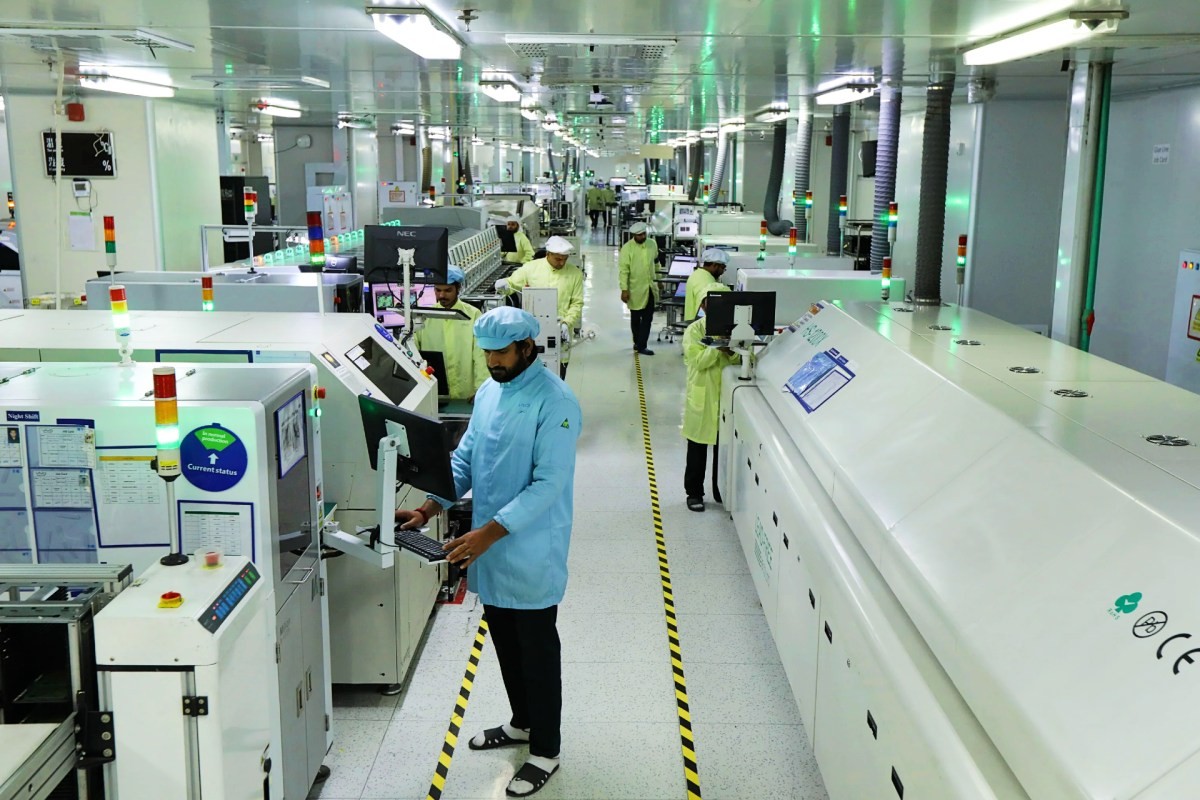
The approval clears a long-delayed partnership first announced in December 2024, following New Delhi’s application of investment rules introduced in 2020. Those rules mandate enhanced government scrutiny for investments from countries sharing a land border with India — including China. The joint venture will acquire certain manufacturing assets from Vivo, produce part of its smartphone orders domestically, and also manufacture electronic products for third-party brands, per a stock exchange filing by Dixon, headquartered in Noida.
The structure is a 51/49 venture: Dixon holds majority ownership, while Vivo retains the remaining stake. This model reflects a broader strategic pivot among Chinese smartphone vendors seeking sustainable local operations amid tightening regulatory and geopolitical conditions.
From market dominance to export upside
While Chinese brands collectively hold 72% of India’s smartphone market by sales volume, they contribute less than 10% of the country’s smartphone exports — a stark contrast to Apple, which accounts for 57% of India’s smartphone export volume, according to Counterpoint Research data shared with TechCrunch. That gap underscores significant untapped export potential if Chinese OEMs replicate Apple’s India-based global supply chain model.
Vivo retained the top spot in India’s smartphone market in Q1 2026 with a 23% shipment share, per Counterpoint. Yet its manufacturing has historically been limited in scale and scope relative to Apple’s ecosystem — which relies heavily on suppliers such as Foxconn and Tata. The new JV shifts toward a majority-Indian-owned manufacturing entity, deepening Vivo’s integration into the world’s second-largest smartphone market.
Scale, stability, and strategic alignment
For Dixon, India’s largest electronics manufacturing services company, the venture is projected to add annualized manufacturing volumes of 20 million to 22 million smartphones, based on Vivo’s current sales, according to comments by Managing Director Atul Lall during the company’s May earnings call. That volume represents a meaningful uplift for a public company whose growth increasingly depends on securing large-scale manufacturing contracts.
Dixon already manufactures smartphones for Xiaomi, confirming its expanding role as a trusted partner for both global and Chinese brands. As Tarun Pathak, research director at Counterpoint Research, noted:
“The approval of this joint venture creates a win-win for both players.” — Tarun Pathak, research director at Counterpoint Research
He added that the majority-Indian ownership provides Vivo greater policy alignment while enabling Dixon to deepen local value addition and pursue export opportunities.
This structure may serve as an industry template — especially given parallel regulatory pressures faced by Oppo, Vivo, and Xiaomi, all of which have undergone tax and regulatory investigations in India since 2020. Ceding majority control to Indian partners now appears to be the most viable path forward for sustained operations.
Source: TechCrunch
Compiled from international media by the SCI.AI editorial team.