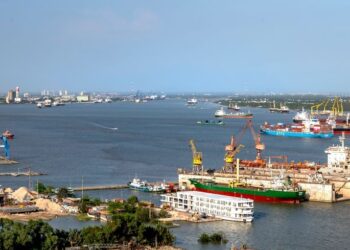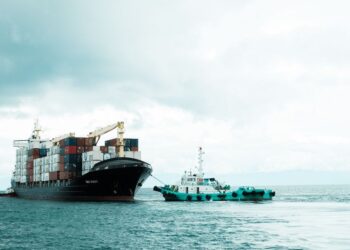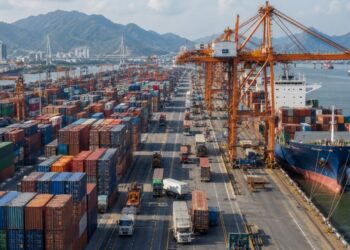
According to cafebiz.vn, Vietnam’s seafood exporters are grappling with sharply rising logistics costs, including ocean freight rates that spiked to nearly $10,000 per container for shipments to the U.S. West Coast — up from roughly $2,000 per container pre-pandemic.
Record Export Volume Amid Soaring Freight Costs
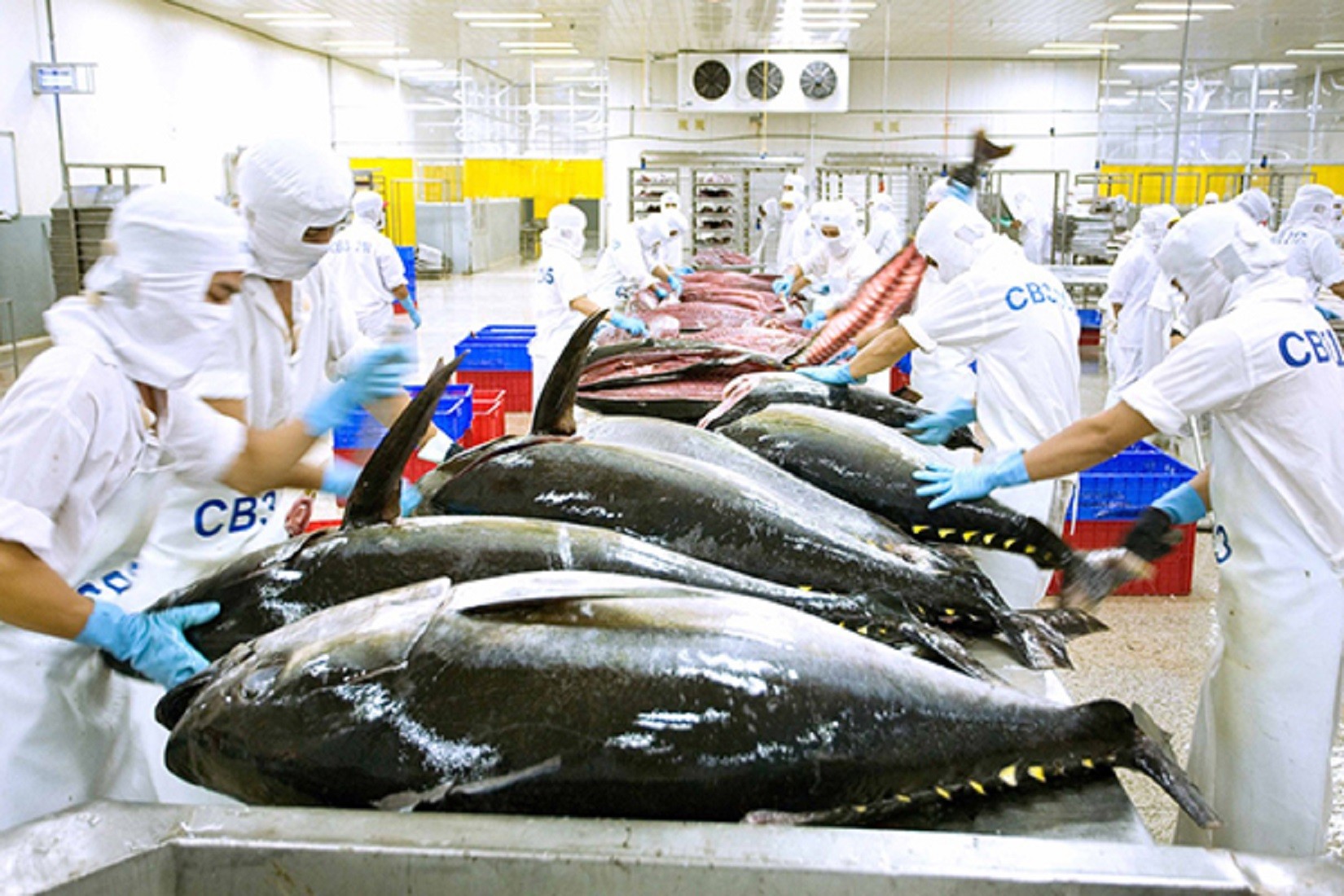
Vietnam’s seafood industry exports approximately 1 million containers annually, placing it among the world’s top three seafood exporters, according to Nguyễn Hoài Nam, Secretary-General of the Vietnam Association of Seafood Exporters (VASEP). At a July 8, 2026, conference titled “Double-Digit Growth — Momentum from Enterprises,” he emphasized that the country’s competitive edge lies not only in aquaculture and wild catch but also in deep processing capabilities that generate high-value, export-ready products tailored for developed markets.
The sector aims to achieve $12 billion in export revenue in 2026, representing 10–11% year-on-year growth. However, this target faces headwinds: ocean freight rates have risen 20–30% overall, eroding margins across the value chain. As Nam explained:
“A container bound for the U.S. West Coast cost around $2,000 before COVID-19; post-pandemic, it surged multiple times over and remains extremely high — at times nearing $10,000 per container. With 1 million containers shipped yearly, even modest freight increases significantly erode the value-added margin enterprises create.” — Nguyễn Hoài Nam, Secretary-General, VASEP
Credit Access Constraints Limit Production Scaling
A second critical bottleneck is restricted access to working capital. When export orders increase — for example, from 100 containers per month to 150–200 containers per month — companies require proportionally higher liquidity to procure raw materials from farmers and fishers. Yet, even reputable exporters with substantial export volumes struggle to secure additional credit lines.
“There is demand, there are orders, there are markets — but without sufficient capital to buy inputs, opportunities cannot be seized,” Nam stated. VASEP has urged authorities to streamline credit disbursement mechanisms and reduce procedural friction for export-oriented firms seeking short-term financing.
Regulatory Complexity Hinders Export Certification
The third major constraint involves fragmented and overlapping regulatory requirements for seafood traceability and certification. Exporters must complete numerous documentation steps — including verification of legal catch zones, vessel compliance, and sustainability attestations — governed by laws, decrees, and circulars issued across multiple agencies. For instance, under Vietnam’s 2017 Fisheries Law, marine zones are classified as coastal, inshore, and offshore, each permitting only specific vessel types. In practice, however, species distribution and fishing behavior do not always align with these rigid classifications.
“A vessel qualified for offshore operations may harvest species best suited to inshore waters — yet documentation systems treat this as noncompliant,” Nam noted. “Enterprises may purchase hundreds of tons of verified raw material and store it in cold storage, only to stall at the final certification stage due to inconsistent or contradictory administrative interpretations.” This creates costly delays and lost sales windows.
National Targets Demand Systemic Fixes
The Vietnamese government and Ministry of Agriculture and Rural Development have set an overarching goal of reaching $100 billion in agricultural exports, with seafood targeting $15–16 billion. Achieving this requires coordinated action on logistics, finance, and regulation — not isolated improvements. As Nam stressed, “Enterprises have orders and market access, but without adequate capital, labor capacity, stable freight pricing, and simplified origin verification, production cannot scale — and growth opportunities will be forfeited.”
Notably, foreign-invested enterprises account for 70–72% of Vietnam’s seafood export value, while domestic firms remain largely excluded from integrated global supply chains — highlighting structural gaps in local supplier development and technical capacity building.
Source: cafebiz.vn
Compiled from international media by the SCI.AI editorial team.