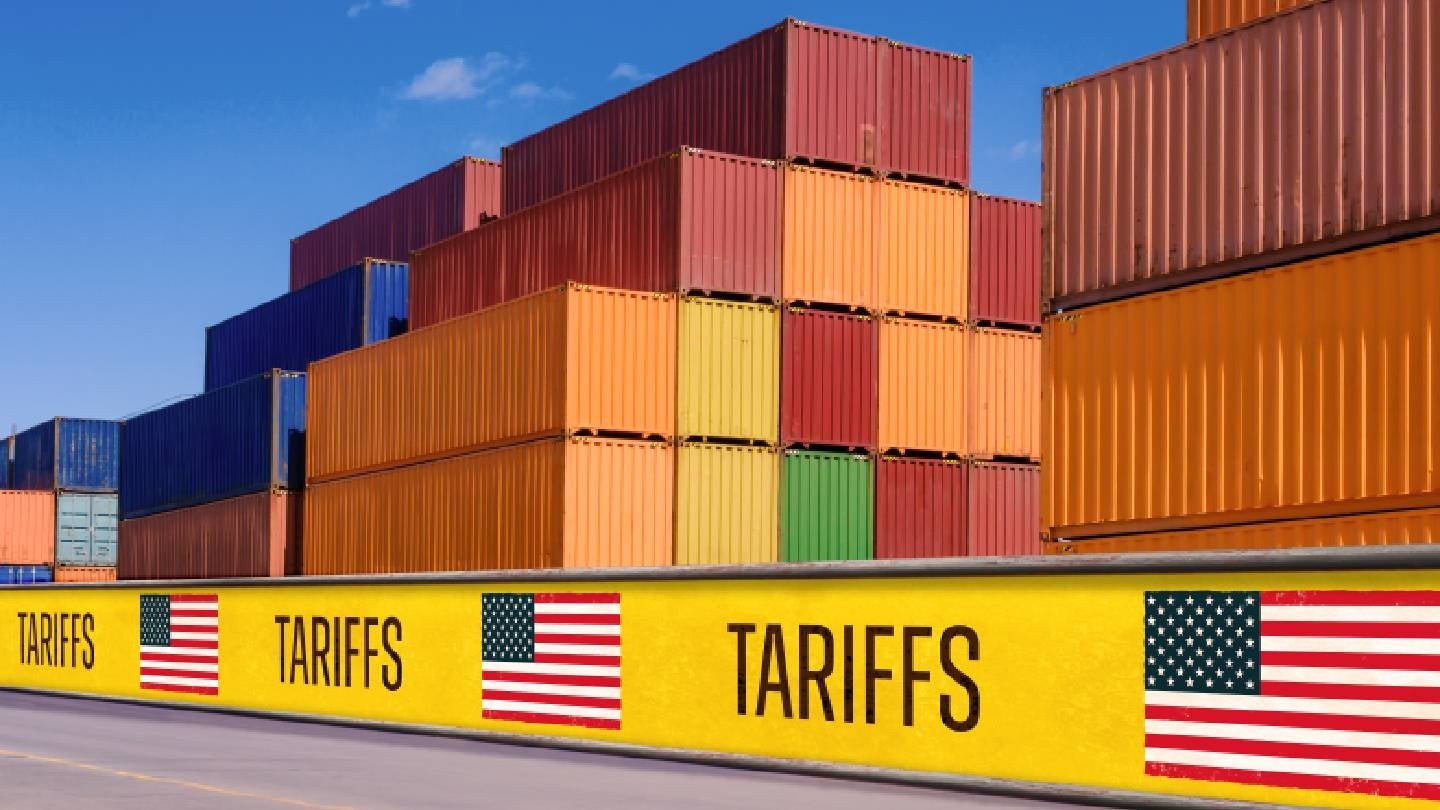
According to www.just-style.com, U.S. containerized import volumes at major ports are projected to reach a new all-time high of 2.47 million twenty-foot equivalent units (TEU) in July 2026 — surpassing the previous record of 2.4 million TEU set in May 2022.
Frontloading driven by looming tariff policy
Retailers and importers are accelerating shipments ahead of anticipated new tariffs tied to forced labour enforcement, expected as early as August. The current 10% Section 122 global tariff — imposed in February 2026 — expires on 24 July 2026. In late June, the U.S. Trade Department accused 60 countries of failing to address forced labour and threatened 10–12.5% tariffs on major trade partners.
This policy uncertainty has triggered widespread frontloading. As Jonathan Gold, vice president of supply chain and customs policy at the National Retail Federation, explained:
“This year’s early peak season is expected to continue through July as retailers and other importers prepare for potentially higher tariffs beginning in August and other trade uncertainties.” — Jonathan Gold, National Retail Federation
Volume surge confirmed across first half of 2026
Final data for May 2026 show U.S. ports covered by the Global Port Tracker handled 2.24 million TEU, up 14.9% year-on-year — reversing a post-“Liberation Day” tariff decline observed in 2025. Month-over-month, May volume rose 10.1% from April. June is forecast at 2.33 million TEU, reflecting an 18.7% increase compared to June 2025.
Cumulatively, imports for the first half of 2026 are projected to total 12.77 million TEU, representing a 2% increase over the same period in 2025. Ben Hackett, founder of Hackett Associates, noted:
“Import volumes have risen sharply, with strong growth likely continuing into July. Much of this increase reflects frontloading ahead of expected tariff increases.” — Ben Hackett, Hackett Associates
Seasonal shift and post-July slowdown
The traditional October peak has shifted earlier due to tariff anticipation and port labour disruptions. July’s record will be followed by a sharp contraction: August imports are forecast at 2.22 million TEU — down 4.5% year-on-year. September and October are both projected at 1.99 million TEU, representing declines of 5.7% and 3.8%, respectively. November is expected to fall further to 1.92 million TEU, a 5.2% drop versus 2025.
For context, total U.S. container imports in 2025 stood at 25.4 million TEU, marginally below the 25.5 million TEU recorded in 2024 — a 0.3% decline. The report attributes the 2026 rebound not to sustained demand growth but to strategic timing adjustments driven by regulatory risk.
Consumer behaviour under price pressure
Despite macroeconomic headwinds, consumer spending remains resilient — though affordability is now the dominant constraint. The back-to-school selling season has already begun, and holiday inventory planning is accelerating. Retailers aim to clear shelves and replenish stock before new tariffs raise landed costs. This dynamic underscores how trade policy directly reshapes logistics scheduling, inventory financing cycles, and working capital deployment across apparel, footwear, and home goods supply chains.
Source: Just Style
Compiled from international media by the SCI.AI editorial team.