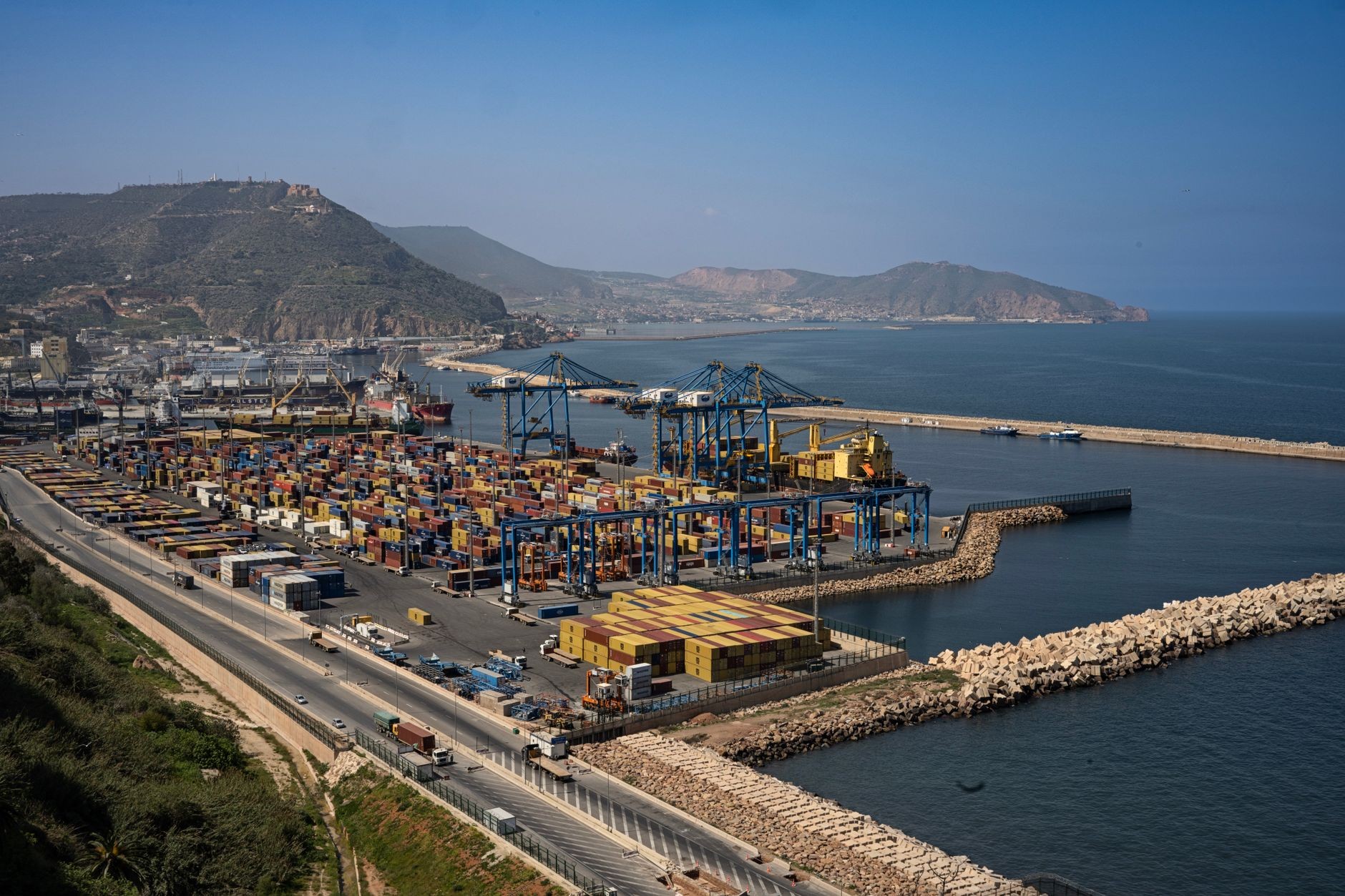
According to blog.gettransport.com, Morocco has evolved from a low-cost outsourcing destination into Europe’s structurally anchored nearshoring hub — driven by the Tanger Med port complex, automotive industrial clustering, and a 2026-focused sourcing strategy.
The Strategic Shift to Nearshoring
Global supply chains have undergone fundamental restructuring since pandemic-related disruptions between 2020–2022. Companies previously reliant on just-in-time manufacturing from Asia now prioritize resilience over pure cost efficiency. Morocco’s geographic position — just 14 km from Europe across the Strait of Gibraltar — enables sea freight times of 12 to 24 hours to major European ports including Valencia, Spain, and Marseille, France. This proximity supports industries with short product lifecycles and high inventory turnover, making nearshoring not theoretical but operational.
While labor costs in Morocco remain significantly lower than in Germany or Italy, they are rising steadily amid growing foreign direct investment. The competitive advantage in 2026 lies less in wage arbitrage and more in Morocco’s integrated ecosystem — including logistics infrastructure, regulatory incentives, and trade access.
Tanger Med: Africa’s Largest Port & Logistical Backbone
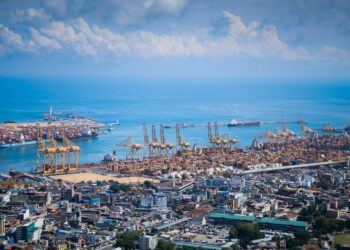
The Tanger Med port complex processed over 9 million TEUs in recent years — establishing itself as the largest port in both Africa and the Mediterranean. Its strategic location places it directly on primary shipping routes between the Mediterranean and the Atlantic, reducing vessel transit times and fuel consumption. Recent investments include deep-water berths capable of accommodating the world’s largest container ships — a move designed to prevent congestion amid rising trade volumes.
The port authority has also deployed digital systems to accelerate cargo handling: automated gate systems and electronic documentation cut ship turnaround time. For manufacturers, this translates into faster throughput and reduced inventory holding costs. According to the report, these efficiencies are foundational to Morocco’s role as a logistical corridor linking North Africa and Europe.
Incentives and Industrial Zones
Morocco’s Industrial Acceleration Zones — including Tangier Automotive City — offer tiered tax relief: full exemption from corporate income tax for the first five years, followed by a reduced 20% rate thereafter, plus a 15-year waiver of the professional (business) tax. These incentives, combined with lower labor and living costs than Poland or Slovakia, materially reduce setup and operating expenses.
A September 2024 decision expanded Tangier Automotive City from 517 hectares to 808 hectares to accommodate new investment. This expansion is part of a broader synergy: the port’s proximity to industrial zones allows raw materials to reach factories within hours — slashing inland transport costs and delay risk. Dedicated highways and rail links, including the Tanger-Kenitra high-speed rail line, further integrate logistics and production.
Free Trade Agreements and Rules of Origin Compliance
Morocco’s network of free trade agreements provides the legal architecture for tariff-free export to key markets. Under the EU-Morocco Association Agreement, most goods enter the European Union duty-free — provided they meet updated rules of origin. Revised protocols were issued by the EU-Morocco Association Council in 2025–2026, superseding guidance from the original 2000 agreement. Exporters must confirm alignment with current requirements, not legacy interpretations.
Morocco also holds FTAs with the United States, Canada, and several other countries — enabling dual-market access. However, compliance is non-negotiable: manufacturers must add sufficient value locally to qualify for preferential treatment. Failure risks retroactive tariffs and supply chain disruption. As the source states, “Many companies partner with local legal and customs experts to navigate these complexities.”
Automotive Clustering and Operational Best Practices
The automotive sector anchors Morocco’s nearshoring success. Global players Renault and Stellantis operate large-scale manufacturing plants in the country — a cluster that drives demand for precision logistics, skilled labor, and supplier integration. This industrial concentration differentiates Morocco from destinations where logistics and production remain siloed.
For companies entering the market, the report recommends concrete actions: utilize the Tanger Med Logistics Park to consolidate shipments and cut per-unit freight costs by up to 15%; partner with local logistics providers who maintain established relationships with port authorities to expedite customs clearance; schedule container arrivals during off-peak hours to avoid congestion and demurrage charges; and implement real-time tracking systems spanning factory floor to European warehouse. The Tanger Med Port Authority offers dedicated support services to help businesses navigate local regulations — reducing time-to-operation.
Source: blog.gettransport.com
Compiled from international media by the SCI.AI editorial team.