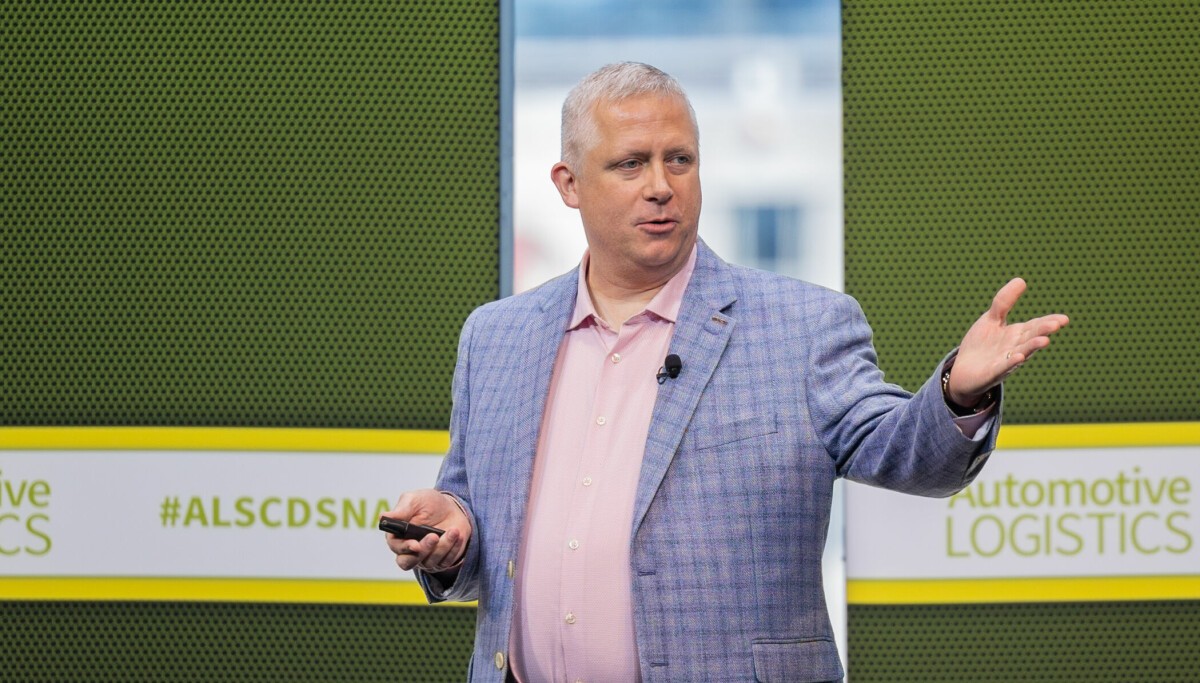
According to www.automotivelogistics.media, Nissan’s IT teams are accelerating digital transformation across manufacturing and supply chain operations in the Americas to support the Re:Nissan recovery plan, which aims to achieve positive operating profitability and free cash flow in its automotive business by FY 2026.
Re:Nissan timeline and strategic anchors
The Re:Nissan plan was officially announced in 2025 as a direct response to persistent margin pressure and a high-cost operational structure. As Steve Smith, director of IT, manufacturing and supply chain management at Nissan Americas, stated at the ALSC Digital Strategies North America event on June 10, IT’s mandate is not merely to maintain systems—but to enable rapid adaptation amid shifting priorities. The plan’s success hinges on measurable financial outcomes: returning the automotive business to sustained operating profitability and generating positive free cash flow within a defined fiscal window—FY 2026.
Data centralisation as resilience infrastructure
A cornerstone of Nissan’s digital pivot is the multi-year effort to consolidate fragmented supply chain data into a unified data lake. Legacy systems across procurement, logistics, and production were systematically decommissioned or integrated, enabling real-time access to supplier, component, and compliance information. This foundational work allowed Nissan to repurpose its Tier-N supplier database—originally built to meet human-rights due-diligence and regulatory compliance requirements—into a dynamic risk-mitigation engine.
As Gerardo de la Torre, Nissan’s regional senior director of supply chain management for the Americas, explained during his Red Sofa interview in Nashville, the database now actively mitigates three distinct operational threats: US tariffs, global semiconductor shortages, and cross-tier cyber disruption. “We turned compliance into competitive advantage,” he said, underscoring how structured, auditable data enables proactive scenario planning—not just reactive reporting.
Real-world impact: Port of Brunswick and tariff response
That advantage materialised concretely in 2025, when US tariffs triggered a measurable dip in vehicle handling volume at the Port of Brunswick in Georgia. Nissan leveraged its centralised supplier intelligence to reroute inbound parts, adjust build schedules, and renegotiate carrier contracts—all within days. The agility stemmed directly from having granular, real-time visibility into Tier-2 and Tier-3 suppliers’ geographic exposure, inventory buffers, and alternative sourcing paths—capabilities enabled by the data lake architecture.
This responsiveness reflects a broader shift: Nissan’s IT function no longer operates as a back-office support unit but as an embedded enabler. According to Smith, IT teams now co-locate with supply chain planners in Mexico and North America hubs to accelerate solution deployment—reducing implementation cycles from months to weeks for critical tools like AI-driven demand sensing and inbound logistics optimisation.
From compliance to competitive edge
De la Torre’s Nashville remarks highlight how regulatory necessity catalysed strategic capability. The Tier-N database wasn’t designed for tariff mitigation or chip shortage forecasting; those use cases emerged organically once data was standardised, cleansed, and made interoperable across functions. Today, it feeds dashboards used by procurement, logistics, and sustainability teams—each interpreting the same dataset through different operational lenses.
The outcome is quantifiable: Nissan reduced average supplier onboarding time by 40% and cut manual audit preparation effort by 75%, according to internal metrics cited in the source. These efficiency gains directly support Re:Nissan’s cost-reduction targets while strengthening resilience against geopolitical and supply shock events—such as the 2025 tariff volatility that affected Georgia port operations.
Source: automotivelogistics.media
Compiled from international media by the SCI.AI editorial team.