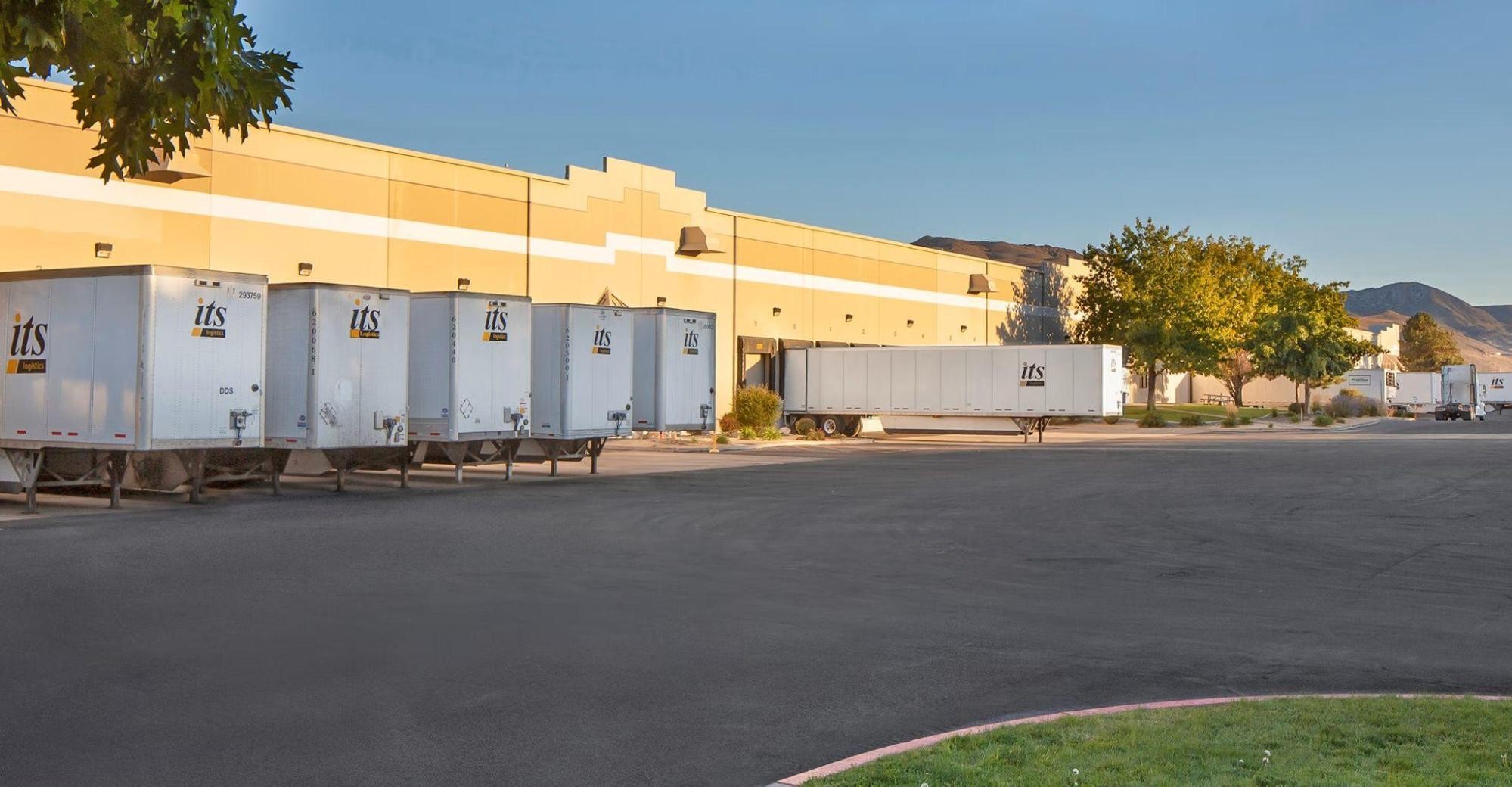
According to FreightWaves, ITS Logistics has doubled its drop-trailer fleet from 2024 to 2025 and projects reaching approximately 13,000 trailers by year-end — a move accelerated by Echo Global Logistics’ acquisition of ITS, which closed in March 2026.
The capacity reckoning is here
Ryan Martin, president of distribution and fulfillment at ITS Logistics, warned shippers that budgeting for flat transportation costs in 2026 is dangerously out of step with reality. “Pain is ahead on the transportation side,” Martin said. “We’ve been seeing the signs building for months. Shippers don’t typically believe it until they start to feel the pain.” That pain is now quantifiable: driver exits, carrier closures, heightened regulatory scrutiny on non-domiciled operators, and surging fuel costs are converging — all while freight demand remains volatile.
For large retailers still projecting flat-year transportation spend, the mismatch could trigger immediate operational strain. U.S. revolving credit card debt has reached a record $1.2 trillion, yet consumer sentiment remains weak — a paradox Martin attributes to persistent economic anxiety fueled by visible price shocks, especially at the pump.
The Great Inventory Cleanup
The post-pandemic inventory overhang is finally receding — but not without structural consequences. Martin noted that products once costing $1.00 now cost $1.52 due to cumulative tariff, transportation, and carrying-cost inflation. This shift has forced brands to prioritize inventory turns more rigorously than ever before.
“Every customer is pushing for better inventory turns due to the cost of inventory increasing, whether that be through tariffs, transportation rates, etc.,” Martin explained. One major brand working with ITS has cut 50% of its product catalog after calculating true carrying costs — a decision rooted in lean-manufacturing logic: “The water level lowers. You can see the rocks in the stream.”
That metaphor reflects how excess inventory had masked inefficiencies; now, with warehouse capacity expanded over the past two years, those inefficiencies are exposed — and accountability falls squarely on General Merchandise Managers, who control millions, if not billions, of dollars in procurement.
Fuel psychology drives consumer behavior
Martin’s “Cheerios vs. Gas” theory underscores a behavioral anchor: consumers rarely track grocery prices precisely — even when Cheerios rose 50% — but fuel prices are impossible to ignore. “When you go to the pump, that resonates with everyone,” he said. Because fuel purchases are frequent, visible, and emotionally charged, spikes to $7 or $8 per gallon in certain regions triggered measurable e-commerce pullback — particularly for higher-end items.
“We definitely saw a dip, and I’ve known enough people and talked to enough people that there was a dip across e-com,” Martin confirmed. “There was definitely a dip especially for higher-end purchases just because of the impact of fuel.” The result is a fragile consumption environment where credit-fueled spending coexists with deep-seated unease.
Drop trailers shift from optional to essential
As shippers grapple with inventory rationalization and tightening capacity, ITS Logistics is treating trailer assets as table stakes. Adam Angle, who leads trailer operations and equipment at ITS Logistics, confirmed the company doubled its fleet between 2024 and 2025 and expects to reach ~13,000 trailers by year-end — with potential further growth following Echo Global Logistics’ acquisition.
“It’s definitely at times table stakes to have assets in these conversations,” Angle said of drop-trailer capabilities. The strategic expansion reflects an industry-wide pivot: trailer availability is no longer a convenience but a prerequisite for reliable execution amid shrinking carrier flexibility and rising dwell-time pressure.
Source: FreightWaves
Compiled from international media by the SCI.AI editorial team.