Explore

  • Trending
  • Latest
  • Tools
  • Browse
  • AI Assistant
  • Subscription Feed

Logistics

  • Ocean
  • Air Cargo
  • Road & Rail
  • Warehousing
  • Last Mile

Regions

  • Southeast Asia
  • South Asia
  • Central Asia
  • Japan & Korea
  • Middle East
  • Europe
  • Russia
  • Africa
  • North America
  • Latin America
  • Australia
SCI.AI
  • Supply Chain
    • Strategy & Planning
    • Logistics & Transport
    • Manufacturing
    • Inventory & Fulfillment
  • Procurement
    • Strategic Sourcing
    • Supplier Management
    • Supply Chain Finance
  • Technology
    • AI & Automation
    • Robotics
    • Digital Platforms
  • Risk & Resilience
  • Sustainability
  • Research
  • Expert Columns
  • English
    • Chinese
    • English
No Result
View All Result
  • Login
  • Register
SCI.AI
No Result
View All Result
Home Risk & Resilience Geopolitics

Dark Fleet Grows to 12% of Global Tankers Amid Sanctions

2026/06/25
in Geopolitics, Risk & Resilience, Trade & Tariffs
0 0
Dark Fleet Grows to 12% of Global Tankers Amid Sanctions

According to www.seatrade-maritime.com, the so-called ‘dark fleet’ — vessels engaged in sanctioned oil trade while evading detection — now comprises 12% of the global tanker fleet, up from earlier estimates and driven by tightening US sanctions and expanded vessel listings.

Sanctions Waiver and Visibility Shift

A recent US sanctions waiver for Iranian crude exports has altered operational patterns: Iranian tankers en route to Asia are now sailing with active AIS transponders, abandoning previous ‘dark’ navigation tactics. This marks a sharp departure from behavior before 28 February, when vessels routinely disabled tracking to obscure origins and destinations. The shift coincides with heightened enforcement — including US Navy Hellfire missile strikes on international tankers in the Gulf of Oman, one of which killed three Indian seafarers.

Scale and Composition of the Dark Fleet

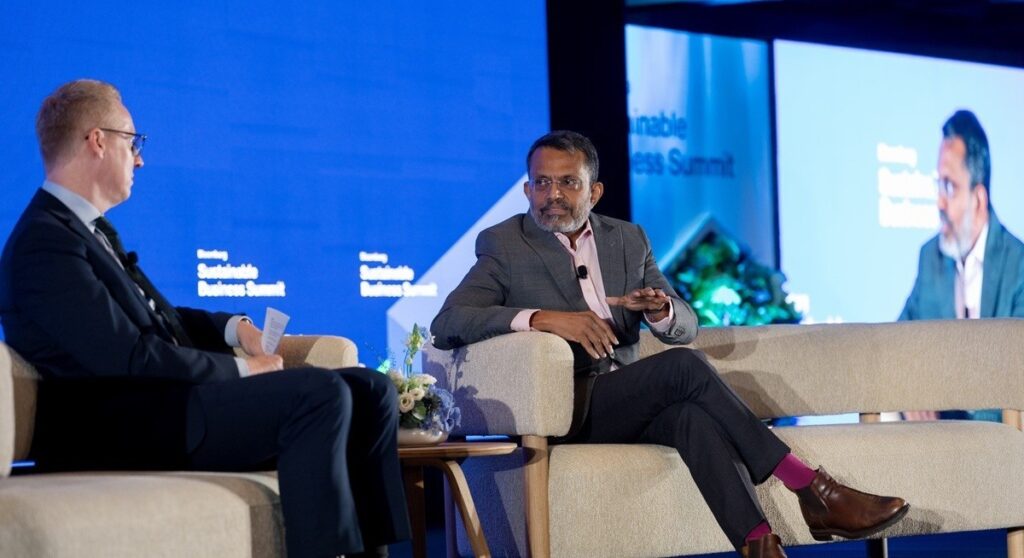
Veson’s Matthew Freeman, VP Valuation & Analytics, confirms the dark fleet continues expanding for two primary reasons. First, sanctions are intensifying: around one hundred vessels have been added to the US Treasury’s Office of Foreign Assets Control (OFAC) sanctions list this year alone. Second, previously legitimate operators enter the dark fleet only after beginning sanctioned cargo trades — meaning vessel ownership alone does not indicate status, but operational intent does.

The exact size remains contested. While the OFAC sanctions list suggests the dark fleet represents 8% of the global tanker fleet, Veson’s broader methodology — incorporating vessels suspected of carrying sanctioned cargoes — places the figure at 12%. This expansion follows the rapid growth triggered by sanctions on Russian oil and gas after the 2022 invasion of Ukraine.

Operational Hotspots and Tactics

Ship-to-ship (STS) transfers remain central to dark fleet logistics, particularly in Malaysia’s Eastern Outer Port Limits (EOPL) anchorage. Satellite imagery and maritime monitoring confirm ongoing STS activity there involving Iranian tankers — even as those vessels now broadcast AIS signals openly. This hybrid approach — transparency on location combined with opacity on cargo origin, destination, and beneficial ownership — complicates regulatory oversight and port state control.

The Strait of Hormuz has also become a flashpoint: Iran declared it closed on 22 June 2026, heightening regional tension and raising insurance and routing costs for commercial shippers. Meanwhile, the flotilla of Iranian tankers heading toward Asian markets operates under the newly granted waiver — yet still relies on established shadow infrastructure, including third-country flag registries and opaque corporate structures.

Industry Implications for Supply Chain Professionals

For supply chain professionals managing energy logistics, the dark fleet’s growth introduces layered risk: compliance exposure, voyage delays due to increased naval interdiction or port denials, and volatility in freight rate benchmarks. Unlike traditional shipping disruptions, this threat stems not from capacity shortages or weather, but from deliberate, state-enabled circumvention of multilateral sanctions regimes. Monitoring tools must now integrate AIS anomaly detection, OFAC list cross-referencing, and real-time vessel ownership mapping — capabilities increasingly embedded in platforms like those offered by Veson.

“The dark fleet is still increasing for two reasons. The first reason was sanctions were tightening and this was seeing more ships being added to sanctions lists.” — Matthew Freeman, VP Valuation & Analytics, Veson

Practitioners report rising due diligence burdens — especially for charterers, insurers, and terminal operators verifying cargo provenance and financial flows. The 12% penetration rate means nearly one in eight tankers globally may be operating outside standard compliance frameworks, demanding proactive, data-driven verification beyond traditional documentation checks.

Source: Seatrade Maritime

Compiled from international media by the SCI.AI editorial team.
More on This Topic

  • Wio Bank shifts SCF focus to ecosystem resilience amid Strait of Hormuz disruption (Jun 25, 2026)
  • KGTL Port Plans $100M Investment After Iran War Cargo Surge (Jun 24, 2026)
  • CSX opens $495M Baltimore double-stack rail tunnel (Jun 24, 2026)
  • Port of Virginia deepens channel to 55 feet in $450M project (Jun 23, 2026)
  • U.S.-Iran Ceasefire Eases Energy Pressures, Logistics Normalization Expected in Months (Jun 23, 2026)
ShareTweet

Related Posts

Wio Bank shifts SCF focus to ecosystem resilience amid Strait of Hormuz disruption
Geopolitics

Wio Bank shifts SCF focus to ecosystem resilience amid Strait of Hormuz disruption

June 25, 2026
2
KGTL Port Plans $100M Investment After Iran War Cargo Surge
AI & Automation

KGTL Port Plans $100M Investment After Iran War Cargo Surge

June 24, 2026
6
CSX opens $495M Baltimore double-stack rail tunnel
AI & Automation

CSX opens $495M Baltimore double-stack rail tunnel

June 24, 2026
4
Port of Virginia deepens channel to 55 feet in $450M project
AI & Automation

Port of Virginia deepens channel to 55 feet in $450M project

June 23, 2026
5
U.S.-Iran Ceasefire Eases Energy Pressures, Logistics Normalization Expected in Months
Disruptions

U.S.-Iran Ceasefire Eases Energy Pressures, Logistics Normalization Expected in Months

June 23, 2026
7
2026 State of Logistics Report: Volatility Is New Normal, $2.4T Costs
Disruptions

2026 State of Logistics Report: Volatility Is New Normal, $2.4T Costs

June 23, 2026
8

Leave a Reply Cancel reply

Your email address will not be published. Required fields are marked *

Recommended

Air Freight Sustainability: AAT’s 33% Emission Cut & IEnvA Certification

Air Freight Sustainability: AAT’s 33% Emission Cut & IEnvA Certification

13 Views
March 24, 2026
Southeast Asia Supply Chain Disruption Drives 20% Order Return to China

Southeast Asia Supply Chain Disruption Drives 20% Order Return to China

24 Views
April 18, 2026
Saudi Arabia’s Logistics Renaissance: How Vision 2030’s Pragmatic Pivot Is Reshaping Middle East Supply Chains

Saudi Arabia’s Logistics Renaissance: How Vision 2030’s Pragmatic Pivot Is Reshaping Middle East Supply Chains

33 Views
February 21, 2026
Supply Chain Automation Success Rate Hits 78%

Supply Chain Automation Success Rate Hits 78%

23 Views
May 15, 2026
Show More

SCI.AI

Global Supply Chain Intelligence. Delivering real-time news, analysis, and insights for supply chain professionals worldwide.

Categories

  • Supply Chain Management
  • Procurement
  • Technology


  • Risk & Resilience
  • Sustainability
  • Research

© 2026 SCI.AI. All rights reserved.

Powered by SCI.AI Intelligence Platform

Welcome Back!

Sign In with Facebook
Sign In with Google
Sign In with Linked In
OR

Login to your account below

Forgotten Password? Sign Up

Create New Account!

Sign Up with Facebook
Sign Up with Google
Sign Up with Linked In
OR

Fill the forms below to register

All fields are required. Log In

Retrieve your password

Please enter your username or email address to reset your password.

Log In

Scan to share via WeChat

Open WeChat and scan the QR code to share

QR Code

Add New Playlist

No Result
View All Result
  • Supply Chain
    • Strategy & Planning
    • Logistics & Transport
    • Manufacturing
    • Inventory & Fulfillment
  • Procurement
    • Strategic Sourcing
    • Supplier Management
    • Supply Chain Finance
  • Technology
    • AI & Automation
    • Robotics
    • Digital Platforms
  • Risk & Resilience
  • Sustainability
  • Research
  • Expert Columns
  • English
    • Chinese
    • English
  • Login
  • Sign Up

© 2026 SCI.AI