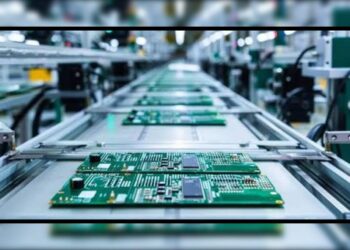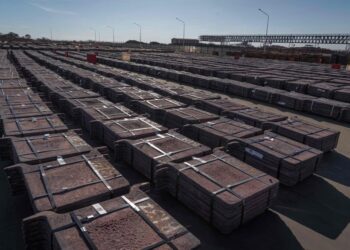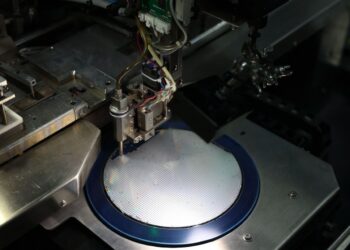
According to www.siliconindia.com, India has joined more than 30 countries—including Chile, Canada, Japan, and Australia—in a coordinated effort to build alternative supply chains for critical minerals, semiconductors, and advanced technologies. The initiative directly responds to Beijing’s tightening export controls on raw materials essential for electric vehicles (EVs), AI systems, defense hardware, and aerospace infrastructure.
Quad-Led $20 Billion Investment Framework
The coalition aligns closely with the Quad grouping—India, Australia, Japan, and the United States—which recently announced a plan to mobilize up to $20 billion in combined public and private investment. This funding targets secure and resilient critical minerals supply chains, with specific emphasis on mining technology, processing infrastructure, and supply chain logistics. According to the report, the Quad initiative aims to reduce dependency on dominant suppliers, stabilize pricing, and strengthen industrial resilience across participating nations.
Strategic Mineral Dependence and Domestic Gaps
India holds domestic reserves of lithium, nickel, cobalt, graphite, rare earth elements, copper, silicon, manganese, aluminum, and silver—but much of these resources are currently allocated to strategic applications managed by organizations such as ISRO. For mass-scale industries like electric mobility and consumer electronics, India remains heavily import-dependent, particularly on China, which controls over 60% of global lithium-ion battery refining capacity and 85% of rare earth element processing (per widely cited USGS and IEA data referenced in industry context). The source states that China maintains a significant cost advantage and strong global refining dominance, making price-matching a structural barrier.
Technology and Trust as Enablers
Beyond trade negotiations, India is pursuing deeper technological collaboration—especially with Australia—to improve expertise in mineral extraction, processing, and refining. These partnerships aim to bridge capability gaps in advanced metallurgy and sustainable mining practices. As one official emphasized:
“Countries need confidence in our systems before they open up sensitive technologies” — unnamed official, Indian government working group
Another official highlighted the commercial hurdle:
“The challenge lies in matching prices and convincing industry to buy from India and partner countries that are working together” — unnamed official, Indian government working group
India is positioning itself as a reliable node in global mineral alliances by emphasizing governance stability, transparent regulatory systems, and long-term policy consistency to attract international investment and technology transfers.
Industry Context and Global Parallel Efforts
This realignment reflects broader shifts observed across major economies. The U.S. Inflation Reduction Act (2022) allocates $7 billion for domestic battery material processing and recycling. The European Union’s Critical Raw Materials Act (2023) sets binding targets—including 10% domestic extraction, 40% processing, and 15% recycling of strategic raw materials by 2030. Meanwhile, Australia’s Critical Minerals Facility has committed AUD 2 billion ($1.3 billion) to support projects from exploration through to value-added manufacturing. India’s participation in the 30+ nation network places it within this accelerating global wave—not as an isolated actor but as a coordinated partner in diversification efforts launched between 2024 and 2026.
Source: www.siliconindia.com
Compiled from international media by the SCI.AI editorial team.