According to www.seatrade-maritime.com, the U.S. Department of Justice (DOJ) unsealed a federal indictment on May 21, 2026, charging four major Chinese container manufacturers and seven executives with criminal violations of the Sherman Antitrust Act. The indictment — originally filed in January 2026 — alleges a coordinated, multi-year scheme to suppress global dry container supply and inflate prices, affecting shippers across North America, Europe, and Asia.
Charged Companies and Executive Leadership
The four manufacturers named are: China International Marine Containers (Group) Co., Ltd. (CIMC); Shanghai Universal Logistics Equipment Co., which marketed containers under the brand name Dong Fang International Containers, Ltd; CXIC Group Containers Co. Ltd; and Singamas Container Holdings. According to the report, Singamas’ Marketing Director Vick Nam Hing Ma, also known as “Vick Ma”, was arrested ahead of the indictment’s public release. Also charged is Teo Siong Seng (SS Teo), Chief Executive Officer and Chairman of Singamas, who simultaneously serves as Chairman of Singapore-based Pacific International Lines (PIL).
Coordinated Output Restrictions and Surveillance
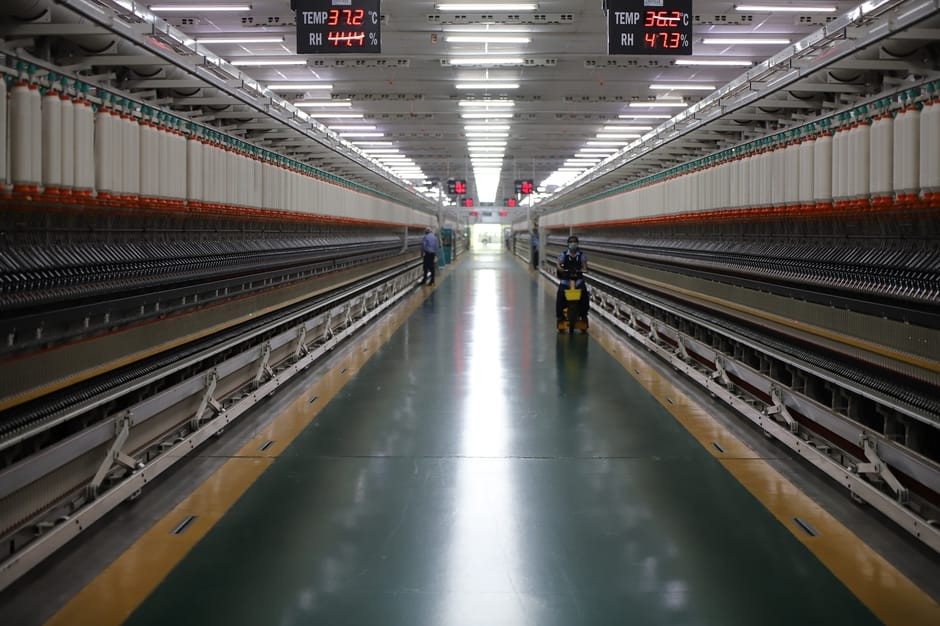
The DOJ alleges that the companies implemented a cartel-style agreement beginning in or around 2022, with specific, measurable operational constraints designed to artificially constrain supply. These included:
- Limiting each standard dry container production line to no more than two shifts per day;
- Installing video surveillance on all dry container production lines to monitor compliance;
- Agreeing not to build any new container manufacturing factories during the conspiracy period;
- Establishing a shared financial penalty fund to fine members for exceeding output caps.
These measures directly impacted global container availability during a period when demand surged post-pandemic and supply chain bottlenecks intensified — a context in which the global container fleet grew by an estimated 18% between 2021 and 2023, yet spot leasing rates for 40-foot dry containers spiked over 300% in early 2022 before stabilizing.
Historical and Regulatory Context
The Sherman Antitrust Act — cited explicitly in the indictment — dates from 1890 and remains the foundational U.S. statute prohibiting anti-competitive agreements. Its invocation underscores the scale and intent of the alleged conduct. This case marks the first time the DOJ has brought criminal antitrust charges against container manufacturers, though parallel investigations into maritime equipment pricing have been underway since 2023, following complaints from U.S.-based ocean carriers and freight forwarders. Notably, industry data from Drewry shows that the top five container manufacturers — including CIMC and Singamas — collectively controlled 82% of global production capacity in 2025, giving them substantial influence over pricing and lead times.
Supply Chain Implications for Practitioners
For supply chain professionals, the indictment reveals tangible vulnerabilities in single-source dependencies for critical logistics assets. Over 95% of the world’s intermodal shipping containers are manufactured in China, with CIMC alone producing more than 1.2 million TEUs annually as of 2025. When output is coordinated across dominant players, procurement teams face constrained negotiation leverage, longer lead times, and elevated total cost of ownership — especially during peak seasons. The DOJ’s action may accelerate diversification efforts: Vietnam’s container production capacity rose 47% year-on-year in Q1 2026, while India approved three new container manufacturing facilities in February 2026 under its Production-Linked Incentive (PLI) scheme. Such developments offer near-term alternatives but cannot offset the immediate disruption caused by enforcement actions targeting core suppliers.
Source: Seatrade Maritime
Compiled from international media by the SCI.AI editorial team.