U.S.-Mexico Trade Surpasses $84 Billion in March
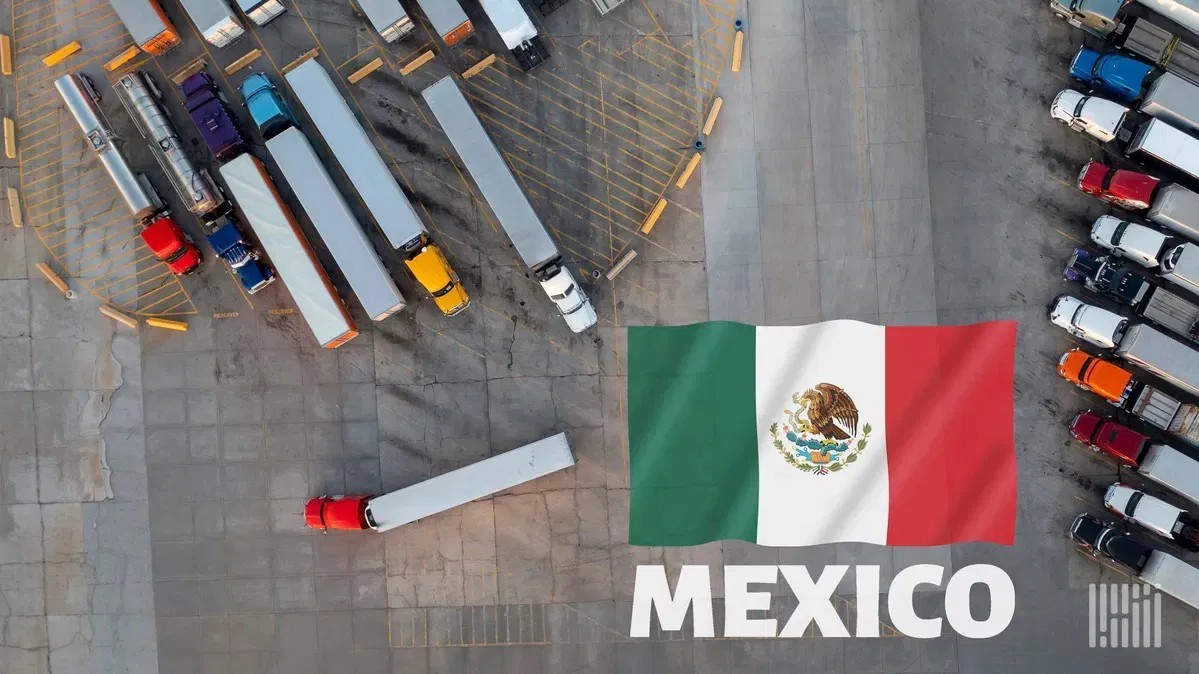
According to FreightWaves, cross-border trade between the United States and Mexico reached $84 billion in March 2026, reaffirming Mexico’s status as the top U.S. trading partner. This figure reflects a 8.6% year-over-year increase, according to U.S. Census Bureau data analyzed by WorldCity. Mexico accounted for approximately 16% of all U.S. global trade during the month, surpassing both Canada and China in bilateral exchange volume.
Top Trade Gateways and Border Crossings
Port Laredo remained the busiest U.S. trade gateway in March, recording $34.3 billion in total commerce—just ahead of John F. Kennedy International Airport at $34.2 billion. Chicago O’Hare International Airport ranked third with $31.9 billion, followed by the Port of Los Angeles at $22.9 billion. The top U.S.-Mexico border crossings by value included:
- Port Laredo: $33.36 billion
- Ysleta-Zaragoza International Bridge: $11 billion
- Pharr International Bridge: $3.96 billion
- Eagle Pass: $3.76 billion
- Nogales Border Crossing: $3.22 billion
Key Export and Import Commodities
Technology and automotive products dominated trade flows. The top U.S.-Mexico exports in March included:
- Computer parts: $2.85 billion, up 82.2% YoY
- Computers: $2.72 billion, up 214% YoY
- Gasoline and fuels: $2.38 billion, down 5.7% YoY
- Motor vehicle parts: $1.54 billion, down 13% YoY
- Computer chips: $1.19 billion, up 5.7% YoY
- Digital storage devices: $871 million, up 87.7% YoY
WorldCity data also confirmed that computers, passenger vehicles, cell phones, computer parts, and motor vehicle parts ranked among the largest import categories entering the U.S. globally in March.
USMCA Review Faces Prolonged Timeline
As trade volumes remain strong, negotiations over the United States-Mexico-Canada Agreement (USMCA) are expected to extend beyond the original July 2026 target. Mexico’s Economy Secretary, Marcelo Ebrard, stated during a forum in Mexico City that the review process could span years rather than months. He added:
“I would be thinking that this review is going to last a little longer and probably lead to non-conclusive reviews over the next 10 years.” — Marcelo Ebrard, Mexico Economy Secretary
Ebrard emphasized that Mexico aims to reduce uncertainty for manufacturers and expand its role in advanced industries, particularly in automotive production and high-value manufacturing. He also noted Mexico’s growing leverage as the largest buyer of U.S. goods.
U.S. Pushes for Stricter USMCA Enforcement
Meanwhile, U.S. Trade Representative Jamieson Greer emphasized during a House Ways and Means Committee hearing that the administration seeks a stronger enforcement framework for USMCA. He stated:
“We need to adjust the rules of origin … to make sure that our manufacturers have an incentive and a comparative advantage.” — Jamieson Greer, U.S. Trade Representative
Greer highlighted Mexico’s recent move to raise tariffs on imports from China and Vietnam as a sign of alignment with U.S. trade policy. U.S. lawmakers are also calling for faster dispute resolution mechanisms and stricter compliance measures related to labor, manufacturing, and market access under the agreement.
Manufacturing Expansion in Arizona
United Foods International, a Japanese-based food ingredients producer, has opened a 126,000-square-foot manufacturing facility in Phoenix, signaling continued investment in nearshoring. The company’s new facility is part of a broader trend in which manufacturers are relocating production closer to U.S. markets to mitigate supply chain risks tied to Asia.
Source: FreightWaves
Compiled from international media by the SCI.AI editorial team.