According to Motorindia, the ongoing disruption in the Strait of Hormuz has triggered a 500% surge in freight rates on India-Gulf trade routes, marking a structural shift in regional logistics. The crisis, driven by escalating geopolitical tensions, has led to a near-total collapse in vessel transits through the strait, with daily movements dropping by over 90%. This has forced global carriers and Indian logistics providers to adopt alternative routing strategies, including a newly emergent ‘Land Bridge’ model that reroutes cargo through regional ports before overland transport across the Arabian Peninsula.
Land Bridge Model Emerges Amid Route Collapse
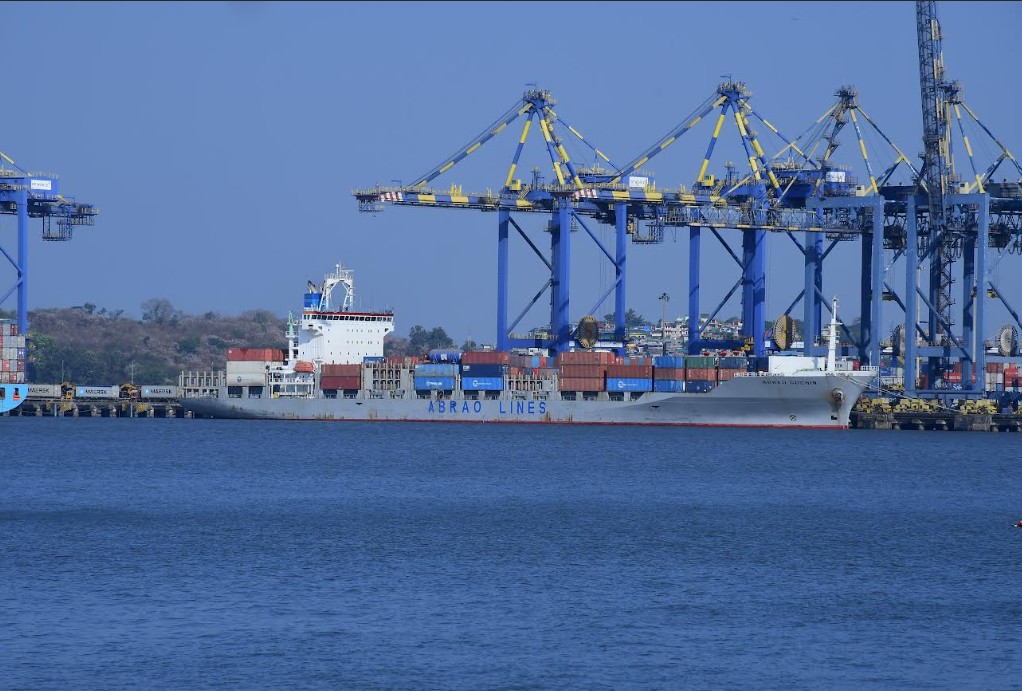
The shift to alternative corridors has significantly increased operational complexity and cost. Cargo is now being diverted through key ports such as Port of Sohar, Port of Salalah, and Port of Jeddah before being transported via road. According to Mr. Jitendra Srivastava, CEO of Triton Logistics & Maritime, trucking surcharges have risen by $1,500 to $2,200 per container. This surge, combined with a 300% to 500% increase in freight rates, has placed immense pressure on Indian exporters and importers. The company, part of the Abrao Group, operates across air, sea, land, warehousing, and project cargo, giving it a comprehensive view of the disruption’s impact.
“What we are seeing is not a temporary dislocation but a structural reset of trade routes; the Strait’s disruption has forced the industry to rethink how cargo flows across the Gulf. The Land Bridge is effective but comes at a significant cost and complexity.” — Jitendra Srivastava, CEO, Triton Logistics & Maritime
Energy Security Under Strain
The crisis has also exposed vulnerabilities in India’s energy supply chains. The Strait of Hormuz has historically carried nearly half of India’s crude oil imports and a major share of its LNG. With Brent crude trading between $110 and $115 per barrel, the government has accelerated diversification, increasing crude imports from the Atlantic Basin—including the United States, Brazil, and Russia. However, the most acute risk lies in LPG, where India maintains a strategic buffer of only 18 to 22 days. This thin reserve has prompted the government to invoke the Natural Gas (Supply Regulation) Order, 2026, which prioritizes domestic consumption and fertiliser production over industrial use.
Industrial Feedstock Squeeze and Economic Ripple Effects
The regulatory shift has led to a pronounced feedstock squeeze in energy-intensive sectors. Petrochemical, glass, and steel industries are currently operating with gas allocations reduced to nearly 70%, forcing difficult trade-offs between production output and cost. Aviation Turbine Fuel (ATF) prices have risen nearly 25% in recent weeks, compelling Indian airlines to introduce fuel surcharges. This escalation is also increasing air cargo rates, adding further pressure on time-sensitive logistics. The combined stress is contributing to sustained depreciation pressure on the Indian Rupee, amplifying the overall cost burden on trade and industry.
Strategic Shifts for Long-Term Resilience
Looking ahead, Mr. Srivastava emphasized that the next 30 to 60 days will remain highly uncertain and dependent on geopolitical developments. He concluded that businesses must adopt hub diversification and distribute inventory across multiple nodes to mitigate risks from future geopolitical chokepoints. “The future will not rely on a single route or hub; businesses must adopt hub diversification and distribute inventory across multiple nodes,” he said. These developments underscore that resilience, flexibility, and strategic planning are now central to India’s logistics and trade ecosystem.
Source: www.motorindiaonline.in
Compiled from international media by the SCI.AI editorial team.