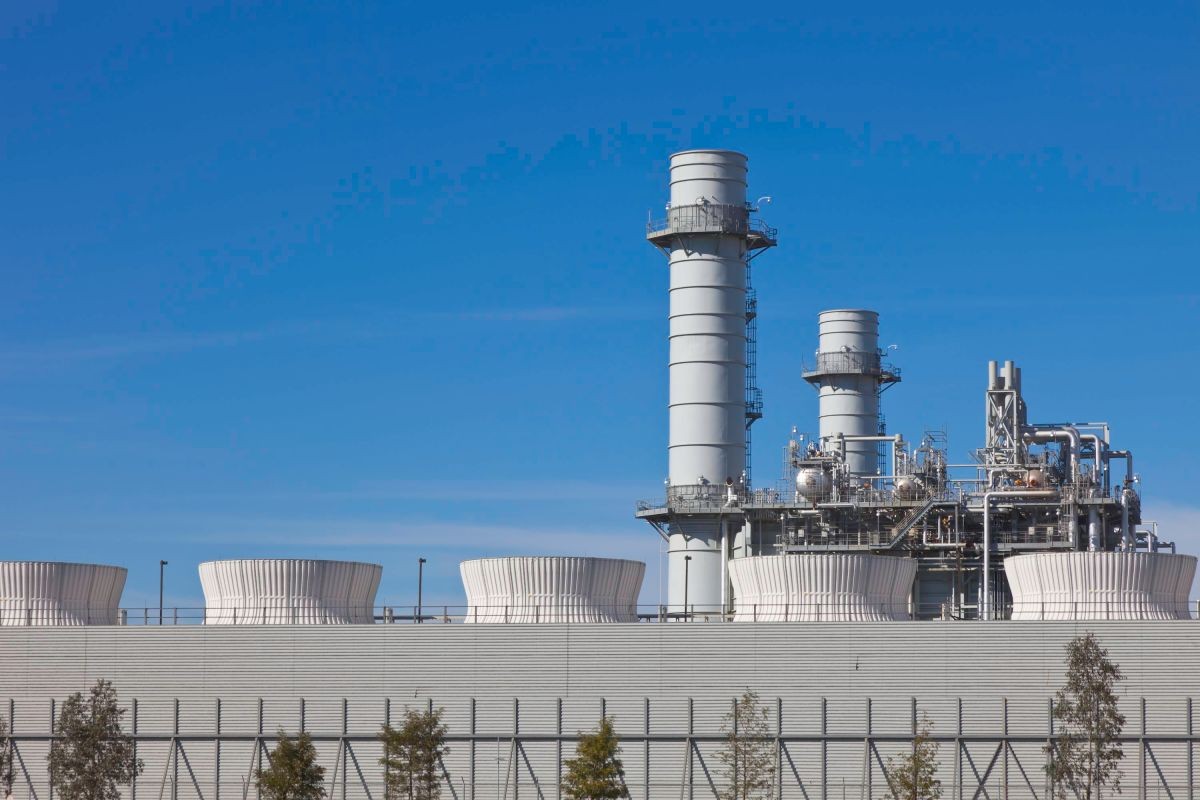
According to techcrunch.com, data center demand has driven a 66% surge in the cost to build natural gas power plants over the past two years — rising from less than $1,500 per kilowatt of generating capacity in 2023 to $2,157 per kilowatt in 2025, per a BloombergNEF report cited in the article.
Rising Costs and Delays Across the Power Infrastructure Supply Chain
The report also notes that construction timelines for new combined cycle gas turbine (CCGT) power plants have lengthened by 23%. This slowdown compounds procurement challenges: gas turbines — which constitute up to 30% of a new plant’s total cost — are facing severe supply constraints. Prices for this critical equipment are projected to reach 195% above 2019 levels by year-end, with manufacturing bottlenecks limiting scalability due to the specialized techniques required. As a result, waitlists for turbine delivery now extend into the early 2030s.
Data Centers as Accelerating Force in Electricity Demand
Data centers are among the fastest-growing electricity consumers globally. Current U.S. demand stands at 40 gigawatts, but new additions are expected to push total demand to 106 gigawatts by 2035 — a 2.7x increase. The scale of facilities is shifting dramatically: while only 10% of existing data centers are 50 megawatts or larger, the average planned facility over the next decade will exceed 100 megawatts.
Strategic Shifts Among Tech Giants
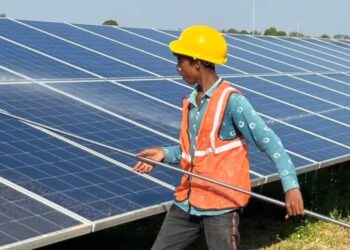
Tech companies including Microsoft and Meta have increasingly turned to on-site natural gas generation, partly in response to regulatory pressure — such as the Trump administration’s call for data center operators to “bring their own power.” However, not all firms are following this path. Google is pursuing an alternative strategy centered on renewables paired with long-duration energy storage, including Form Energy’s iron-air batteries capable of discharging electricity for up to 100 hours. Unlike gas turbines, solar panels and batteries have seen sustained cost reductions over time.
Supply Chain Implications for Global Practitioners
For global supply chain professionals, this dynamic signals mounting pressure on energy-related infrastructure procurement. Long lead times for turbines, rising capital expenditures, and public backlash against data center siting affect site selection, power sourcing strategies, and ESG reporting obligations. Utilities’ practice of passing new generation costs to end customers further complicates commercial negotiations with data center tenants and raises exposure to regulatory and reputational risk. Meanwhile, the pivot toward renewables-backed solutions introduces new dependencies — on battery raw materials, grid interconnection capacity, and storage technology suppliers — requiring updated supplier risk assessments and diversification planning.
Source: TechCrunch
Compiled from international media by the SCI.AI editorial team.