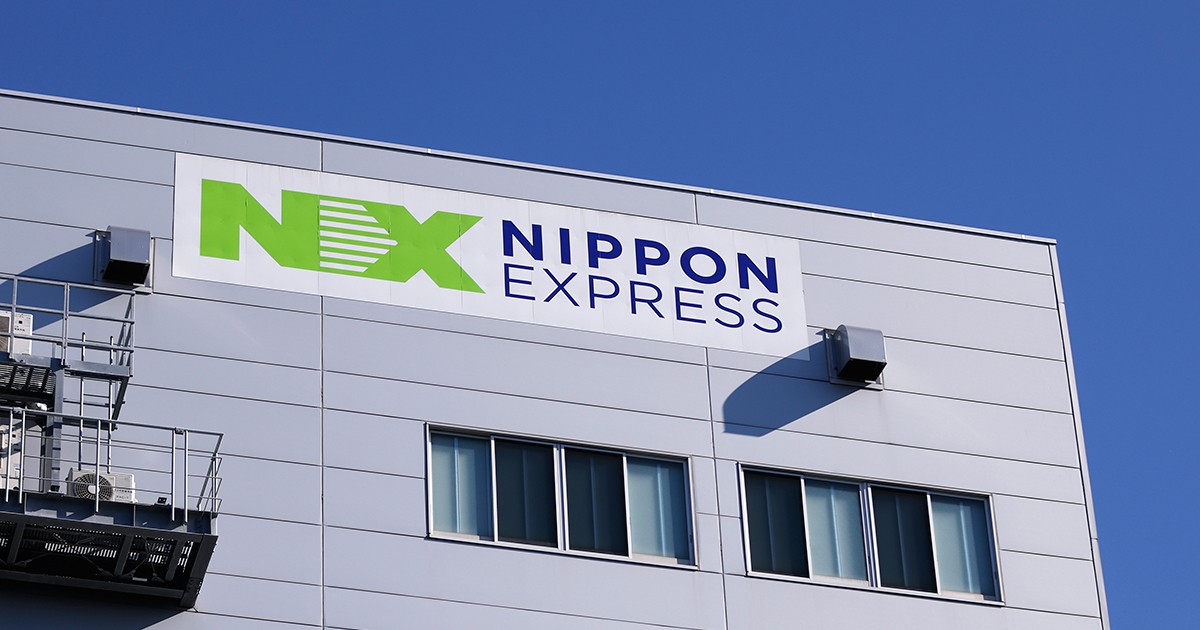
According to www.ttnews.com, Nippon Express Holdings Inc. agreed on April 17, 2026, to acquire Canada-based Metro Supply Chain Group for up to C$2.2 billion ($1.6 billion) to strengthen its logistics presence in North America.
Deal Structure and Timing
The acquisition comprises an enterprise value of C$1.8 billion, plus a potential earnout payment of up to C$400 million in cash, contingent on Metro Supply Chain achieving certain financial indicators. The final purchase price will be adjusted based on Metro’s net debt and net working capital at closing. The transaction is expected to close between July and December 2026.
Strategic Positioning in North America
Nippon Express (North America) currently ranks No. 58 on the Transport Topics Top 100 Logistics Companies in North America list. Metro Supply Chain ranks No. 53. Their combination unites two Top 100 North American logistics firms — a consolidation that directly expands Nippon Express’s geographic footprint, service capabilities, and client base across Canada and the U.S.
Financial and Operational Context
Nippon Express is assessing the impact of the acquisition on its fiscal 2026 business forecast. On April 17 — prior to the announcement — Nippon Express shares closed at 3,847 yen; the stock had gained 15% year-to-date. The company did not disclose integration timelines, workforce plans, or technology harmonization details in the source material.
Industry Context for Supply Chain Professionals
This acquisition follows a broader trend of Asian logistics providers deepening North American investments: DHL expanded its U.S. warehouse network by 2.1 million sq. ft. in 2025; UPS acquired freight tech firm Kargo in 2024 to bolster multimodal visibility. Metro Supply Chain serves clients across retail, consumer packaged goods, and industrial sectors — sectors where inventory velocity, regional distribution density, and customs-compliant cross-border flows are critical. For practitioners, the deal signals heightened competition for integrated contract logistics capacity in Canada and the northern U.S., particularly in omnichannel fulfillment and nearshoring-support infrastructure.
Source: Transport Topics
Compiled from international media by the SCI.AI editorial team.