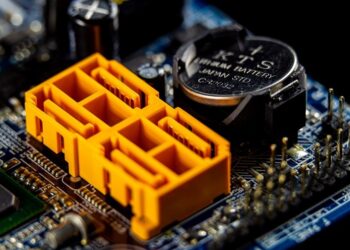
According to www.fortunebusinessinsights.com, the Japan semiconductor market size is valued at USD 48.20 billion in 2025 and is projected to grow from USD 54.29 billion in 2026 to USD 175.25 billion by 2034, at a CAGR of 15.8% during the forecast period.
Market Drivers and Structural Shifts
Japan’s semiconductor industry is entering a renewed growth phase driven by industrial realignment, increased capital spending, and stronger policy backing. Key growth catalysts include expanding domestic fabrication capacity, strategic partnerships attracting advanced-node investment, strengthening domestic innovation in critical components, and rising demand for automotive, industrial, and data-centric chips. The source states that government subsidies, tax incentives, and infrastructure programs are actively encouraging next-generation fabs and long-term strategic capability across the industry.
Application-Specific Demand
Automotive electronics remain the most dominant catalyst: Japanese OEMs continue integrating semiconductors into safety electronics, electrified powertrains, telematics, ADAS control systems, and intelligent cockpit functions. This dynamic accelerates demand for MCUs, sensors, analog ICs, high-voltage switching devices, power modules, and safety chips — reinforcing Japan’s positioning as a global automotive semiconductor hub.
Industrial modernization also drives significant usage. Factories adopting advanced robotics, intelligent systems, and energy-efficient automation platforms rely on precision sensors, analog ICs, power management modules, and real-time processing units. As Japan advances its smart manufacturing transformation, industrial automation consistently expands the market size and creates opportunities for high-reliability components.
Technology and Capability Trends
Key trends shaping the industry include:
- Increasing adoption of silicon carbide and gallium nitride power devices
- Higher deployment of embedded intelligence in automotive and industrial systems
- Investments in advanced packaging, 3D integration, and chiplet architectures
- Growth of AI, HPC, and edge computing workloads
- Rising emphasis on supply-chain resilience and domestic manufacturing
The Japan semiconductor market share is influenced by the country’s unique leadership in optical imaging, silicon carbide power devices, and precision analog components — high-value segments supporting national initiatives to enhance supply-chain resilience and reduce dependence on foreign fabrication nodes.
Major Players and Enablers
Major players operating in the Japanese semiconductor market include Renesas Electronics Corporation, Sony Semiconductor Solutions, Kioxia Holdings, Rohm Semiconductor, and Toshiba Electronic Devices. These companies continue to expand semiconductor manufacturing capabilities, invest in next-generation chip technologies, and deepen international collaborations.
Domestic manufacturers benefit from structural advantages including highly specialized materials suppliers, world-class equipment makers, and a robust network of engineering SMEs supporting R&D and production scale. The source notes that Japan’s foundational expertise in materials, equipment, and precision engineering ensures its continued crucial role in the global semiconductor ecosystem.
Challenges and Constraints
Market restraints cited include limited domestic foundry capacity compared to global competitors, high capital expenditure required for advanced node production, and exposure to global supply chain disruptions and specialized equipment dependencies.
Source: www.fortunebusinessinsights.com
Compiled from international media by the SCI.AI editorial team.