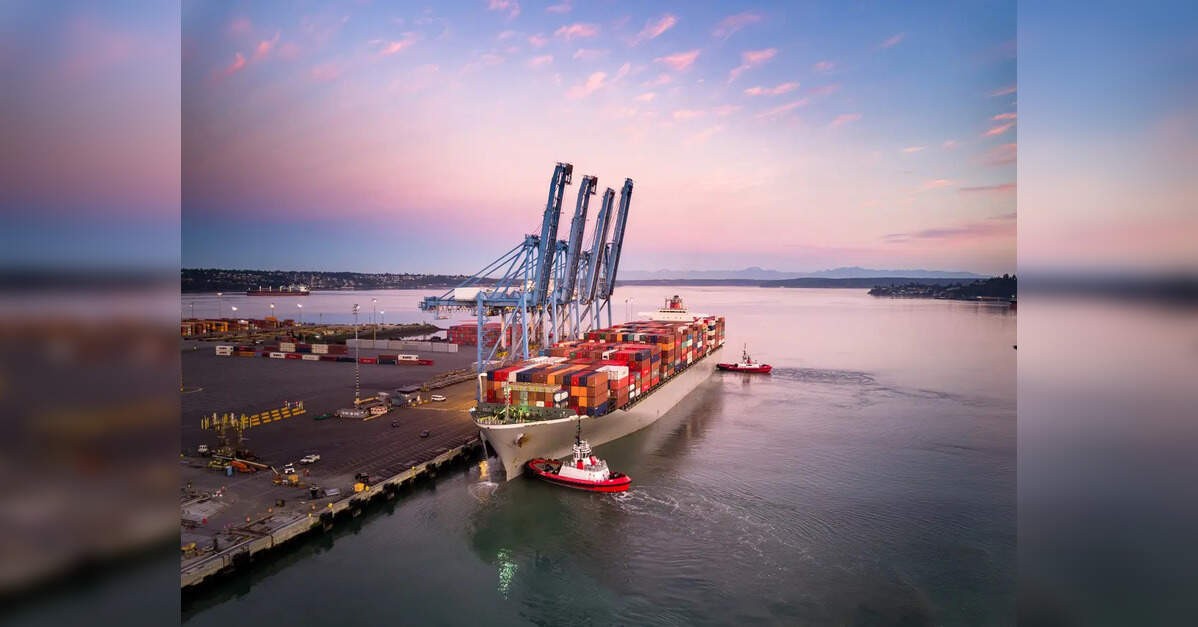
According to infra.economictimes.indiatimes.com, the Iran war severely disrupted commercial shipping and trade flows in early 2026, prompting India’s Ministry of Ports, Shipping and Waterways to direct state-owned major port authorities—including Jawaharlal Nehru Port Authority (JNPA)—to grant concessions on detention charges, ground rent, and reefer plug-in charges for stranded export containers.
JNPA’s Relief Measures and Implementation Gaps
In early March 2026, JNPA—India’s largest container gateway by capacity—ordered terminal operators to provide a 100 per cent waiver on ground rent/dwell time charges and an 80 per cent concession in reefer plug-in charges. It also directed shipping lines, non-vessel operating common carriers (NVOCCs), and freight forwarders to pass these benefits directly and transparently to exporters. A circular issued by the Directorate General of Shipping on 8 April 2026—its third such directive in one month—underscored this mandate, highlighting regulatory difficulty in a free-market shipping ecosystem.
JNPA further facilitated the Back-To-Town movement of stranded containers in close coordination with Jawaharlal Nehru Custom House, provided additional storage space inside the port, arranged temporary transhipment, deployed ad hoc vessels to alternative ports and routes, and allowed vessels bound for the Middle East to anchor at JN Port free of charge.
Exporter Struggles and Systemic Noncompliance
Despite these measures, exporters reported widespread delays in receiving relief. Shipping lines, NVOCCs, and freight forwarders failed to implement the concessions in practice. As one trade source explained:
“The containers are like 10-15 years old, and they are levying ₹2-2.5 lakh rupees for detention, and the container is stuck for 10-15 days. In normal circumstances, they always offer 14-15 days free storage period.”
A Nashik-based agri startup recounted how its onion-laden container remained stranded at a JN Port terminal after a vessel sailed without loading it post-war outbreak. Its Back-To-Town request took nearly 20 days to process after JNPA’s 8–9 March trade notice. The startup official described a cycle of deflection: “When I reached out to the terminal operator, they said you don’t have a direct connection with me, you approach the shipping line. The shipping line said you have not booked the container—some agent booked it, so you come through them.” Ultimately, the startup paid ₹1,70,000 to retrieve the container, only to find perishable cargo spoiled and forced to sell salvage domestically at a loss.
Regulatory Limitations Exposed
The episode revealed structural constraints: major Indian ports—including JNPA—were previously overseen by a rate regulator until 2021, when a new law dismantled that body and shifted tariff-setting to market forces. As a result, port authorities can issue trade circulars but lack enforcement power over commercial pricing set by private actors. As one trade source observed:
“The government and the port authorities are trying their level best. But they have limitations, especially when it comes to dealing with shipping lines and NVOCCs.”
Port costs constitute less than 5 per cent of the total maritime logistics chain, while unregulated shipping freight—outside any authority’s control—accounts for the larger share. Thousands of containers, including reefer units carrying fruits, onions, and eggs, were stranded during the disruption. Though JNPA granted waivers to compensate exporters, compliance depended entirely on voluntary cooperation from market-linked players—none of whom faced penalties for noncompliance.
Source: infra.economictimes.indiatimes.com
Compiled from international media by the SCI.AI editorial team.