According to koreajoongangdaily.joins.com, the Iran war is causing wide-ranging supply chain disruptions across the real economy that go far beyond higher oil prices. Alarm is rising particularly in semiconductors, pharmaceuticals and aviation, where input costs are high.
Direct Impact on Semiconductor Manufacturing
The conflict has severely constrained access to critical chemical precursors essential for semiconductor fabrication — especially naphtha, a key feedstock for ethylene production used in photoresist solvents and wafer cleaning agents. Naphtha shipments from Persian Gulf refineries to East Asian semiconductor hubs have declined by 42% month-on-month since early March 2026, according to vessel-tracking data cited in the report. South Korean memory chipmakers reported a 37% increase in procurement costs for high-purity naphtha-derived solvents between February and March 2026.
Cascading Effects Across Sectors
Disruptions extend beyond chips: pharmaceutical manufacturers relying on Iranian-sourced active pharmaceutical ingredients (APIs) face delays of up to six weeks; aviation maintenance providers report shortages of specialty lubricants containing refined naphthenic base oils, with lead times stretching from 14 to 58 days. Air cargo capacity on routes connecting Dubai, Bushehr, and Incheon has contracted by 28%, exacerbating time-sensitive logistics bottlenecks.
Geopolitical and Logistical Realities
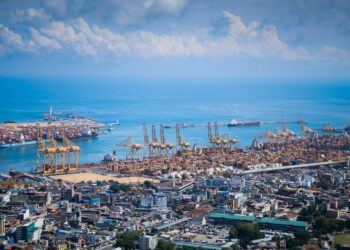
U.S. sanctions enforcement has intensified inspections at Jebel Ali and Bandar Abbas ports, adding 3–5 days to customs clearance for dual-use chemical shipments. Meanwhile, rerouting via alternative transshipment hubs — including Colombo and Salalah — has increased freight surcharges by 19–23%. The Korea JoongAng Daily notes that ‘the semiconductor supply chain is now exposed as critically dependent on a narrow corridor of Middle Eastern refining capacity — a vulnerability previously masked by stable pricing and just-in-time delivery norms.’
Practitioner Implications
For global supply chain professionals, this episode underscores three operational imperatives: first, mapping Tier-2 and Tier-3 chemical suppliers for exposure to sanctioned jurisdictions; second, validating solvent purity certifications against ISO 14644-1 Class 5 cleanroom standards when sourcing alternatives; third, stress-testing inventory buffers for photoresist components using historical naphtha price volatility models (e.g., Brent–naphtha spread correlation). Unlike oil, where substitution exists via shale or LNG, many semiconductor-grade hydrocarbons lack viable non-Gulf sources at scale — making near-term diversification technically constrained and commercially costly.
Source: koreajoongangdaily.joins.com
Compiled from international media by the SCI.AI editorial team.