According to en.sedaily.com, Qatar’s declaration of force majeure on liquefied natural gas (LNG) supplies has triggered cross-sectoral supply chain concerns across South Korea — particularly in semiconductors, steel, and shipping — with ripple effects already visible in helium markets and maritime logistics.
Helium Shortage Looms for Semiconductor Manufacturing
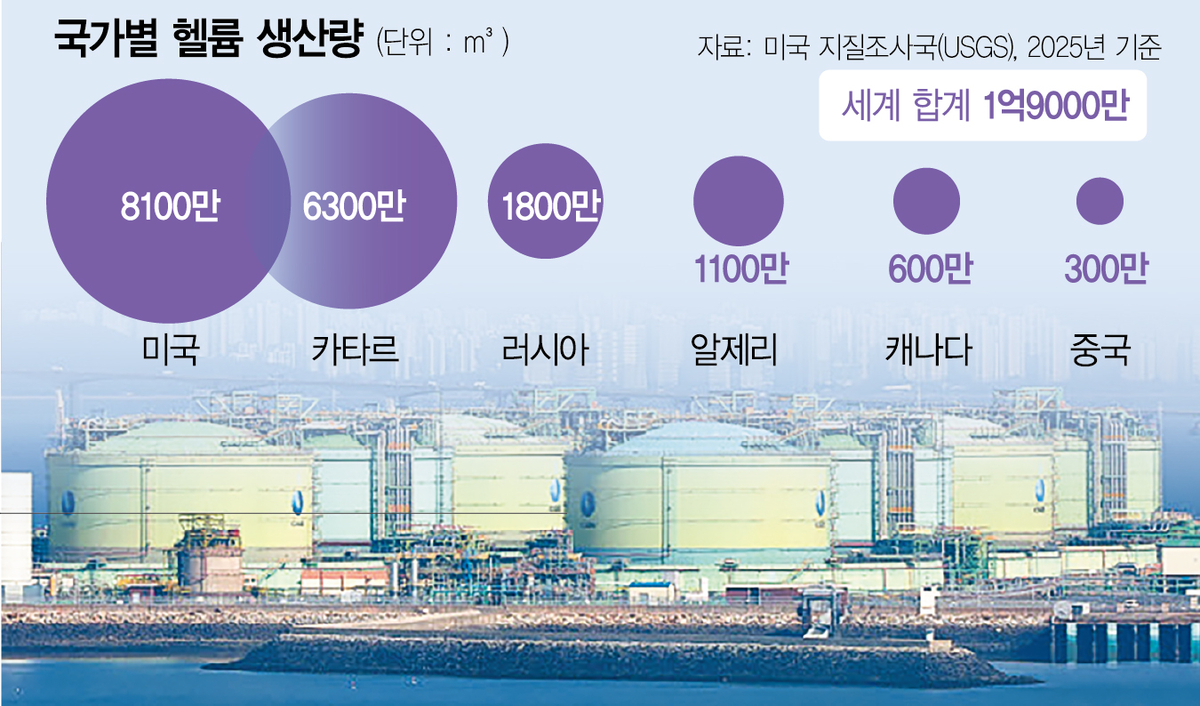
Helium — a critical inert gas used for wafer cooling and precision processes in advanced chip fabrication — is produced as a byproduct during LNG refining and liquefaction. With South Korea importing 65% of its helium from Qatar, the force majeure at QatarEnergy’s Ras Laffan LNG facility poses acute risk: that facility accounts for one-third of global helium supply, according to IBK Investment & Securities. While domestic semiconductor firms hold approximately six months’ worth of helium inventory and have secured some alternative sources, the procurement environment is deteriorating rapidly. Helium spot prices surged 100% in just two weeks.
“If the dispute drags on, it could escalate into a bottleneck risk for advanced semiconductor manufacturing and AI infrastructure buildout.” — Lee Dong-wook, researcher at IBK Investment & Securities
Steelmakers Face Dual Energy & Process Exposure
South Korean steel producers face exposure through both energy and process inputs. Hyundai Steel uses LNG to generate captive power at its Dangjin steelworks. POSCO (005490.KS), while relying primarily on blast furnace byproduct gases for energy, also utilizes LNG to a lesser extent. Disruptions in LNG supply could therefore affect not only electricity generation but also thermal processing steps requiring stable, high-purity fuel sources.
LNG Shipping Contracts Under Strain
Three major Korean shipping firms — Pan Ocean (028670.KS), H-Line Shipping, and SK Shipping — collectively operate 15 vessels under long-term charter contracts with QatarEnergy. Most charters guarantee fixed fees regardless of cargo loading, insulating operators from immediate revenue loss. However, one SK Shipping vessel positioned inside the Strait of Hormuz faces potential contract termination. Broader implications include increased working capital pressure if alternative routes — longer or more costly — are adopted, especially amid scheduled loan principal and interest repayments tied to ship financing.
Geopolitical Shifts Reshape Energy Sourcing Strategy
The crisis coincides with new cost pressures in Middle Eastern energy transit: Iranian authorities reportedly began charging up to $2 million (≈3 billion won) per passage through the Strait of Hormuz, effective Saturday local time. This toll erodes the traditional economic advantage of Middle Eastern crude and LNG — previously favored for shorter shipping distances versus North American or African alternatives. Analysts note that even a temporary U.S.-Iran ceasefire would not eliminate structural vulnerability, as recurring tensions threaten energy infrastructure reliability. Consequently, long-term energy contracts with the region now carry heightened geopolitical risk.
- South Korea’s helium import dependency: 65% from Qatar
- Ras Laffan LNG facility’s global helium share: one-third
- Helium spot price increase: +100% in two weeks
- Korean LNG carrier charters with QatarEnergy: 15 vessels (5 each for Pan Ocean, H-Line, SK Shipping)
- Hormuz Strait transit fee: $2 million per passage
Source: en.sedaily.com
Compiled from international media by the SCI.AI editorial team.