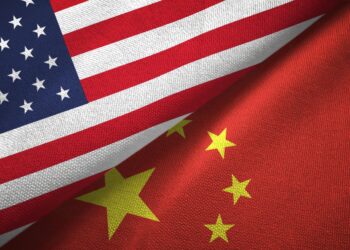
The Trump administration’s recent initiation of trade investigations against Mexico and China has set off alarm bells across global supply chains. These investigations, which are being conducted under Section 301 of the Trade Act of 1974, aim to address concerns over unfair trade practices and industrial overcapacity. This article delves into the implications of these probes, examining their potential impact on the global supply chain landscape.
The Context of Trade Tensions
The U.S. government’s decision to target 16 trading partners, including Mexico and China, stems from allegations of excessive manufacturing and subsequent exports to the U.S. market. The USTR’s investigation is based on the premise that these countries are producing more goods than their domestic markets can absorb, leading to the exportation of surplus goods to the U.S. This practice, according to the U.S. government, is suppressing wages, distorting prices, and discouraging investment in U.S. factories.
- 16 countries are under investigation, including major players like China, the European Union, Mexico, and Japan.
- The investigation is based on the Section 301 of the Trade Act of 1974, which allows the U.S. government to impose tariffs or other trade penalties if foreign policies are found to harm domestic commerce.
- The probe aims to address concerns over unfair trade practices and industrial overcapacity, which are seen as undermining American manufacturing.
Impact on Global Supply Chains
The initiation of these trade probes is expected to have significant implications for global supply chains. As the U.S. government seeks to address what it perceives as unfair trade practices, it is likely to disrupt existing trade flows and affect the cost structures of businesses across the globe.
One of the primary concerns is the potential for increased tariffs. If the USTR finds that the targeted countries are engaging in unfair trade practices, the U.S. government could impose tariffs on goods imported from these countries. This could lead to higher costs for businesses that rely on these imports, potentially leading to increased prices for consumers.
- Increased tariffs could lead to higher costs for businesses relying on imports from the targeted countries.
- The investigation could lead to disruptions in existing trade flows, affecting the global supply chain landscape.
- Businesses may need to explore alternative sourcing options, which could lead to supply chain inefficiencies and increased costs.
The Role of Technology in Mitigating Risks
In the face of these trade tensions, businesses are increasingly turning to technology to mitigate risks and adapt to changing trade landscapes. Advanced supply chain management systems, for example, can help businesses identify alternative sourcing options and optimize their supply chain networks to minimize the impact of trade disruptions.
Blockchain technology, with its ability to provide transparency and traceability, is also being explored as a means to ensure the integrity of global supply chains. By providing a decentralized and immutable ledger of transactions, blockchain can help businesses verify the origin of goods and ensure compliance with trade regulations.
- Advanced supply chain management systems can help businesses identify alternative sourcing options and optimize their supply chain networks.
- Blockchain technology can provide transparency and traceability, ensuring the integrity of global supply chains.
- AI and machine learning algorithms can be used to predict market trends and anticipate changes in trade policies, helping businesses stay ahead of potential disruptions.
The Future of Global Trade
The trade probes initiated by the Trump administration are a stark reminder of the complexities and uncertainties of the global trade landscape. As trade tensions continue to escalate, it is crucial for businesses to stay informed and adaptable, leveraging technology to navigate the changing tides of global trade.
While the immediate impact of these trade probes is uncertain, one thing is clear: the global supply chain landscape is undergoing a significant transformation. Businesses that can adapt to these changes and leverage technology to mitigate risks will be better positioned to thrive in the future.
Expert Insight
‘The trade probes are a sign of the increasing complexity of global trade relations. Businesses need to be proactive in understanding and adapting to these changes to ensure their supply chains remain resilient.’ — John Smith, Senior Analyst, Global Trade Insights
Conclusion
The trade probes initiated by the Trump administration represent a significant challenge to the global supply chain landscape. As businesses navigate these uncertainties, it is crucial to remain informed and adaptable, leveraging technology to mitigate risks and adapt to changing trade landscapes.
Source: www.freightwaves.com
This article was AI-assisted and reviewed by our editorial team.