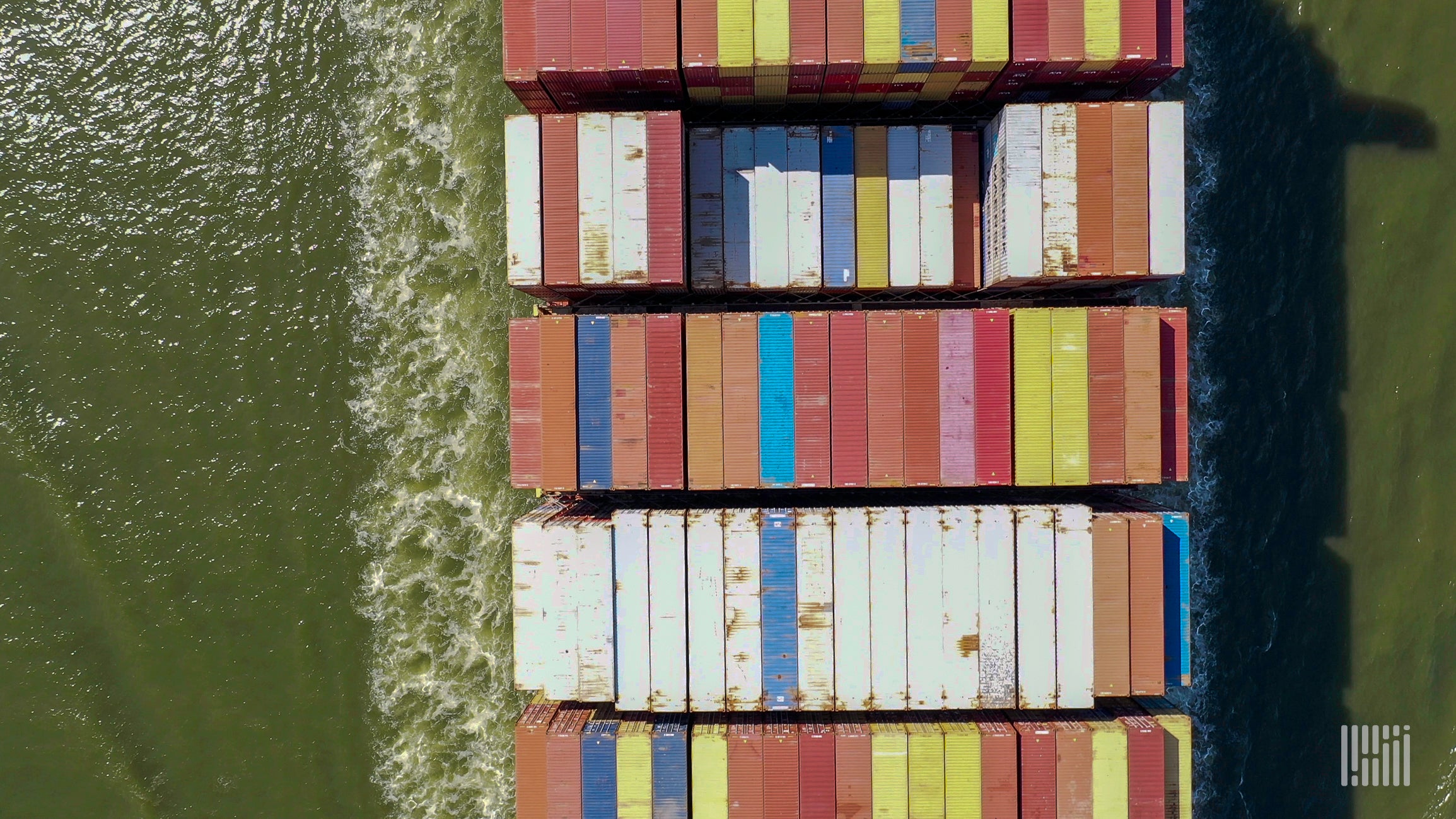
Retailers and manufacturers are seeking to mitigate potential billion-dollar losses if members of the International Longshoremen’s Association (ILA) go on strike at 13 major East Coast and Gulf Coast ports starting from October 1.
The contract between the ILA, which represents about 25,000 workers covering ports from Boston to Houston, and the United States Maritime Alliance, which negotiates on behalf of port, terminal, and shipping line operators, expires at midnight on September 30. The ILA states that this agreement covers workers across these regions.
Billions of dollars worth of imports, including automobiles and light trucks, electronics, foodstuffs, apparel, jewelry, and agricultural products, enter the U.S. through East Coast and Gulf Coast ports.
National Retail Federation (NRF) members have been concerned about the possibility of a strike for months, according to Jonathan Gold, NRF’s vice president of supply chain and customs policy.
“Many companies are taking steps to mitigate potential impacts by front-loading shipments or accelerating transport ahead of peak shipping seasons, or shifting products back to West Coast ports,” Gold wrote on the NRF website Tuesday. “Since April, U.S. port imports have been at or above 2 million TEUs (twenty-foot equivalent units), with September expected to reach 2.31 million TEU – a level not seen since 2022.”
Gold also noted that a strike could disrupt retailers’ holiday season inventory preparations and affect manufacturers and farmers who rely on raw materials for operations.
“For retailers, this means holiday-season goods may not arrive on time. Manufacturers might not receive the components, materials, and supplies needed to keep assembly lines running, while farmers will struggle to export their products overseas, potentially leading to sales losses,” Gold stated.
Major ports like Savannah (Georgia) and Houston bring in substantial amounts of material for U.S. manufacturers, including auto parts, heavy machinery, steel, timber, and other goods.
Related Content: ILA Returns to Strike Mode Half a Century Later
National Association of Manufacturers (NAM) officials say that a prolonged strike could be devastating to the industry.
“Any disruption resulting from negotiations between the United States Maritime Alliance and the International Longshoremen’s Association will immediately impact manufacturing supply chains,” Christopher Netram, NAM’s vice president for policy management, recently told CNBC. “Shut-downs at East Coast and Gulf Coast ports will disrupt logistics for U.S. businesses and hinder the flow of goods that millions of Americans rely on. If parts and supplies don’t arrive on time, costs will rise, and manufacturing jobs could be lost.”
Paul Brashier, vice president of drayage and intermodal at ITS Logistics, stated that this labor dispute has already affected global logistics providers and transportation operators.
“U.S. East Coast and Gulf Coast ports handle billions in trade each month, accounting for about 43% of all U.S. imports,” Brashier said in ITS Logistics’ September U.S. Ports/Rail Freight Index. “As we wait for negotiations to conclude, industry professionals should be aware that with containers moving through the North American supply chain, we will see increased inland drayage demand, rail congestion, and other operational issues throughout September.”
Source: FreightWaves