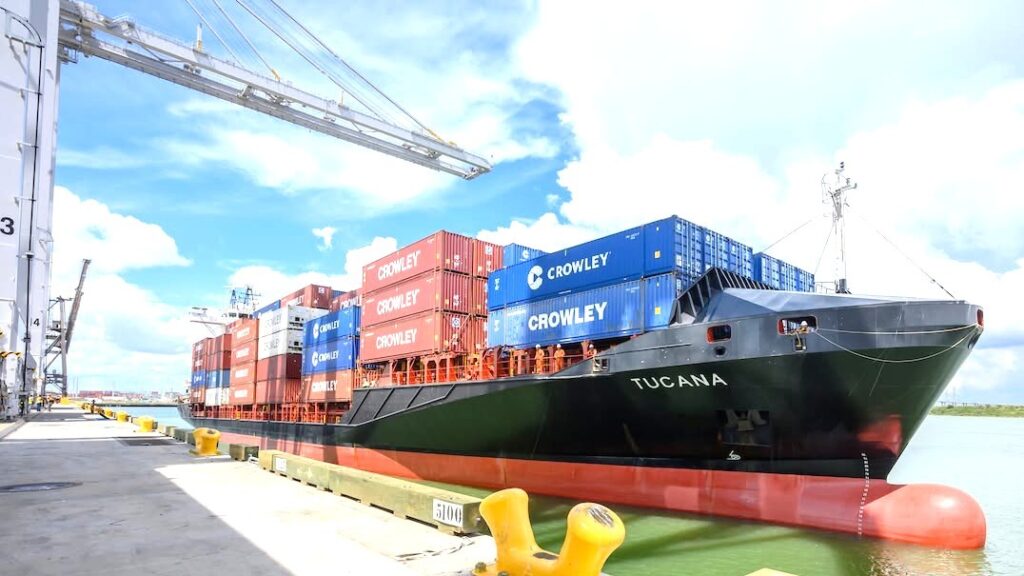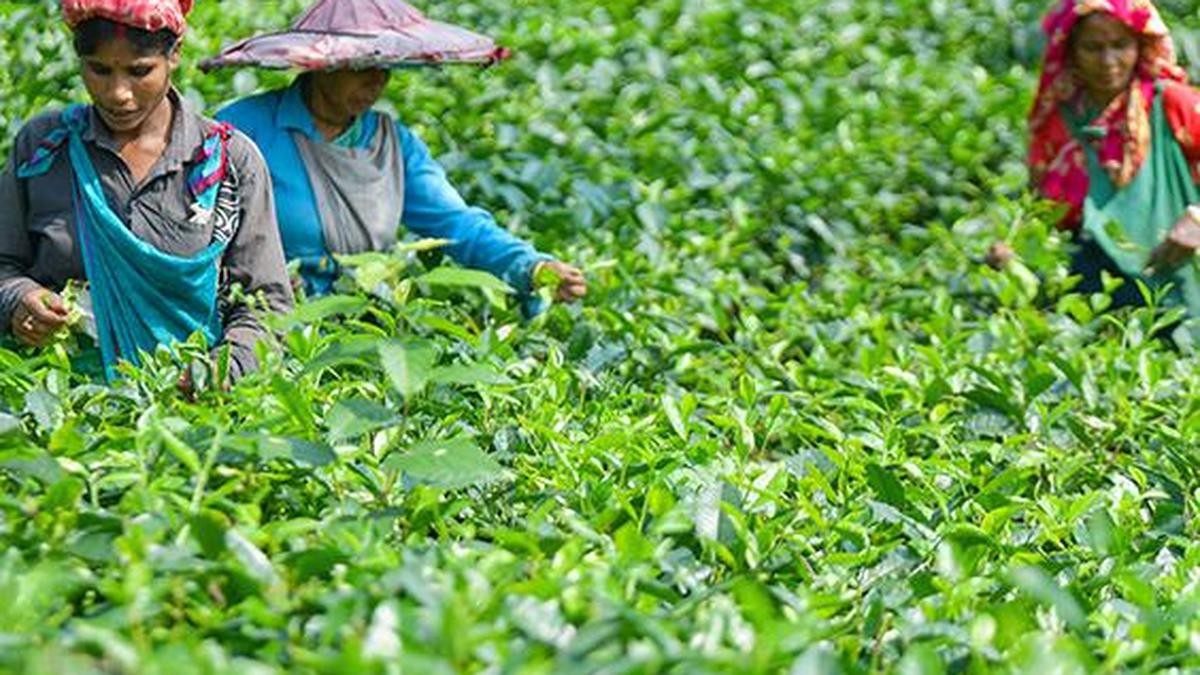
According to thehindubusinessline.com, India’s tea exports are projected to decline by 20 per cent year-on-year this year due to sharply higher freight rates and widespread logistics disruptions tied to the prolonged West Asia crisis.
Export Volume Decline and Market Pressures
The country’s total tea exports fell 16.11 per cent year-on-year to 128.56 million kgs during January–July this year. Exporters warn that 2026 may prove one of the worst years for Indian tea shipments in decades — worse, according to some, than the pandemic period. Anish Bhansali, partner at Bhansali & Co., a major tea exporter, stated:
“This year is probably one of the worst years we have had in a long time because of the logistic issues—probably even worse than the Covid period. Shipping costs have skyrocketed, and there is no surety that consignments will reach their destinations on time. It is a very bad scenario.” — Anish Bhansali, partner, Bhansali & Co.
Middle East Crisis and Freight Cost Shock
Iran and Iraq — two major markets for Indian tea — face acute procurement difficulties. Freight rates to these countries have surged more than 10 times, with no certainty on delivery timelines. Bhansali estimated his firm alone expects a minimum 30 per cent export drop, if not greater. Indian tea exports stood at 285.53 million kgs in 2025, up from 256.11 million kgs in 2024. However, the Indian Tea Association (ITEA) chairman Anshuman Kanoria confirmed the 20 per cent year-on-year decline projection for this year.
Regulatory and Economic Constraints
In the Middle East, exporters cannot pass on soaring freight costs to buyers due to strained local economies and the low-price positioning of Indian teas. Meanwhile, tight pesticide regulations in Europe are hindering compliance, potentially reducing shipments to European countries compared to last year. Indian Tea Association chairman Hemant Bangur noted that overseas demand remains “quite decent”, helping offset volume losses: orthodox tea production rose year-on-year, and prices held firm, enabling importers and exporters to absorb higher freight expenses.
Source: thehindubusinessline.com
Compiled from international media by the SCI.AI editorial team.