Skip to content

Disruptions

Analysis

Anthropic wins court ruling against DoD supply chain ban

US District Judge Rita F Lin ruled on Aug 27 that the Trump administration’s ban on Anthropic’s AI technology for federal agencies lacks adequate justification. The decision overturns the Department of Defense’s supply chain risk designation, which followed collapsed negotiations over military AI use earlier in 2026. Anthropic had sought safeguards against mass surveillance and autonomous weapons use; the DoD resisted restrictions and imposed the ban in March. The ruling blocks enforcement pending full compliance, with Pentagon wind-down efforts slated to conclude by Sep 30. Anthropic is also litigating the same issue in Washington’s federal appeals court.

Original source: Source information pending

Anthropic wins court ruling against DoD supply chain ban

According to businesstimes.com.sg, US District Judge Rita F Lin in San Francisco ruled on Aug 27 that the Trump administration must lift its ban on Anthropic’s AI technology for federal agencies.

Judge finds ban inadequately justified

Judge Lin determined the Department of Defense’s designation of Anthropic as a supply chain risk lacked sufficient justification. While acknowledging the government’s legitimate deference on national security matters, she wrote that the agency’s actions were driven by a desire to “make a public example out of Anthropic for its ‘arrogance’ in criticising the government”, not by any articulable basis to believe the company would sabotage its model. The ruling was issued late on Aug 27, and published publicly on Aug 28, 2026.

The judge emphasized that the decision does not compel the Department of Defense to use Anthropic’s products. She clarified that the Pentagon remains free to transition to other AI providers—so long as those actions comply with statutes, regulations, and constitutional provisions. Notably, the judge referred to the “Department of War” in her order, a historically anachronistic term used deliberately in the text.

The ban had been blocked from taking effect since March, under a prior order from Judge Lin. A government lawyer stated in late July that the Pentagon had continued to “wind down” its use of Anthropic products and intended to complete that process by Sep 30.

Legal dispute stems from failed Pentagon negotiations

The conflict arose after negotiations between Anthropic and the Pentagon over military use of the company’s AI technology collapsed earlier in 2026. Anthropic had sought binding assurances that its technology would not be used for mass surveillance of Americans or autonomous weapons deployment. The government resisted such restrictions, citing national security concerns.

After talks broke down, the Department of Defense formally labelled Anthropic a risk to the US supply chain—triggering a broad prohibition on federal agency use of its technology. Anthropic responded by filing suit, accusing the government of unlawful retaliation. Its legal team estimated the ban would cost the company “billions of dollars in lost revenue”.

Two parallel lawsuits underway

This California case is one of two active legal challenges filed by Anthropic over the supply chain designation. The company also initiated proceedings in Washington’s federal appeals court, advancing a distinct legal argument. A three-judge panel heard arguments in May and expressed scepticism during the hearing about whether Anthropic could legally challenge the government’s risk assessment.

An Anthropic spokesperson welcomed the district court’s decision, calling it a confirmation that the supply chain designation was unlawful.

“We remain focused on working productively with the government to harness AI for our national security so all American benefit from this technology.”

The White House did not immediately respond to a request for comment. The ruling marks a key procedural victory for Anthropic amid its high-stakes confrontation with federal authorities over AI governance and procurement policy.

Source: businesstimes.com.sg

Compiled from international media by the SCI.AI editorial team.
Ask SCI.AI Finished reading? Continue with SCI.AI. Explore the related policy, route, company and historical context. Continue asking
Dry Bulk Owners Face Grain Cargo Shortage Amid Black Sea Disruption
Disruptions

Dry Bulk Owners Face Grain Cargo Shortage Amid Black Sea Disruption

Dry bulk owners face mounting strain as grain cargo volumes collapse amid Black Sea conflict and Strait of Hormuz closures. Wheat exports from Ukraine and Russia fell from 6.3 million tonnes in August 2025 to an expected 2.5 million tonnes this month. Up to 150 bulk carriers remain trapped in the Gulf, while fertiliser flows — critical for African harvests — have halted. With 25% of global fertiliser and 40% of urea trade passing through the Strait of Hormuz, food security risks are intensifying globally.

Mubadala acquires Arrive Logistics majority stake, targets 16,000 daily loads
AI & Automation

Mubadala acquires Arrive Logistics majority stake, targets 16,000 daily loads

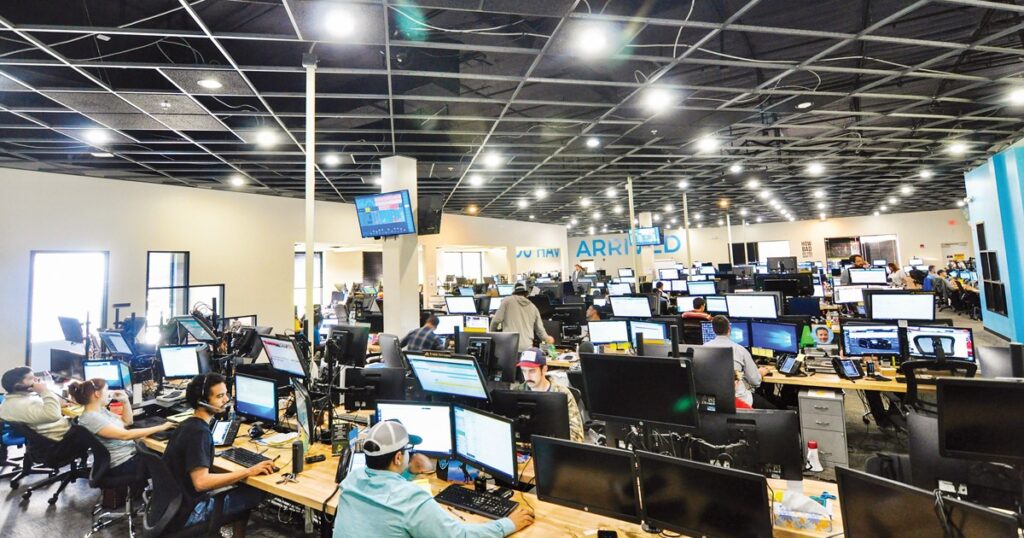
Abu Dhabi-based Mubadala Capital has acquired a majority stake in Austin, Texas-based Arrive Logistics, with the deal expected to close in the fourth quarter of 2026. Mubadala Capital, managing over $600 billion in assets, will become Arrive’s largest shareholder. Arrive currently handles more than 8,000 daily loads and ranks No. 7 among freight brokerages and No. 26 on Transport Topics’ Top 100 logistics companies in North America. Under the new ownership, Arrive aims to double its daily load volume to 16,000, expand its trailer pool, relaunch its Arrive Fresh perishables division — which serves over 3,000 cold-chain carriers — and build a dedicated sales team for small and medium-sized businesses.

Port of Los Angeles locks in ONE terminal for 30 more years
AI & Automation

Port of Los Angeles locks in ONE terminal for 30 more years

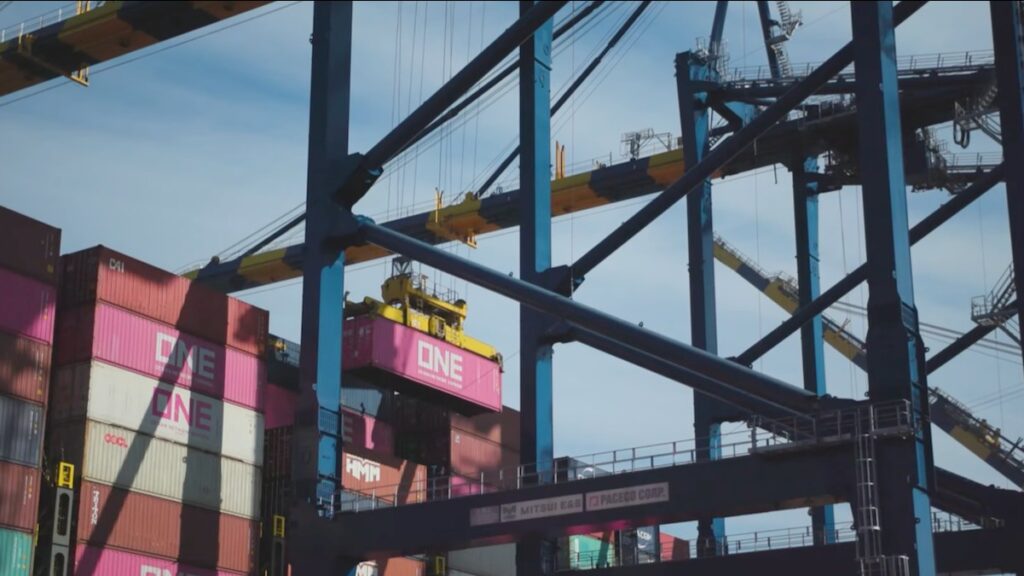
The Port of Los Angeles has renewed its lease with Ocean Network Express (ONE) for Pier T on Terminal Island for 30 more years, effective after the current agreement expires in 2027. The deal secures ONE’s exclusive use of the terminal, supports over 1,200 jobs, and contributes $140 million annually to the regional economy. Pier T serves as ONE’s primary U.S. West Coast hub since 2017, and the agreement includes investments in electrification and digital infrastructure aligned with the port’s Clean Air Action Plan (2035 target) and Digital Port Initiative. Gene Seroka, Port Executive Director, called the pact vital for supply chain reliability.

Welcome Back!

Login to your account below

Create New Account!

Fill the forms below to register

Retrieve your password

Please enter your username or email address to reset your password.

Scan to share via WeChat

Open WeChat and scan the QR code to share

QR Code

Add New Playlist