According to CNBC, former U.S. President Donald Trump announced plans to impose a 50% tariff on all cars, trucks, automotive parts, and steel imported from Canada, effective Jan. 1, 2027. The move follows the collapse of U.S.-Canada trade negotiations on Friday night and escalates tensions amid mutual accusations of trade discrimination.
Tariff Escalation and Retaliation
The proposed 50% duty would double the current top-line U.S. tariff rate of 25% on Canadian auto imports. U.S. tariffs on Canadian steel are already at 50%. On Saturday, the U.S. imposed 50% tariffs on approximately $20 billion worth of Canadian goods—including wine, cement, and hockey sticks—as retaliation for alleged Canadian trade barriers against U.S. cars, alcohol, and dairy products.
The new duties were designed to take effect only if a bilateral trade deal failed; Canadian negotiators left Washington empty-handed late Friday. U.S. Trade Representative Jamieson Greer told CNBC’s Squawk Box:
“In the last hours, I think there were things that the Canadians just — you know, they wanted more,”
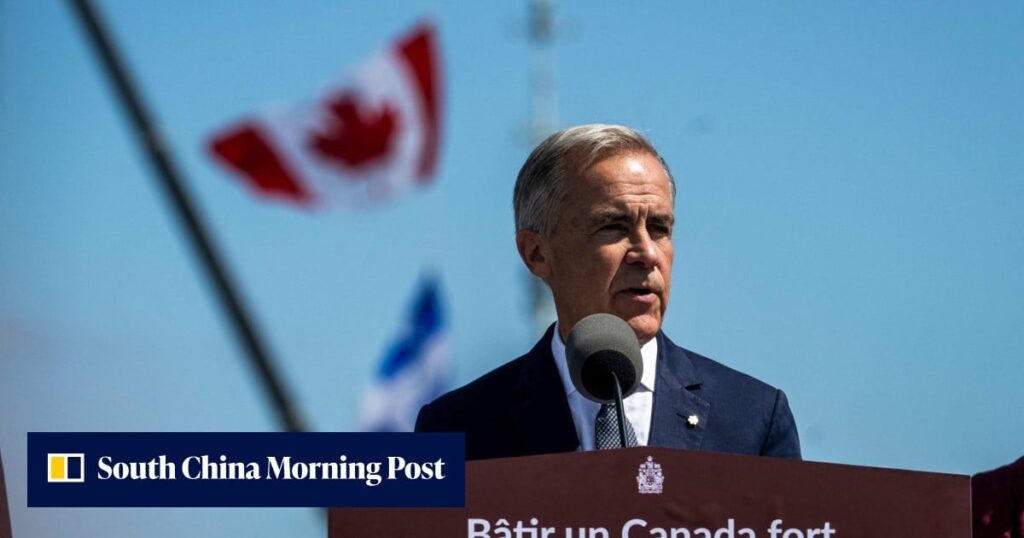
Canadian Prime Minister Mark Carney has vowed to retaliate
“dollar for dollar”
against the new U.S. tariffs, while Trump declared Canada
“will be treated like a State no longer!”
Economic Scale and Production Shifts
The Canadian auto market remains comparatively small: fewer than 2 million new vehicles were sold there in 2025, versus more than 16 million in the U.S. Vehicles produced in Canada accounted for just 5.4%, or 861,000, of total U.S. vehicle sales last year, according to GlobalData.
Production dynamics have shifted significantly. Japanese automakers Toyota and Honda represented 76.5% of Canada’s vehicle output in 2025. Each company produced more vehicles in Canada than Ford, General Motors, and Stellantis combined—a fact cited by a leading trade organization representing non-Detroit automakers.
Trump accused Canada of long-standing unfair practices, writing on Truth Social:
“Canada has been ripping off the United States of America for years,”
and adding:
“They do 95% of their business with the U.S., with us, the exact opposite!”
Supply Chain Vulnerabilities
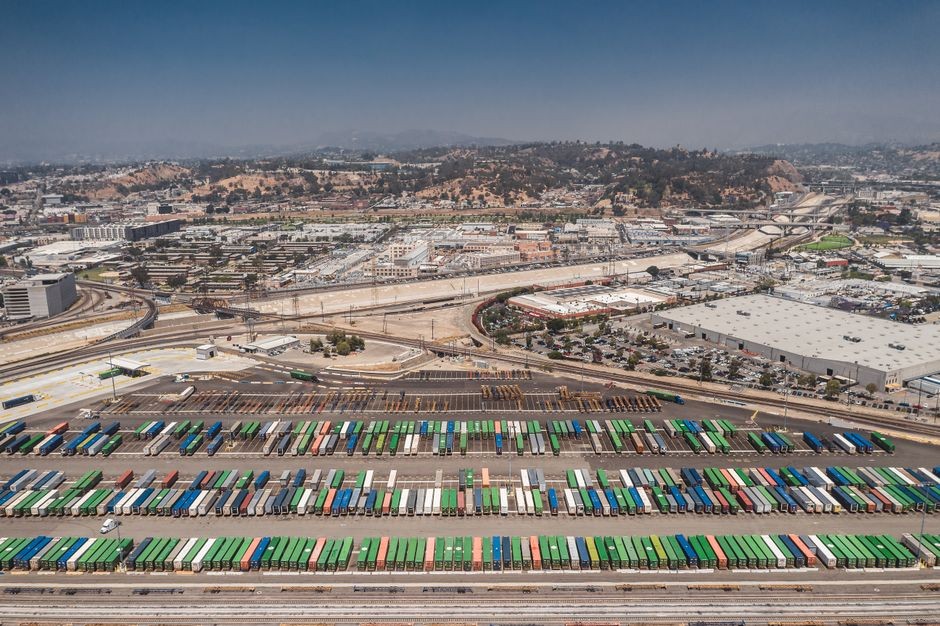
Trump’s tariff threats introduce major uncertainty for automakers whose cross-border supply chains rely on seamless integration. Automotive parts frequently cross the U.S.-Canada border multiple times in different forms before final assembly—potentially triggering repeated tariff assessments under the new policy.
Ontario Premier Doug Ford threatened countermeasures including cutting off U.S. access to electricity and critical minerals. In response, Trump labeled Ford a
“Flunky”
of Prime Minister Carney and warned:
“Someone should get these clowns to ‘fall in line’ or, the consequences for Canada will be far WORSE!”
Ford later called Trump a
“bully”
and a
“dictator.”
Trump dismissed Canada as
“among the worst Nations in the World to deal with”
on trade and other matters.
Source: CNBC
Compiled from international media by the SCI.AI editorial team.