Skip to content

North America Supply Chain

Canada imposes up to 50% tariffs on $19.94B of US goods

Canada has imposed retaliatory tariffs of up to 50% on US$19.94 billion of U.S. goods, effective September 8. The duties target over 700 product categories—including steel, aluminium, appliances, cheese, and electronics—with rates set at 15%, 25%, or 50%. Existing tariffs on some U.S. steel and aluminium products double from 25% to 50%, matching U.S. rates. Vehicle tariffs remain at 25%. Finance Minister Francois-Philippe Champagne affirmed the measures are "dollar for dollar, rate for rate" and aimed at defending Canadian workers—not generating revenue.

Original source: Source information pending

Canada imposes up to 50% tariffs on $19.94B of US goods

According to www.scmp.com, Canada has announced retaliatory tariffs of up to 50 per cent on US$19.94 billion (C$27.6 billion) of American goods, effective September 8.

Retaliation Targets Over 700 Product Categories

The Canadian government confirmed the new duties will apply to more than 700 categories of U.S. imports at tiered rates of 15 per cent, 25 per cent, or 50 per cent. Products singled out include steel, aluminium, agricultural equipment, household appliances, clothing, cheese, seafood, cosmetics, and electronics.

Existing Canadian tariffs on certain U.S. steel and aluminium products will double from 25 per cent to 50 per cent, aligning precisely with the rates imposed by the Trump administration. Counter-tariffs on American-made vehicles remain fixed at 25 per cent.

This escalation follows the collapse of bilateral negotiations just days earlier and comes in direct response to sweeping new U.S. duties on Canadian exports. The measures are not intended to raise revenue but to protect domestic economic interests amid intensifying trade friction.

“Dollar for Dollar, Rate for Rate” Defense Strategy

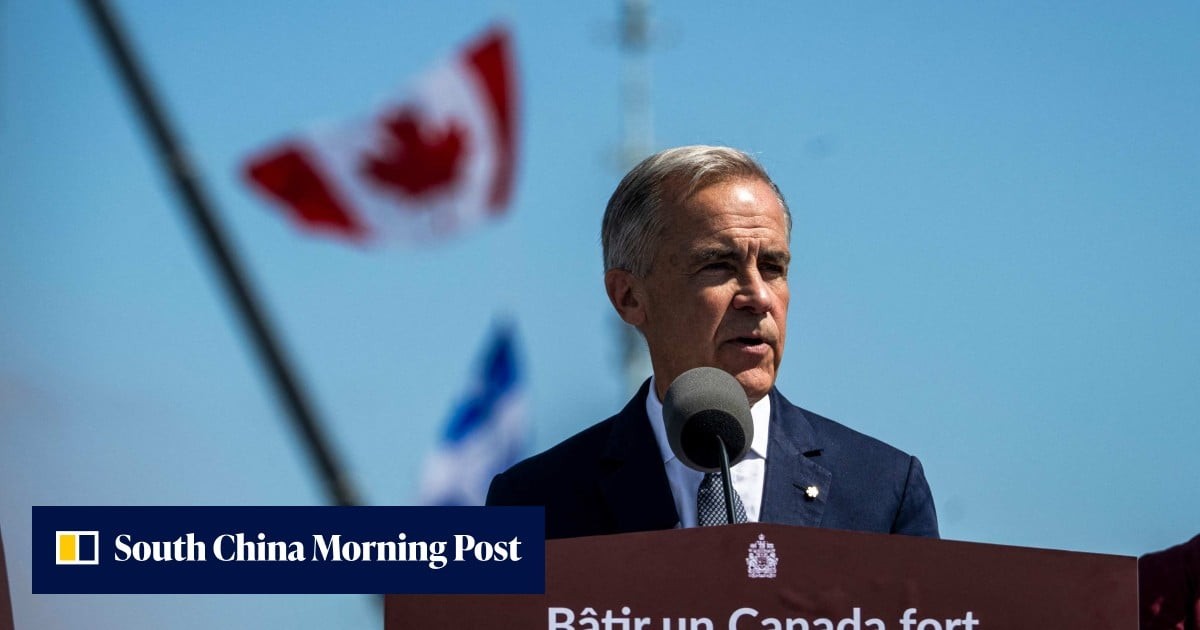
Finance Minister Francois-Philippe Champagne stated the response was calibrated to match U.S. actions “dollar for dollar, rate for rate” and emphasized its defensive purpose: safeguarding Canadian workers and businesses.

“We did not choose this conflict, but when our economic integration is used as a weapon rather than the foundation for a win-win partnership, we need to stand up,” Champagne said.

The minister underscored that the tariffs reflect a measured, proportional reaction—not an expansion of hostilities—and are rooted in protecting the integrity of Canada’s trade relationship with the United States, which remains its largest trading partner.

Source: South China Morning Post

Compiled from international media by the SCI.AI editorial team.
Ask SCI.AI Finished reading? Continue with SCI.AI. Explore the related policy, route, company and historical context. Continue asking
B&G Foods’ Green Giant Canada sale blocked by regulator
North America Supply Chain

B&G Foods’ Green Giant Canada sale blocked by regulator

Canada’s Competition Bureau has moved to block B&G Foods’ sale of its Green Giant and Le Sueur brands in Canada to Nortera Foods, warning the deal would harm competition in an already concentrated market. The regulator cited risks of higher prices and fewer choices for consumers. B&G announced the deal last October with an expected close in the second quarter of 2026. It previously sold U.S. Green Giant shelf-stable assets to Seneca Foods in November 2023 and Le Sueur U.S. shelf-stable assets to McCall Farms in August 2025. Robert Mills was named CEO last week, replacing Casey Keller, who had led the company since June 2021.

Mexico weighs steel, auto tariffs on China amid USMCA talks
North America Supply Chain

Mexico weighs steel, auto tariffs on China amid USMCA talks

Mexico is assessing new anti-dumping duties on Chinese steel and vehicles amid USMCA renewal talks and weak domestic investment. Though no formal proposal exists, the economy ministry confirms ongoing consultations and case-by-case dumping investigations. Steel imports from China account for over 65% of Mexico’s total steel imports, and vehicle production reached 2.1 million units in 2023. The USMCA review period begins in 2026, and FDI fell 7.3% year-on-year in 2023. Supply chain teams face heightened uncertainty requiring agile cost modeling and customs intelligence.

Dachser acquires 10% stake in Synergie Canada to expand airfreight
North America Supply Chain

Dachser acquires 10% stake in Synergie Canada to expand airfreight

German logistics firm Dachser has acquired a 10% minority stake in Synergie Canada, a Montreal-based air and sea freight forwarder founded in 2008. The investment strengthens Dachser’s North American presence and supports expansion beyond Europe. Synergie Canada generated €60 million in revenue in 2025 and employs around 100 people. CEO Tobias Burger called Canada 'a highly attractive market' due to its economic links across the Americas and Europe. President Marc-André Guindon noted the partnership will improve customer access to European markets. The deal follows similar moves by Atlas Air Worldwide and Air Charter Service in 2026.

Welcome Back!

Login to your account below

Create New Account!

Fill the forms below to register

Retrieve your password

Please enter your username or email address to reset your password.

Scan to share via WeChat

Open WeChat and scan the QR code to share

QR Code

Add New Playlist