According to www.scmp.com, China’s imports from Africa soared by 21.1 per cent year on year in May and 40.2 per cent in June — significantly outpacing overall Chinese import growth during the same period.
Critical minerals drive early gains
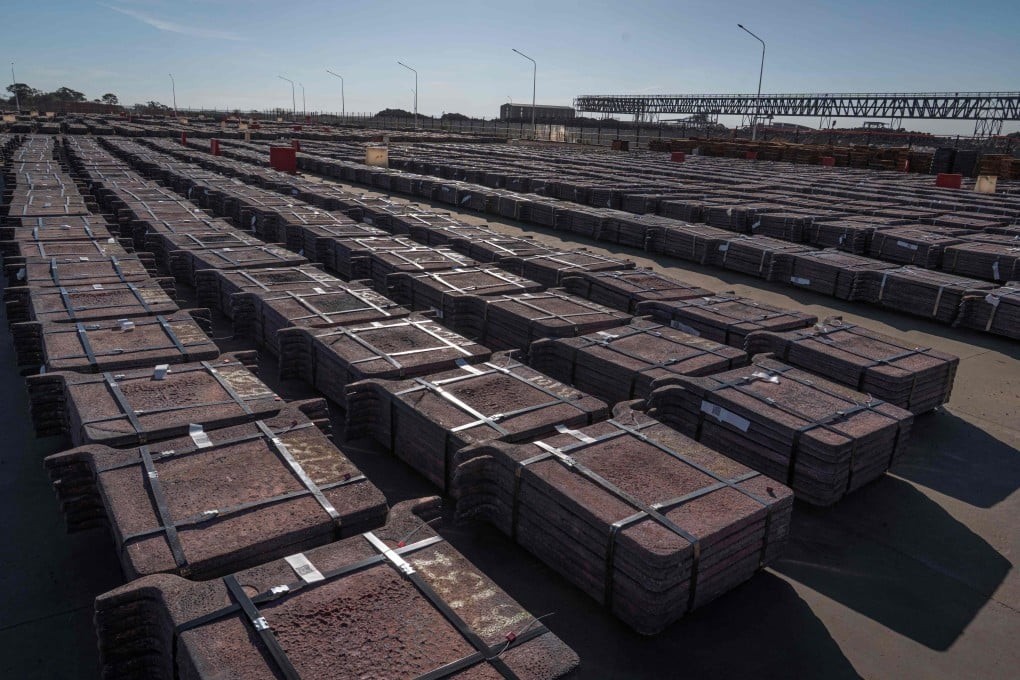
The surge follows Beijing’s expansion of its zero-tariff policy across the African continent in May 2026, a move aimed at deepening trade ties under the Forum on China–Africa Cooperation (FOCAC) framework. Demand for raw materials essential to China’s clean energy and AI infrastructure build-out is accelerating import volumes. Unwrought copper imports from Africa jumped by more than 110 per cent year-on-year in May, reaching US$1.65 billion. Strategic mineral purchases also rose sharply: platinum and spodumene — key inputs for lithium-ion batteries and hydrogen fuel cells — saw substantial increases. Rhodium powder imports surged nearly fivefold in May to exceed US$125 million, according to Chinese customs data.
Crude oil remains top import category
Crude oil imports from Africa climbed 21 per cent in May to US$3.11 billion, making it China’s largest single import category from the region. This growth coincided with sustained disruption to global oil flows through the Strait of Hormuz, exacerbated by the ongoing US-Israel military campaign against Iran — a geopolitical stressor that has redirected procurement toward more stable suppliers, including African producers.
New sectors emerge under tariff-free access
Beyond traditional resource trade, the zero-tariff scheme is catalyzing diversification. Agricultural exports — long hindered by non-tariff barriers and logistical bottlenecks — are gaining traction. Customs records show increased shipments of sesame seeds, shea nuts, and processed cassava from countries including Ethiopia, Nigeria, and Côte d’Ivoire. While specific volume figures for these categories were not disclosed in the source, officials from the Ministry of Commerce of the People’s Republic of China confirmed that over 30 new African agricultural products gained market access in China between March and June 2026 following phytosanitary protocol approvals.
Policy context and implementation scope
The expanded zero-tariff policy now covers 98 per cent of tariff lines for goods originating from 33 eligible African least-developed countries (LDCs), up from 97 per cent previously. Eligibility is tied to the World Trade Organization’s LDC classification and requires compliance with rules of origin certification. The policy took full effect on 1 May 2026, with customs authorities reporting a 37 per cent increase in tariff exemption applications submitted by African exporters in the first 30 days — indicating rapid uptake among small- and medium-sized enterprises.
Source: South China Morning Post
Compiled from international media by the SCI.AI editorial team.