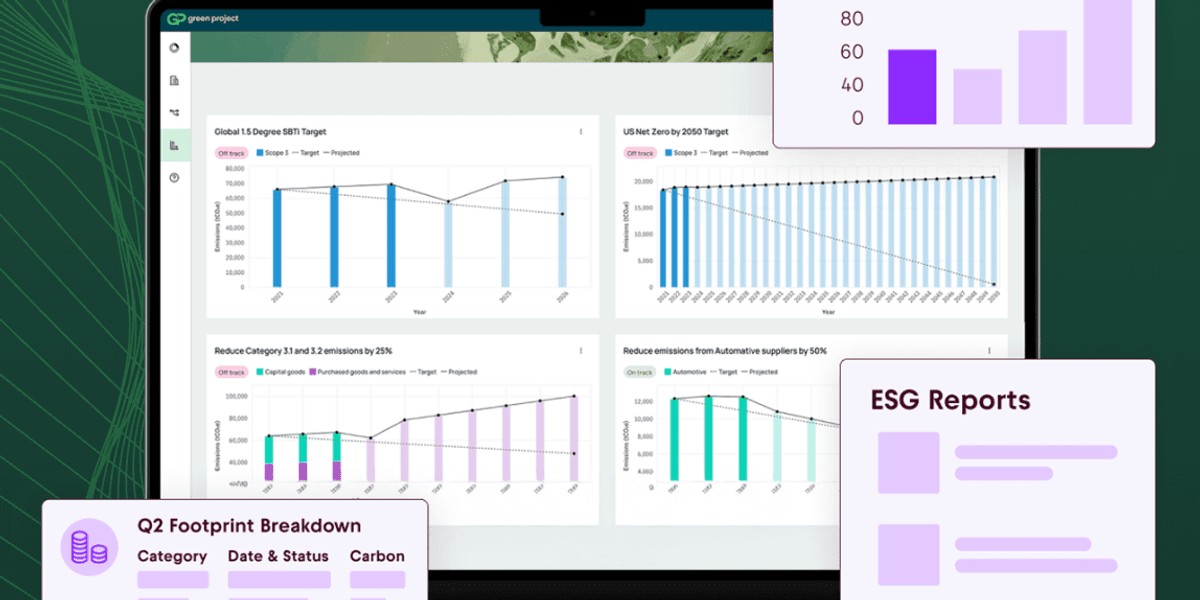
According to www.thescxchange.com, Green Project Technologies, a New York-based supply chain decarbonization firm, has acquired Optera, a Colorado-based enterprise carbon accounting and reporting software provider, on July 15, 2026.
Strategic consolidation amid tightening regulatory deadlines
The acquisition forms the foundation of a new AI-powered climate management platform, integrating Optera’s decade-long expertise in enterprise carbon management with Green Project’s established supply chain engagement infrastructure and renewable energy procurement capabilities. The deal follows Green Project’s prior acquisitions: Emitwise in 2025 and Zeroute in June 2026 — both aimed at expanding its decarbonization stack. Green Project operates as a unit of ACT Group, a Dutch environmental disclosure and regulatory solutions provider headquartered in the Netherlands.
This consolidation occurs against a backdrop of rapidly escalating regulatory enforcement. According to the report, California’s SB 253 (the Climate Corporate Data Accountability Act), the European Union’s Corporate Sustainability Reporting Directive (CSRD), and the EU’s Carbon Border Adjustment Mechanism (CBAM) are transforming voluntary sustainability disclosures into legally binding obligations across North America and Europe — with similar requirements gaining traction globally.
Scope 3 emissions remain the critical bottleneck
Scope 3 emissions — those generated across upstream and downstream value chains — represent the largest source of disclosure burden, supplier risk, and procurement cost exposure for enterprises. The source states that Scope 3 is also the most technically challenging component for companies to quantify and mitigate, especially given fragmented supplier data, inconsistent methodologies, and limited engagement tools.
“For years, the sustainability industry has focused on measurement. Companies can calculate emissions, produce disclosures, and set targets, yet many still don’t know how to close the gap,” said Sam Stark, CEO and Founder of Green Project.
“Together with Optera, and backed by ACT Group’s global infrastructure, this is the platform that closes it: one place that meets enterprises and every one of their suppliers where they are and moves them from measurement to action.”
Technology integration and ecosystem partnerships
The combined platform will enable end-to-end carbon data ingestion, supplier engagement workflows, science-based target validation, and renewable energy procurement orchestration — all within a single interface. Green Project has also built strategic technology partnerships with Giki, FlexiDAO, and HowGood to enhance data interoperability across ESG databases, energy attribute certificates (EACs), and product-level sustainability intelligence.
According to the source, the integration leverages Optera’s existing client base — which includes Fortune 500 manufacturers and consumer goods firms — and extends Green Project’s reach into Tier 2 and Tier 3 supplier networks across North America and the EU. The firms did not disclose financial terms of the acquisition, but confirmed that the transaction closed in mid-July 2026.
Industry context and practitioner implications
This move reflects a broader industry shift: supply chain professionals increasingly require integrated tools that bridge measurement, verification, and action — not just compliance dashboards. Unlike standalone carbon calculators, the unified platform enables procurement teams to trigger real-time supplier engagement campaigns, validate emission reductions via auditable energy procurement records, and align Scope 3 progress with internal cost-of-carbon budgets.
The timing coincides with heightened pressure from investors and regulators. For example, CSRD requires large EU companies and listed SMEs to publish first sustainability reports under the new standards by 2025 (for fiscal year 2024), while CBAM’s transitional reporting phase began in October 2023 and full implementation starts in 2026. Meanwhile, CA SB 253 mandates public disclosure of Scope 1, 2, and 3 emissions for covered entities beginning in 2026, with enforcement ramping up through 2027.
Source: thescxchange.com
Compiled from international media by the SCI.AI editorial team.