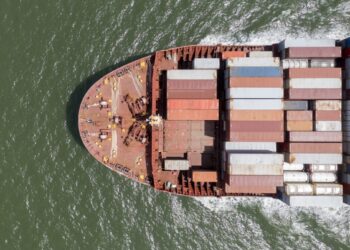
South Africa Launches Continental Green Freight Initiative
According to the source, South Africa has emerged as the leading African nation in advancing sustainable freight transport, launching a continent-wide initiative aimed at reducing carbon emissions in the logistics sector. The initiative, supported by regional governments and international partners, targets a 30% reduction in freight-related CO₂ emissions by 2030 across 15 African countries, with South Africa serving as the central coordinating hub. The country’s rail network, managed by Transnet Freight Rail, is being upgraded with electric traction systems and digital logistics platforms to improve efficiency and reduce emissions.
South Africa’s freight sector currently accounts for 12% of the nation’s total greenhouse gas emissions, according to the Department of Transport. The new green freight strategy includes the deployment of 1,200 electric locomotives by 2030, replacing diesel-powered units. This transition is expected to cut fuel consumption by 40% and reduce annual CO₂ emissions by approximately 18 million tons by 2035.
France Invests €4.2 Billion in Rail and Green Logistics Modernization
France has committed €4.2 billion to modernize its national rail freight infrastructure and develop green logistics corridors, the source states. The funding, announced in early 2024, will support the electrification of 2,300 kilometers of mainline rail routes, including key freight corridors linking Paris to Lyon, Marseille, and the northern ports. This project is part of France’s broader National Low-Carbon Strategy, which requires a 55% reduction in transport emissions by 2030.
The investment includes the construction of 15 new intermodal hubs and the deployment of 600 hydrogen-powered freight trains by 2030. According to the French Ministry of Ecological Transition, this upgrade is expected to shift 18 million tons of freight currently transported by road to rail annually by 2030, reducing road congestion and cutting 3.2 million tons of CO₂ emissions yearly.
"This is not just about cleaner transport—it’s about building a resilient, low-emission supply chain for Europe’s future." — Jean-Louis Bénédicte, Director of Sustainable Infrastructure, French Ministry of Ecological Transition
- €4.2 billion allocated for French rail modernization (2024–2030)
- 2,300 kilometers of rail to be electrified
- 15 new intermodal hubs planned
- 600 hydrogen-powered freight trains to be deployed by 2030
- 18 million tons of freight to be shifted from road to rail annually by 2030
Sustainable Transport Trends in Africa and Europe
South Africa’s leadership in green freight aligns with the African Continental Free Trade Area (AfCFTA)’s emphasis on sustainable infrastructure. Under AfCFTA, 32 of the 55 African nations have pledged to upgrade cross-border logistics networks by 2027, with green transport as a key component. The source notes that South Africa has already signed bilateral agreements with Kenya, Nigeria, and Ethiopia to establish green freight corridors along the Southern African Development Community (SADC) railway network.
Meanwhile, France’s investment reflects a broader European trend. The European Union’s Green Deal Transport Strategy mandates that 50% of freight transport must shift to low-emission modes by 2030. Germany, the Netherlands, and Belgium have similarly announced rail modernization projects, with Germany investing €3.8 billion in its Intermodal Freight Corridors initiative.
According to the International Transport Forum (ITF), the global freight sector is responsible for 7% of total CO₂ emissions. The ITF estimates that shifting 20% of long-haul freight from road to rail could reduce emissions by 1.2 billion tons annually by 2050.
Practitioner Implications for Supply Chain Management
For logistics professionals, the South African and French initiatives signal a shift in infrastructure investment patterns. Companies operating in or between Europe and Africa must now factor in rail-based routing as a viable, low-emission alternative to road freight. According to Reuters, major logistics firms such as DHL and Maersk are already piloting rail-based cross-continental routes using South African corridors.
Additionally, supply chain visibility platforms are being enhanced to track carbon intensity per freight movement. The French government’s new digital logistics portal, launched in March 2024, provides real-time data on emissions for every rail freight shipment, enabling companies to meet ESG compliance requirements under the EU’s Carbon Border Adjustment Mechanism (CBAM).
For African operators, access to green financing and technology transfer from Europe is increasing. The European Investment Bank (EIB) has committed €800 million in green transport loans to African nations by 2027, with priority given to projects that promote rail-based freight and decarbonization.
Source: www.travelandtourworld.com
Compiled from international media by the SCI.AI editorial team.