Rising Input Costs Hit Textile Manufacturing Efficiency
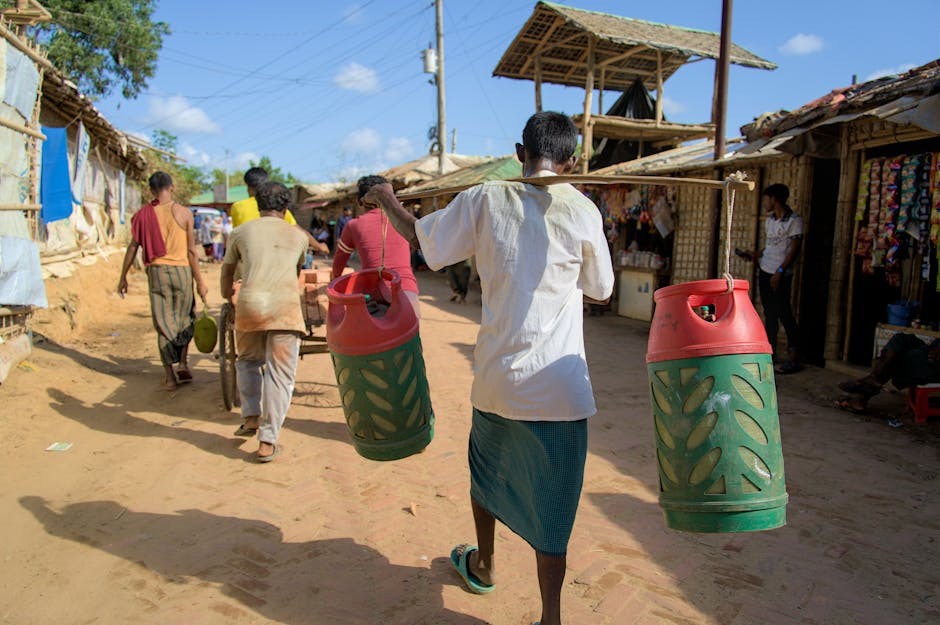
According to apparelresources.com, escalating fuel and liquefied petroleum gas (LPG) prices are significantly impacting production efficiency across India’s key textile manufacturing hubs. A recent report reveals that LPG costs have increased by 42% since Q1 2025, while diesel prices have risen by 38% over the same period. These increases directly affect thermal processing, drying, and weaving operations that rely heavily on gas-based energy sources.
“The cost of energy now accounts for nearly 28% of total production expenses in our facilities, up from 19% in early 2024.” — Rana Das, Mallcom India
Impact on Export Competitiveness and Lead Times
Textile exporters in India’s major clusters—such as Surat, Tiruppur, and Coimbatore—are facing shrinking profit margins. The surge in energy costs has forced some factories to reduce daily operating hours by 15–20% to manage expenses. This reduction has led to an average increase in order lead times by 12 days for export-bound apparel, according to a survey conducted by the Apparel Export Promotion Council (AEPC) in October 2025.
- Surat-based manufacturers report a 22% rise in operational costs since July 2025
- Coimbatore factories have seen a 17% decline in monthly production volume due to energy constraints
- Export order cancellations have risen by 11% in Q3 2025 compared to Q2
Industry Response and Adaptation Strategies
Some manufacturers are adopting short-term mitigation measures, including switching to lower-cost coal alternatives in non-critical processes and renegotiating delivery timelines with international buyers. The Indian government has announced a 15% subsidy on industrial LPG for textile units, effective from November 1, 2025, but industry leaders caution that this will only offset part of the burden.
“We are exploring solar thermal integration for pre-treatment processes, but the upfront investment remains a barrier for SMEs.” — Venkatesh Gopalan, Indorama Corporation
Long-Term Supply Chain Reconfiguration
Analysts predict that sustained high energy prices may accelerate the shift toward nearshoring and regional sourcing models. With India aiming to achieve a $350 billion textiles sector by 2030 and full carbon neutrality, the current energy crisis poses a challenge to these targets. The government’s 2025 budget allocated ₹48 billion (approximately $575 million) to support clean energy adoption in MSMEs, including textile units, through tax incentives and technology grants.
Source: apparelresources.com
Compiled from international media by the SCI.AI editorial team.