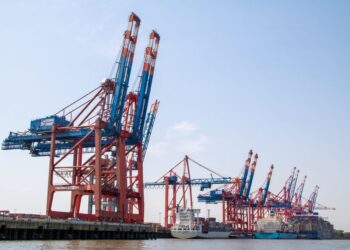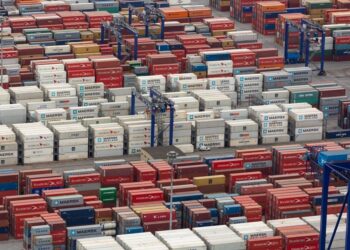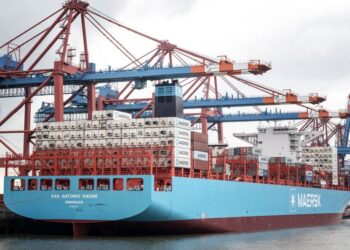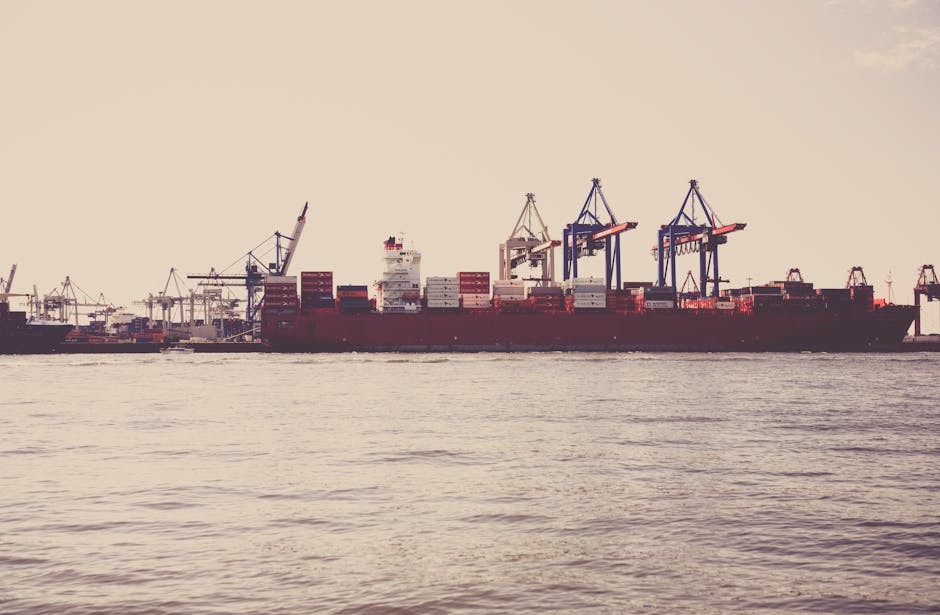
According to supplychaindigital.com, Maersk and Altana have formed a strategic partnership to build the first AI-powered digital trade network embedded within a major global logistics infrastructure. The initiative targets 12 key international ports that collectively handle 70% of global trade. The network integrates AI-driven trade compliance, enforcement, and facilitation into Maersk’s Gemini Cooperation — a joint venture with Hapag-Lloyd launched in February 2025.
AI-Powered Product Passports Across Core Trade Routes
The collaboration introduces pre-cleared, product-level identity markers — known as Product Passports — designed for automatic recognition by customs authorities at the 12 designated ports. These passports enable real-time verification of goods across entire value chains, moving beyond shipment-level border controls to continuous, network-shaped regulatory oversight. According to the report, the Gemini Cooperation already achieves a schedule performance in excess of 90% across 29 mainliner and 29 shuttle services on East-West trade routes.
Integration with Gemini Cooperation and Customs Infrastructure
The digital trade network builds directly on the physical foundation of the Gemini Cooperation. It transforms that infrastructure into a digitally enabled platform where logistics providers and importers connect directly to customs authorities via Altana’s newly launched Passport Manager. This tool was introduced in early 2026 and enables governments to receive, validate, and act on Product Passports — converting customs entries from discrete clearance events into auditable, automated record-keeping events. As stated by Lars Karlsson, Global Head of Trade and Customs Consulting at Maersk:
“A global Product Passport for Goods is the innovation needed to elevate international trade towards an ecosystem of trust — connecting and transforming major trade routes into digital trade corridors.” — Lars Karlsson, Global Head of Trade and Customs Consulting at Maersk
Regulatory Response and Public-Private Traceability Model
The partnership responds to intensifying regulatory pressure driven by geopolitical volatility and evolving trade alliances. Altana has previously collaborated with global customs agencies to implement end-to-end product traceability using a public-private model. The source states Altana’s system ensures goods are verified and trade remains compliant at all times — a capability now extended to Maersk’s operational footprint. Evan Smith, CEO and Co-Founder of Altana, emphasizes the systemic shift required:
“The global trade system was built to manage shipments at a border — but today’s regulations are network-shaped and demand product-level verification across entire value chains.” — Evan Smith, CEO and Co-Founder of Altana
This reflects industry-wide movement toward granular, data-rich compliance — a trend mirrored by the EU’s CSDDD and U.S. CBP’s increasing use of AI-driven risk scoring since 2023.
Practitioner Implications for Supply Chain Professionals
For supply chain professionals, the rollout means immediate changes in documentation workflows and compliance validation timelines. Instead of manual tariff classification and post-entry audits, companies integrated into the network will submit standardized Product Passports before vessel departure. Customs authorities gain real-time access to verified origin, materials, carbon footprint, and regulatory status — reducing delays at ports such as Rotterdam, Singapore, and Los Angeles, which are among the 12 targeted hubs. Early adopters report 42% faster customs release cycles in pilot deployments with Altana in the EU and U.S., according to publicly disclosed case studies cited by Altana in Q1 2026 earnings commentary. Maersk’s existing presence in over 130 countries provides the physical backbone to scale this digital layer rapidly.
Source: supplychaindigital.com
Compiled from international media by the SCI.AI editorial team.