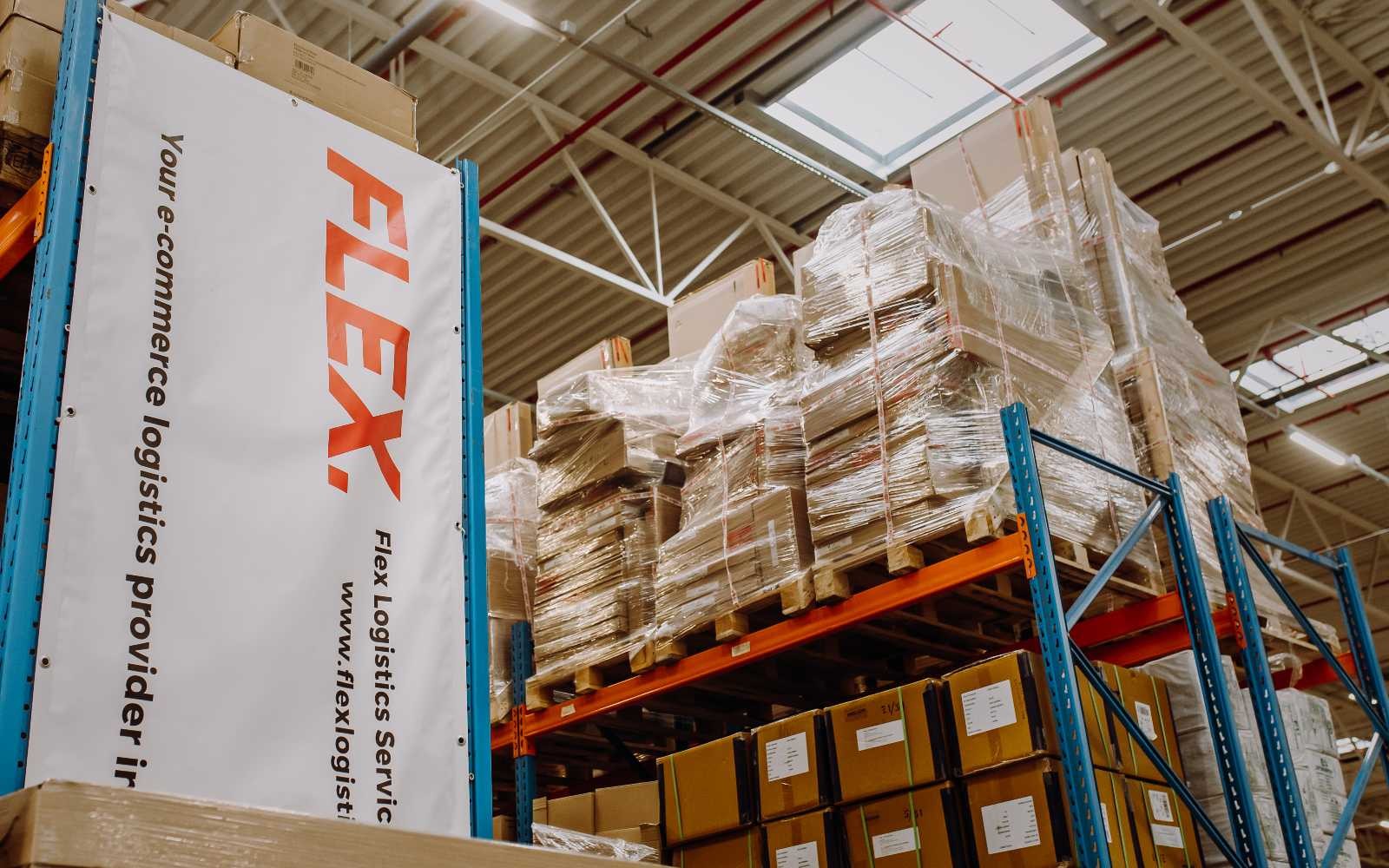
According to flexlogistics.eu, the EU customs reform landscape entering 2026 constitutes a structural shift—not a regulatory footnote—in how goods move across European borders, how documentation is validated, and how supply chain partners interact with customs authorities in real time.
Converging Regulatory Mechanisms Driving Change
The Entry/Exit System (EES), the EU Customs Authority under the Union Customs Code revision, the phased elimination of the €150 de minimis threshold, and the ViDA (VAT in the Digital Age) initiative are not isolated policy events. They are converging changes that collectively rewrite the operating environment for any business sourcing, storing, or distributing physical goods across EU member states or between the EU and third countries.
1. Reclassify Product Catalogues Against Updated HS Codes
The 2022 HS nomenclature update—now fully reflected in the EU Combined Nomenclature—introduced classification changes affecting thousands of product categories. For e-commerce operators who classified their catalogues once at product launch and have not audited classifications since, risks include incorrect duty rates and customs valuation disputes triggering delays and penalties. A classification error of two to three percentage points on duty rate, applied across 10,000 units per quarter, represents a material financial variance for high-volume importers entering Germany or the Netherlands. FLEX. Logistics includes classification review as part of its EU customs clearance onboarding process.
2. Restructure Incoterm Agreements Post-De-Minimis
The phased elimination of the €150 de minimis threshold means every parcel from third countries—including those shipped directly from the UK, China, or the US—is now subject to customs duty assessment. Under DDP (Delivered Duty Paid), the seller bears all import costs including duty, VAT, and customs clearance fees. In contrast, DAP (Delivered at Place) shifts import cost liability to the buyer—a model that creates poor consumer experience post-reform, as parcels arrive with unexpected charges leading to refusals.
3. Prioritise AEO-Certified 3PL Partners
A seller relying on a third-party logistics provider without AEO (Authorised Economic Operator) certification faces heightened operational risk. AEO status enables faster customs processing, reduced inspections, and eligibility for simplified procedures under the revised Union Customs Code. FLEX. Logistics operates as an EU customs clearance partner for importers, with system integrations designed for EES pre-arrival data submission requirements effective from 3 May 2026.
4. Recalibrate Lead Times for Pre-Arrival Processes
The Entry/Exit System mandates submission of entry summary declarations before vessel or aircraft arrival. For ocean freight, this requires declaration up to 24 hours prior to loading; for air cargo, up to 4 hours before departure. These timelines force recalibration of procurement, warehouse dispatch, and carrier handoff schedules. The 5 May 2026 deadline for full EES implementation applies to all carriers and logistics providers moving goods into the EU.
5. Audit IOSS and VAT Registration Across Member States
Under ViDA, non-EU sellers must use the Import One-Stop Shop (IOSS) for VAT collection on B2C sales under €150—but with de minimis elimination, IOSS now covers all cross-border B2C shipments, regardless of value. Sellers holding inventory in Poland or Germany must also maintain valid VAT registrations in each member state where they store goods, as intra-EU movements trigger distance-selling thresholds (e.g., €10,000 annual threshold in Germany).
- Top 7 Supply Chain Adjustments Required by EU Customs Reform — DONE
- EU Customs Handoff: Why Import Release Does Not Mean Fulfillment Readiness — published 3 May 2026
- Top 5 Cross-Border Logistics Changes Coming to the EU Market — published 5 May 2026
The most common planning error among e-commerce operators is treating EU customs reform as a documentation compliance problem rather than a supply chain design problem. Documentation compliance—updated commercial invoices, accurate HS code classification, EORI registration, IOSS filings—is necessary but not sufficient. The deeper adjustments are structural: where inventory is held, how customs declarations are triggered, which 3PL partners have authorised operator statuses, and how lead times account for pre-arrival processes.
Source: flexlogistics.eu
Compiled from international media by the SCI.AI editorial team.