Explore

  • Trending
  • Latest
  • Tools
  • Browse
  • Subscription Feed

Logistics

  • Ocean
  • Air Cargo
  • Road & Rail
  • Warehousing
  • Last Mile

Regions

  • Southeast Asia
  • North America
  • Middle East
  • Europe
  • South Asia
  • Latin America
  • Africa
  • Japan & Korea
SCI.AI
  • Supply Chain
    • Strategy & Planning
    • Logistics & Transport
    • Manufacturing
    • Inventory & Fulfillment
  • Procurement
    • Strategic Sourcing
    • Supplier Management
    • Supply Chain Finance
  • Technology
    • AI & Automation
    • Robotics
    • Digital Platforms
  • Risk & Resilience
  • Sustainability
  • Research
  • English
    • Chinese
    • English
No Result
View All Result
  • Login
  • Register
SCI.AI
No Result
View All Result
Home Technology Digital Platforms

Logistics Tech Boom in SEA: $360B Market by 2034

2026/03/29
in Digital Platforms, Logistics & Transport, Supply Chain Finance
0 0
Logistics Tech Boom in SEA: $360B Market by 2034

According to techcollectivesea.com, the Southeast Asian logistics market was valued at US$223.6 billion in 2025 and is projected to reach US$360 billion by 2034.

E-commerce fuels demand for digital logistics

The sustained expansion of e-commerce remains a primary driver. Platforms including Shopee, Lazada, and TikTok Shop are accelerating demand for rapid fulfilment, reliable last-mile delivery, and seamless cross-border logistics coordination. This growth places constant pressure on logistics networks to manage higher volumes of smaller orders, process returns efficiently, and maintain speed across both rural and urban geographies. Manual coordination alone is insufficient — digital solutions for fleet management, warehouse automation, and route optimisation have become essential.

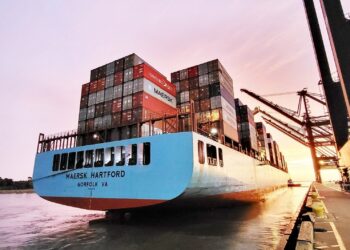
Supply chain industry image

Supply chain restructuring shifts freight flows

A second structural force is the global reconfiguration of supply chains. As companies diversify away from single-country sourcing, manufacturing footprints are expanding across Vietnam, Thailand, Indonesia, and Malaysia. These nations are emerging as key nodes in international manufacturing networks — increasing regional freight volume and complexity. Goods must now move efficiently between ports, factories, warehouses, and export markets, often across multiple national borders. In response, logistics operators are adopting digital tracking systems, predictive planning tools, and integrated freight platforms to manage trade flows and support multi-modal logistics coordination, customs documentation, and freight visibility.

Infrastructure investment meets digital coordination

Governments across Southeast Asia are accelerating investments in physical infrastructure — including ports, roads, rail networks, and logistics parks — to improve connectivity and reduce bottlenecks between industrial zones and metropolitan centres. However, as the source notes,

“Complete efficiency savings cannot be achieved by infrastructure improvements alone. For physical networks to operate at their best, digital coordination is necessary.”

Logistics technology platforms are thus becoming critical enablers of capacity utilisation, demand forecasting, and data-driven decision-making.

Fragmentation enables platform innovation

The region’s logistics ecosystem remains highly fragmented, with thousands of small operators, freight forwarders, and transport providers operating with limited digital integration. While this fragmentation creates inefficiencies, it also opens substantial opportunity for technology platforms that aggregate capacity, standardise processes, and enhance transparency. Digital marketplaces and software platforms are now connecting shippers, carriers, and warehouses into unified networks — reducing idle capacity, optimising delivery timelines, and lowering cross-border operational costs.

AI transforms logistics into intelligence infrastructure

Artificial intelligence is reshaping logistics operations across Southeast Asia. AI-driven systems analyse large datasets — including shipment records, traffic conditions, warehouse inventories, and weather trends — to improve route planning, inventory management, and demand forecasting. As stated in the article,

“Modern logistics systems are evolving beyond simple transportation to become supply chain intelligence infrastructure.”

This shift allows businesses to respond faster to disruptions, reduce inefficiencies, and improve customer service reliability — increasingly positioning AI capability as a key differentiator in the regional logistics ecosystem.

Source: techcollectivesea.com

Compiled from international media by the SCI.AI editorial team.
More on This Topic

  • Nearshoring Infrastructure Gap: LATAM Needs 3–5% GDP Annually (Mar 29, 2026)
  • Kinaxis Cuts Maestro Planning Time to 17 Minutes with NVIDIA AI (Mar 29, 2026)
  • IFS Acquires Softeon: Integrating 20+ Years of WMS into AI-Driven Supply Chain Execution (Mar 29, 2026)
  • Reshoring Talent Gap: 2026 Supply Chain Hiring Crisis (Mar 29, 2026)
  • Microsoft’s Supply Chain 2.0: 25 AI Agents Deployed (Mar 29, 2026)

Related Posts

Nearshoring Infrastructure Gap: LATAM Needs 3–5% GDP Annually
Geopolitics

Nearshoring Infrastructure Gap: LATAM Needs 3–5% GDP Annually

March 29, 2026
0
Kinaxis Cuts Maestro Planning Time to 17 Minutes with NVIDIA AI
Digital Platforms

Kinaxis Cuts Maestro Planning Time to 17 Minutes with NVIDIA AI

March 29, 2026
1
IFS Acquires Softeon: Integrating 20+ Years of WMS into AI-Driven Supply Chain Execution
Digital Platforms

IFS Acquires Softeon: Integrating 20+ Years of WMS into AI-Driven Supply Chain Execution

March 29, 2026
1
Reshoring Talent Gap: 2026 Supply Chain Hiring Crisis
Logistics & Transport

Reshoring Talent Gap: 2026 Supply Chain Hiring Crisis

March 29, 2026
4
Microsoft’s Supply Chain 2.0: 25 AI Agents Deployed
Digital Platforms

Microsoft’s Supply Chain 2.0: 25 AI Agents Deployed

March 29, 2026
1
Supply Chain 2.0: How Microsoft is Powering Simulations, AI Agents, and Physical AI
Digital Platforms

Supply Chain 2.0: How Microsoft is Powering Simulations, AI Agents, and Physical AI

March 29, 2026
3

Leave a Reply Cancel reply

Your email address will not be published. Required fields are marked *

Recommended

Nature-Dependent Supply Chains: Why Biodiversity Risk Is Reshaping Global Sourcing Strategy

Nature-Dependent Supply Chains: Why Biodiversity Risk Is Reshaping Global Sourcing Strategy

4 Views
March 19, 2026
Tariff Turbulence and the Structural Rewiring of Global Supply Chains in 2026

Tariff Turbulence and the Structural Rewiring of Global Supply Chains in 2026

14 Views
March 18, 2026
泰国物流行业吸引了近一半的八月份外商直接投资

Thai Logistics Sector Attracts Nearly Half of August’s FDI

13 Views
February 15, 2026
Tariffs Drive 79% Sourcing Shift Away from China in 2025

Tariffs Drive 79% Sourcing Shift Away from China in 2025

5 Views
March 28, 2026
Show More

SCI.AI

Global Supply Chain Intelligence. Delivering real-time news, analysis, and insights for supply chain professionals worldwide.

Categories

  • Supply Chain Management
  • Procurement
  • Technology


  • Risk & Resilience
  • Sustainability
  • Research

© 2026 SCI.AI. All rights reserved.

Powered by SCI.AI Intelligence Platform

Welcome Back!

Sign In with Facebook
Sign In with Google
Sign In with Linked In
OR

Login to your account below

Forgotten Password? Sign Up

Create New Account!

Sign Up with Facebook
Sign Up with Google
Sign Up with Linked In
OR

Fill the forms below to register

All fields are required. Log In

Retrieve your password

Please enter your username or email address to reset your password.

Log In

Add New Playlist

No Result
View All Result
  • Supply Chain
    • Strategy & Planning
    • Logistics & Transport
    • Manufacturing
    • Inventory & Fulfillment
  • Procurement
    • Strategic Sourcing
    • Supplier Management
    • Supply Chain Finance
  • Technology
    • AI & Automation
    • Robotics
    • Digital Platforms
  • Risk & Resilience
  • Sustainability
  • Research
  • English
    • Chinese
    • English
  • Login
  • Sign Up

© 2026 SCI.AI